Dead by Daylight: My Trapper Guide for 2026
Master the Dead by Daylight Trapper with this practical Trapper guide, featuring smart trap placement, chase tactics, and map control.
I’m just a regular Dead by Daylight player who has spent way too many nights in the Fog, and if there’s one killer I keep coming back to, it’s the Trapper. He’s the poster boy of Dead by Daylight, the hulking masked menace who looks like a discount Jason Voorhees but plays like a chess grandmaster with a bear trap fetish. In 2026, the game has more killers, perks, and maps than ever, but the Trapper still holds his own. He’s simple to learn, which makes him perfect for new players, yet in the right hands he can become an unstoppable killing machine. I’ve learned that the hard way—both as the Trapper and as the survivor who stepped in one of his traps. So here’s my personal guide, full of tips, tricks, and a few English idioms, to help you turn this simple character into a nightmare.
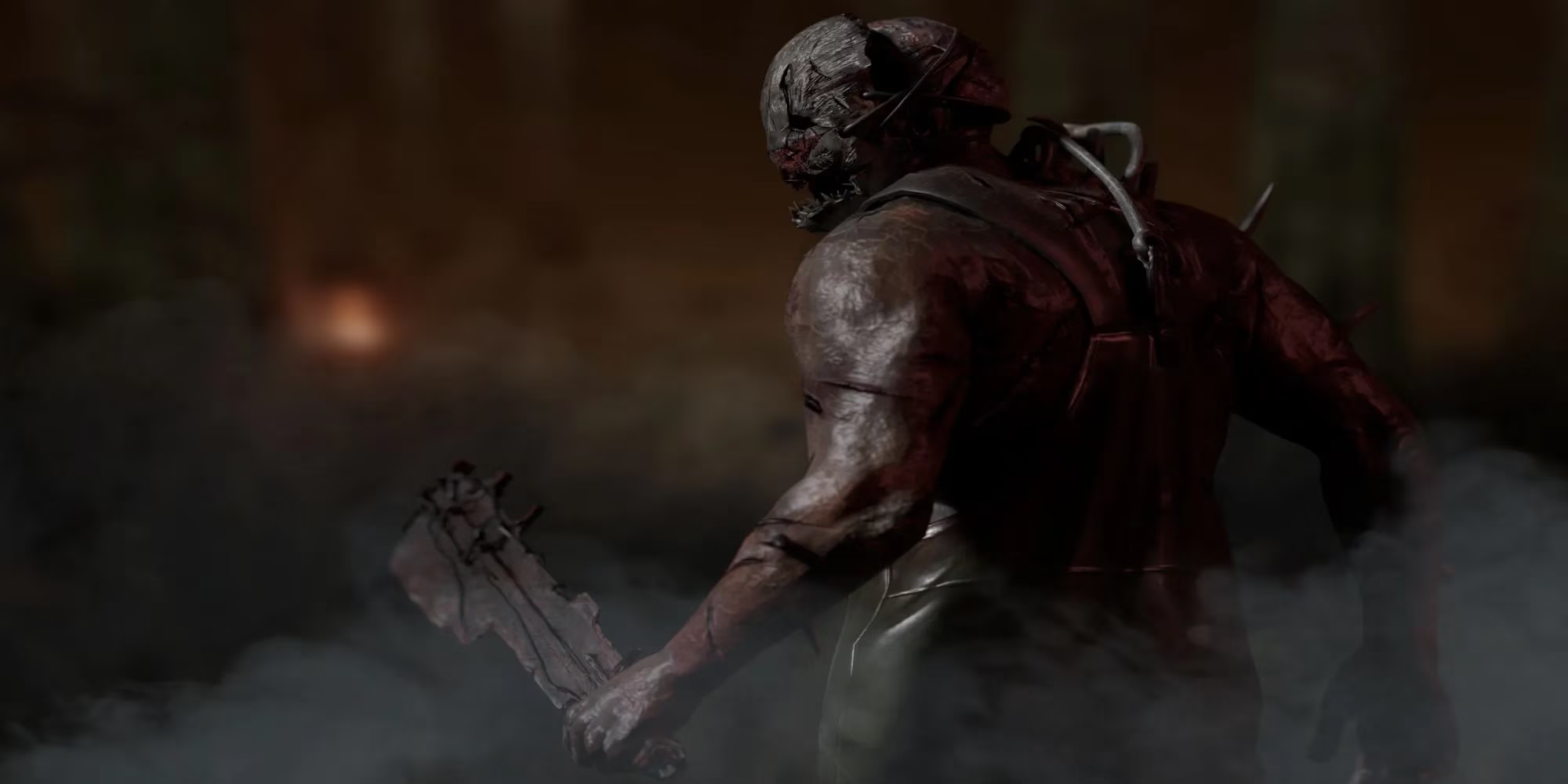
1. Practise Trap Positioning 🪤
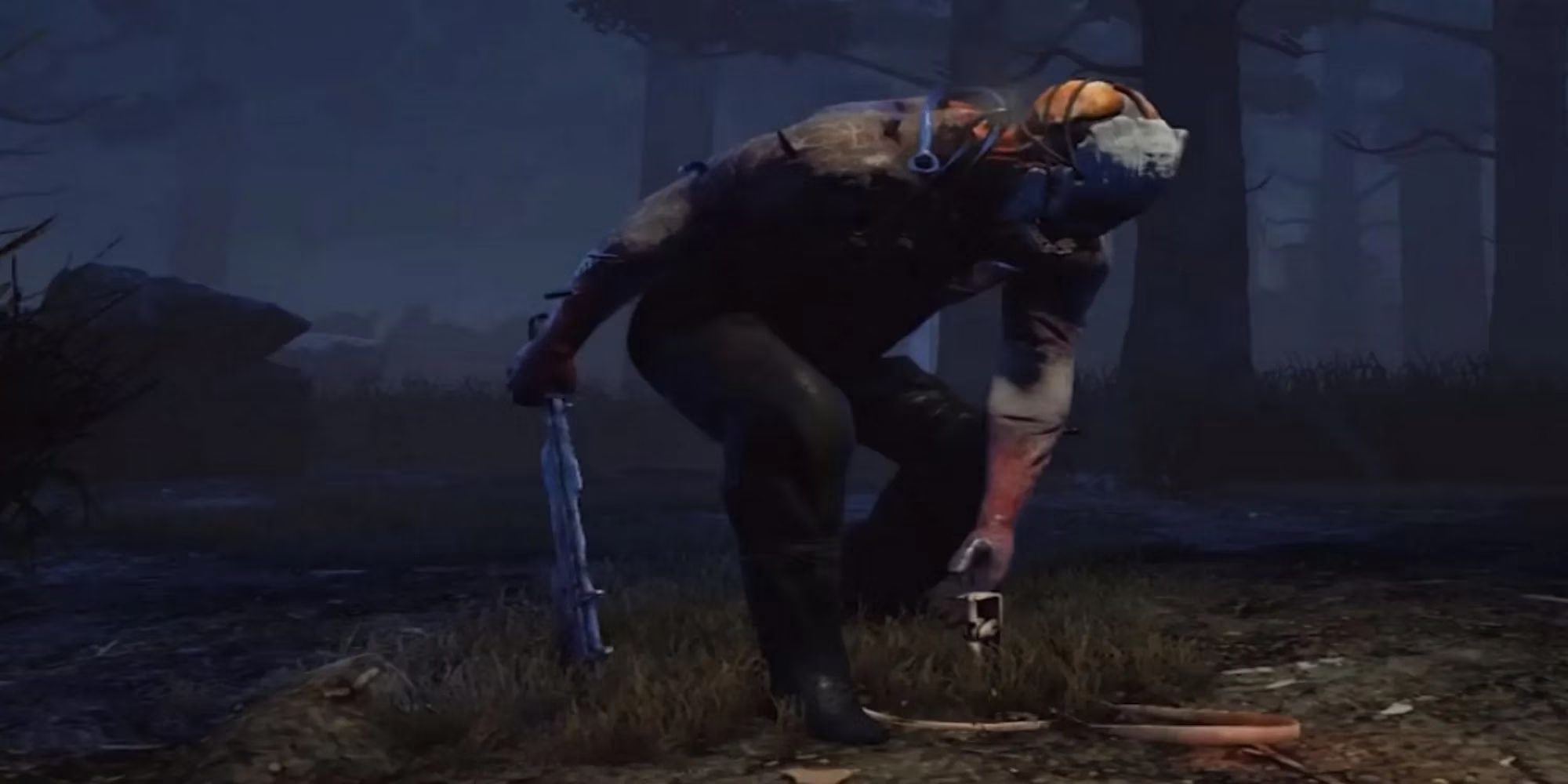
The Trapper gets his strength from his bear traps. You place them around the map to ensnare survivors, and knowing where to put them is a vital skill. I used to scatter traps like confetti, but that’s a fool’s errand. The best strategy is to place them in chokepoints and loops that make them unavoidable. Avoid open ground where survivors can spot them a mile away and walk around them. Instead, use narrow corridors, corners, and grass that hides them. If you can make a survivor think, 'I’ll just loop around this rock,' and then—SNAP—you’ve done your job.
2. Chase Survivors Into Traps 🏃♂️
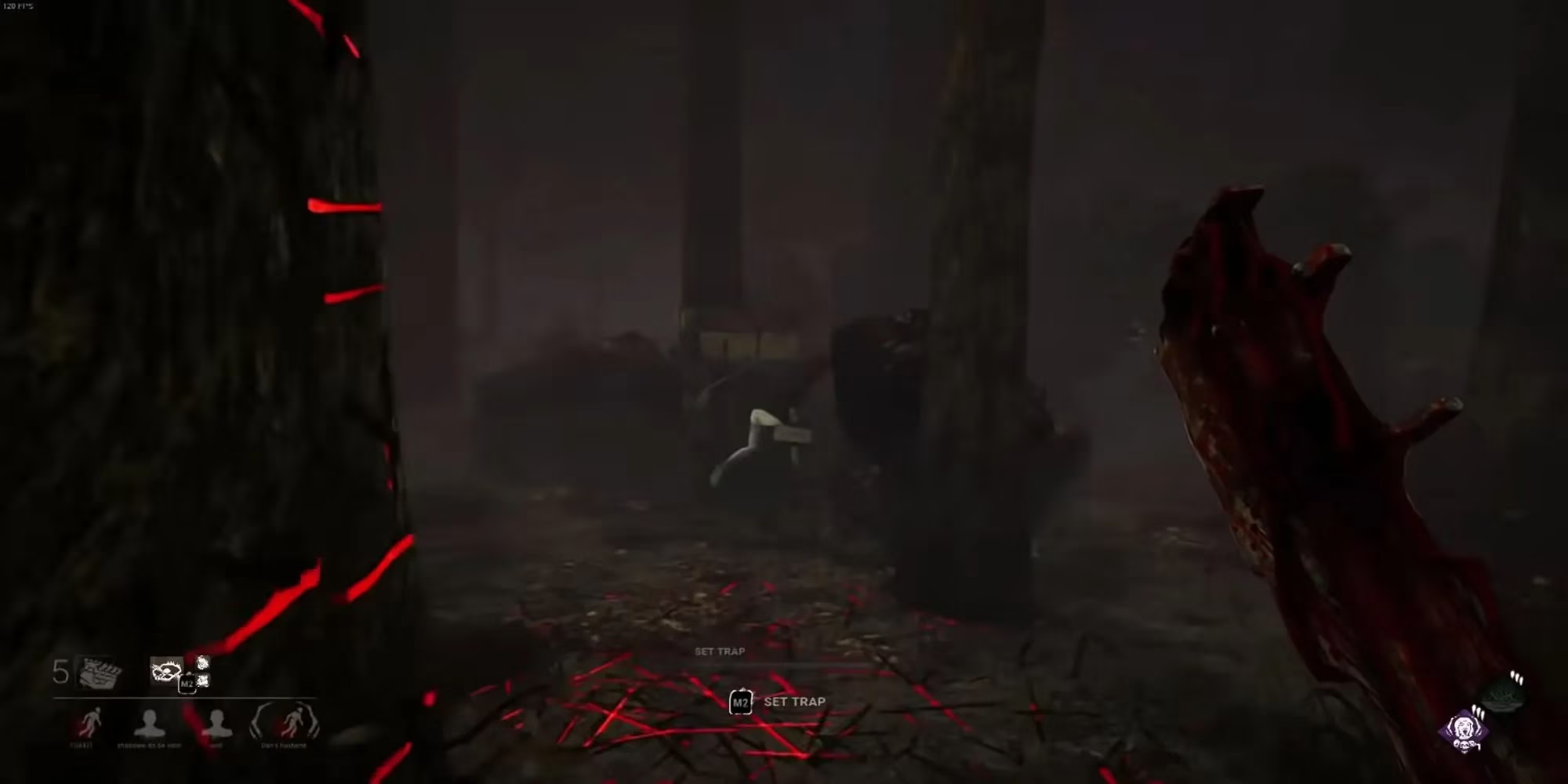
Survivors will rarely go into traps voluntarily, so it’s your job to give them some direction into those grisly devices. When in a chase, you want to guide survivors into your traps to stop them in their tracks and guarantee yourself a hook. Keep pressure on survivors so they attempt to loop you, then herd them toward your traps. It’s like being a sheepdog, except the sheep are terrified and the pen is made of rusty metal teeth.
3. Use Pallets And Windows 🪟
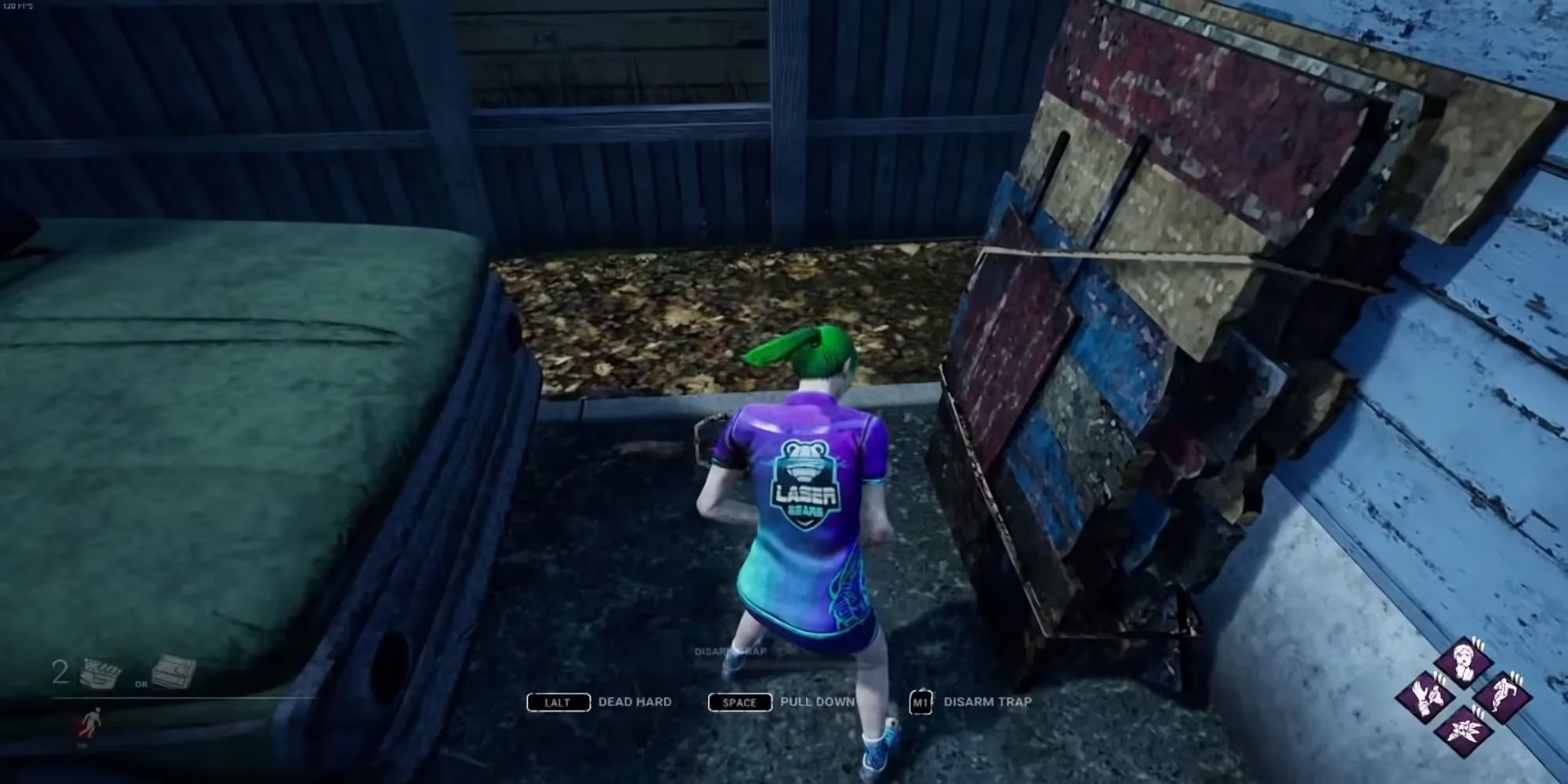
Pallets and windows draw survivors to them like moths to a flame. Place your traps to ensure they get burned. Survivors will often use pallets and windows during a chase to gain distance, so you want traps waiting for them. Place traps close to vault areas but with a bit of distance. Otherwise, if a survivor does a running vault, they will jump over your trap. Giving traps a little distance from windows will make survivors land directly into the trap. Similarly, place traps after the pallet itself, not directly next to it, because survivors can pull a pallet down, which blocks the trap and grants them safe passage.
4. Find Trapped Survivors Quickly ⏱️
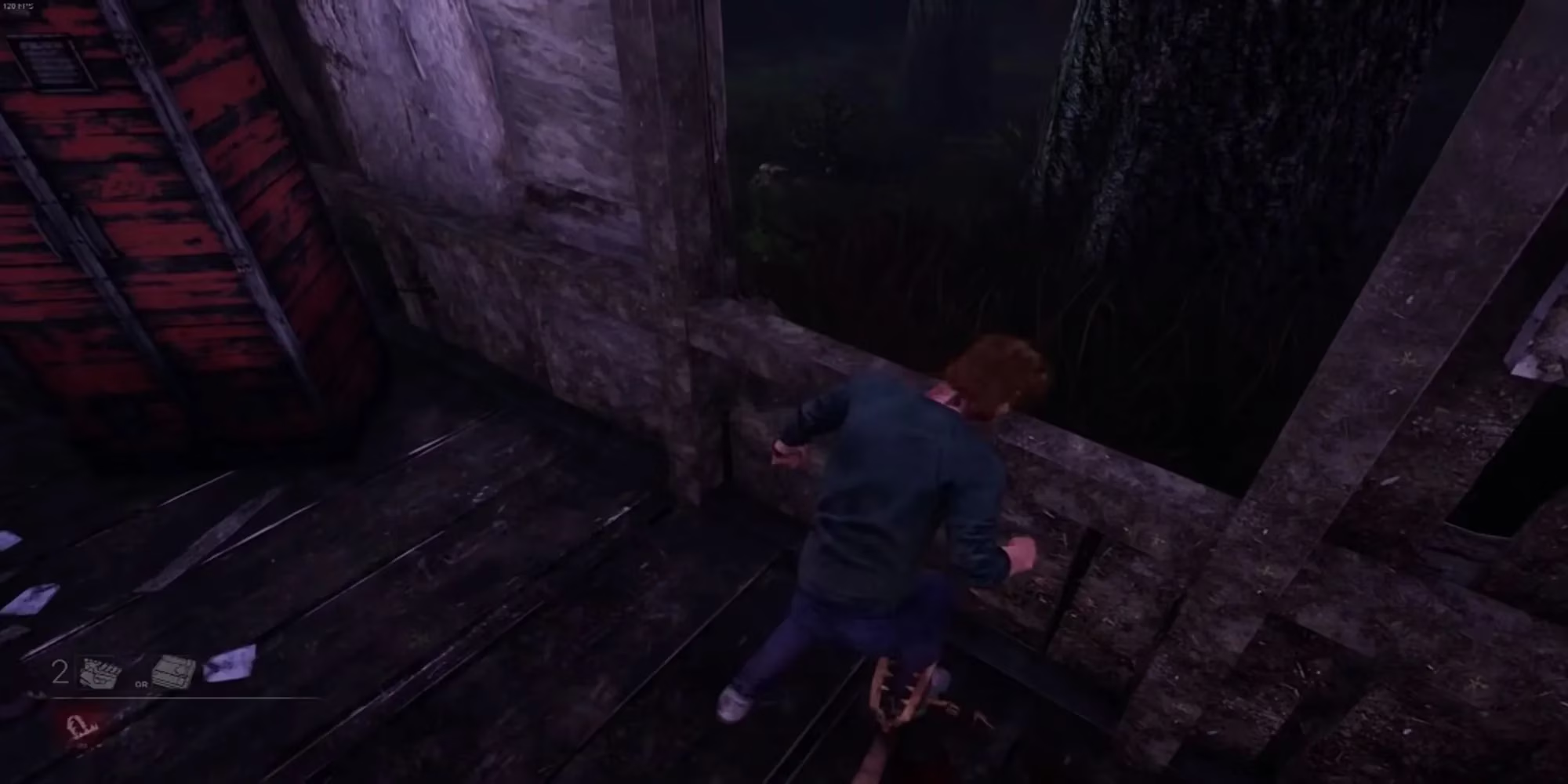
Once you trap a survivor, you want to grab them as soon as possible and get them on a hook. When a survivor is trapped, they still have plenty of opportunities to escape. Trapped survivors can be rescued by others in 1.5 seconds or attempt to escape themselves, with each attempt taking 1.8 seconds and having a 16.67 percent chance of succeeding. You want to get to trapped survivors as soon as possible to prevent them from escaping. Don’t get cold feet—sprint to them like your life depends on it, because your pressure does.
5. Be Wary Of Your Traps ⚠️
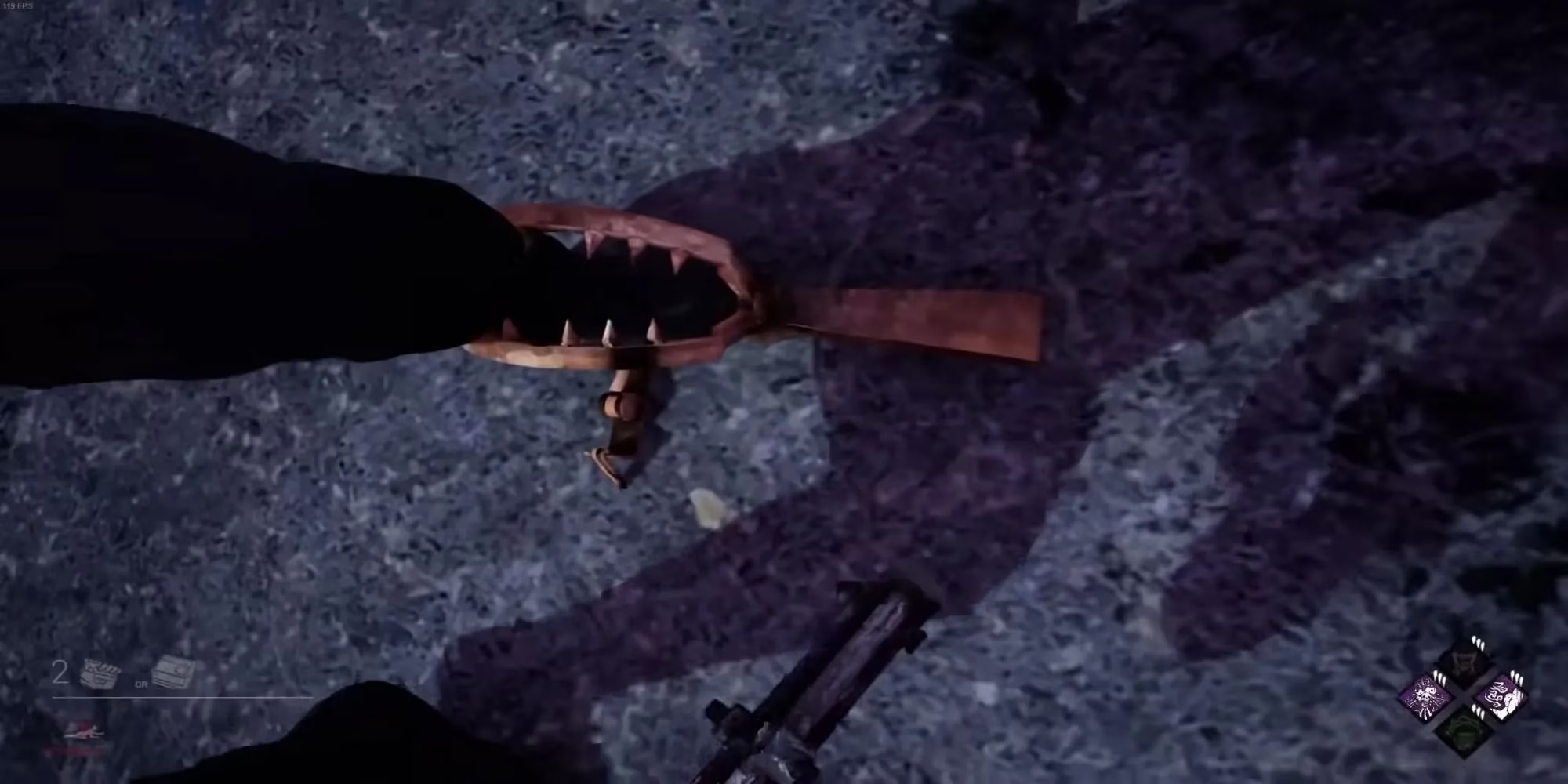
Traps can be a nightmare to survivors, but they can be even more of a nightmare to yourself. After setting a trap, you have three seconds before you can get caught in it yourself. When chasing survivors, pay close attention to where your traps are. You do not want survivors getting away after you get caught in your own trap and have to reset it. If you step into a trap whilst carrying a survivor, you will drop the survivor and give them an easy escape. I’ve done this more times than I care to admit, and let me tell you, it stings worse than a paper cut in lemon juice.
6. Consider Whether To Pick Up Or Attack Survivors 🤔
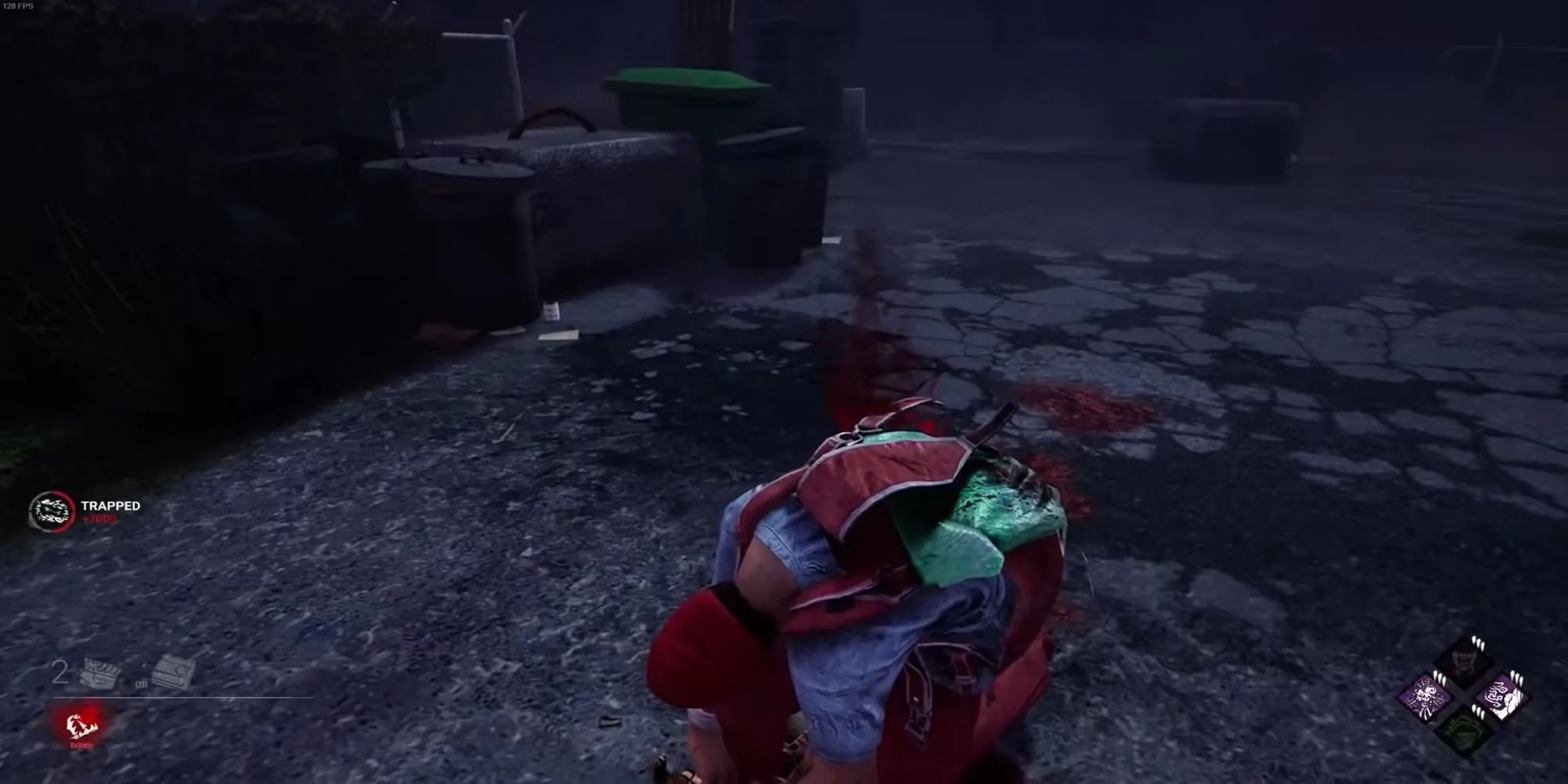
When a survivor is trapped, you can either immediately pick them up or attack them and put them into the dying state. You need to choose what to do carefully. Picking up survivors from traps is the quickest option. It allows you to get them onto a hook quickly. However, if you use perks such as Sloppy Butcher that apply status effects to survivors, it may be worth attacking the survivor to apply the effect before picking them up. If the survivor is on their final hook stage, then there is no point in applying an effect to them, and you are best off sacrificing them as quickly as possible. In 2026, with so many healing perks around, Sloppy Butcher can still be the bee’s knees.
7. Choose The Right Moment To Set Traps ⏳
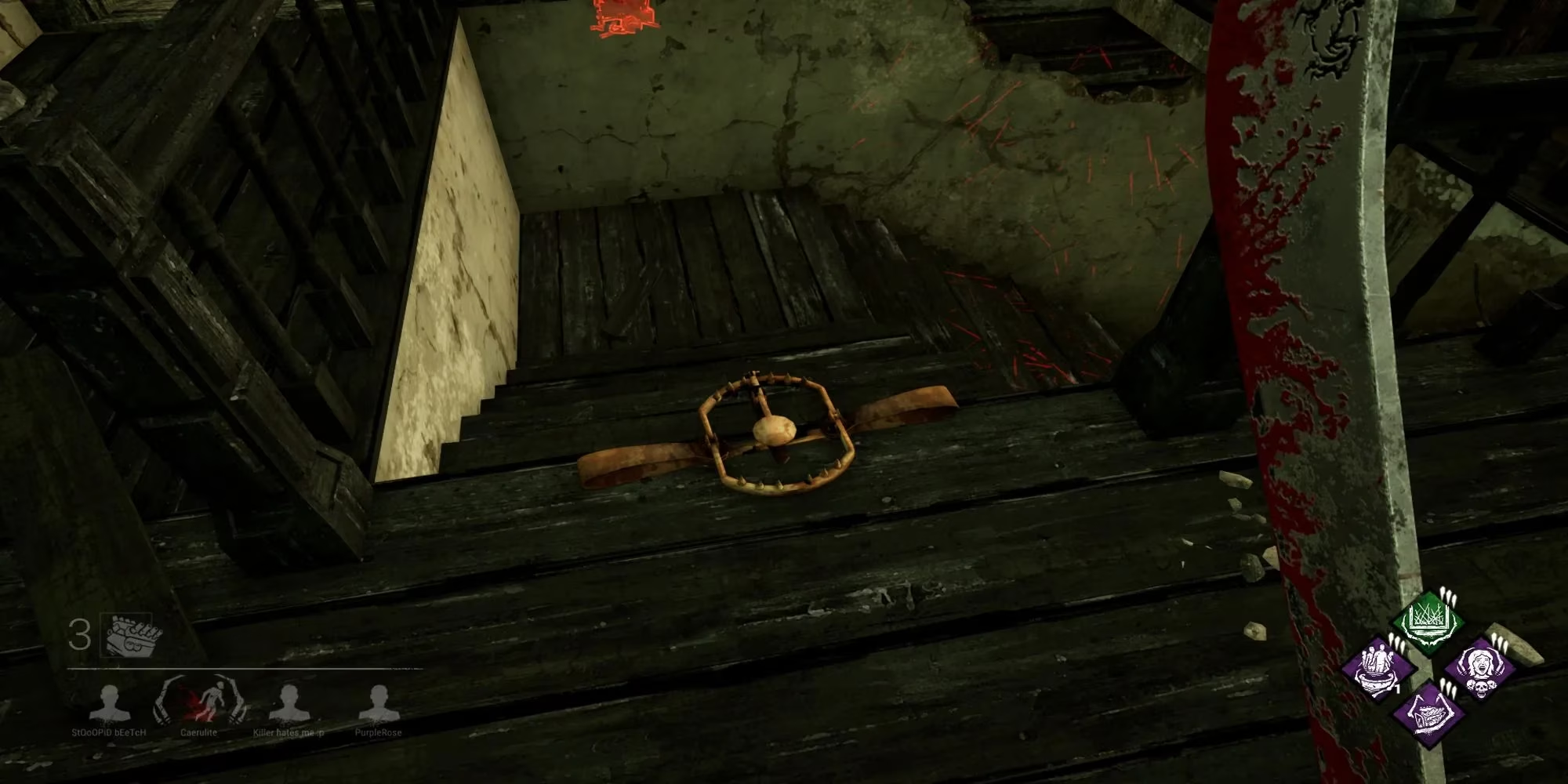
Setting traps is a lengthy process, so don’t spend the entire game setting them, giving survivors plenty of time to repair generators and escape. Setting a trap takes 2.5 seconds, and if you are repeating this process it adds up. It’s generally a good idea to begin by placing a couple of traps in strong positions that are most likely to catch survivors, then go looking for survivors so you can apply pressure to slow down generator repairs. Once you have started getting hooks and hits on survivors, you can set more traps in other places. Just make sure to prioritize your time effectively. Remember: generators don’t repair themselves, but survivors will absolutely do it if you’re busy playing landscaper.
8. Know The Perks 🧠
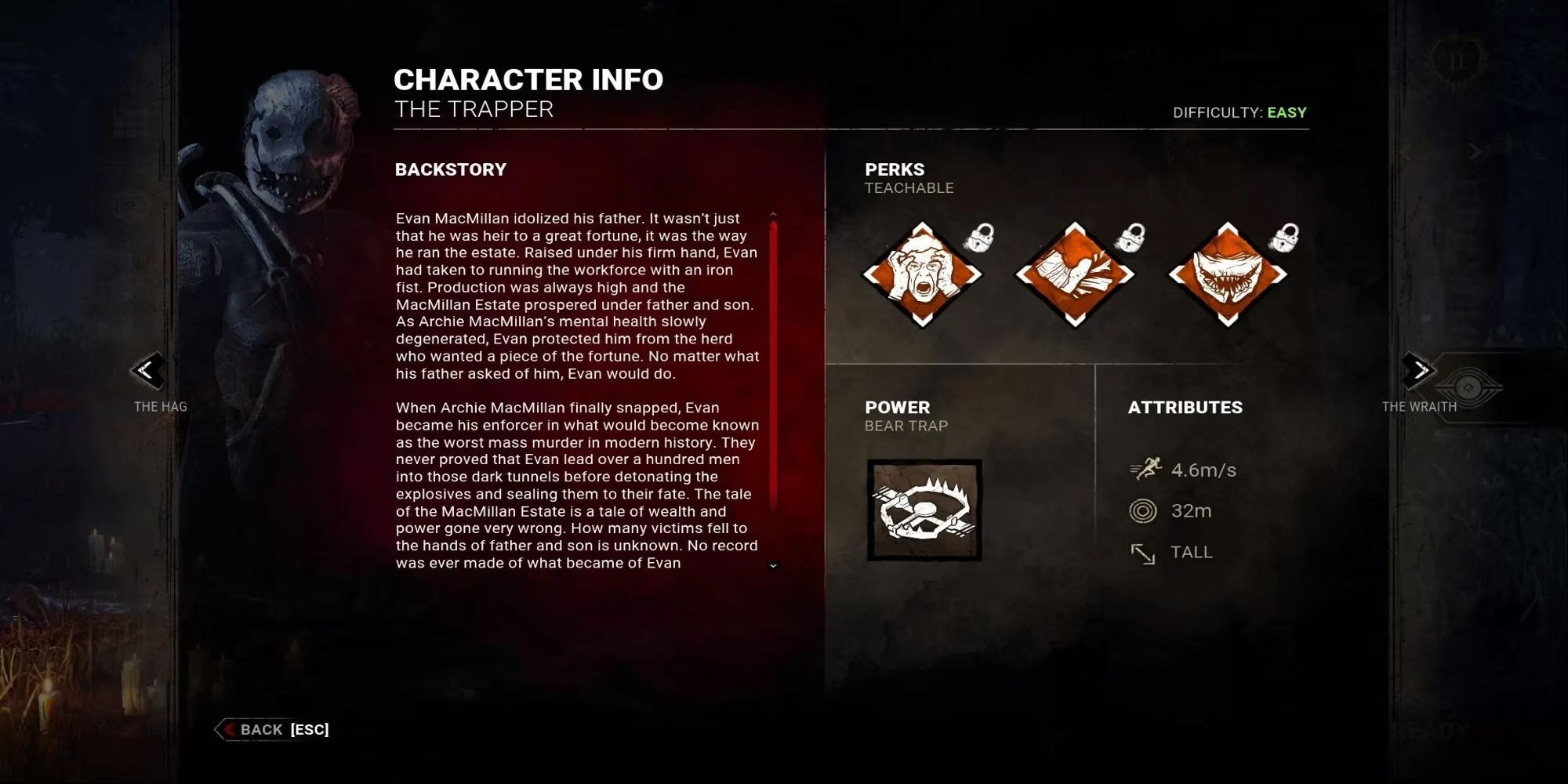
The Trapper comes with three unique perks which will help you catch and hook survivors. Knowing what they do will prove invaluable.
| Perk | What It Does |
|---|---|
| Unnerving Presence | Survivors healing or repairing generators within your terror radius have the chance of getting a skill check increased by 10 percent, and the skill check success zones reduced by up to 60 percent. |
| Brutal Strength | Breaking pallets, breakable walls, and damaging generators is done up to 20 percent faster. |
| Agitation | While carrying a survivor, your terror radius is increased by 12 meters and your movement speed is increased by up to 18 percent. |
Knowing what your perks do is the key to understanding which strategies will work. In 2026, these perks might not be top-tier meta, but they are solid tools for a killer who wants to control the map.
9. Fake Placing Traps 🎭
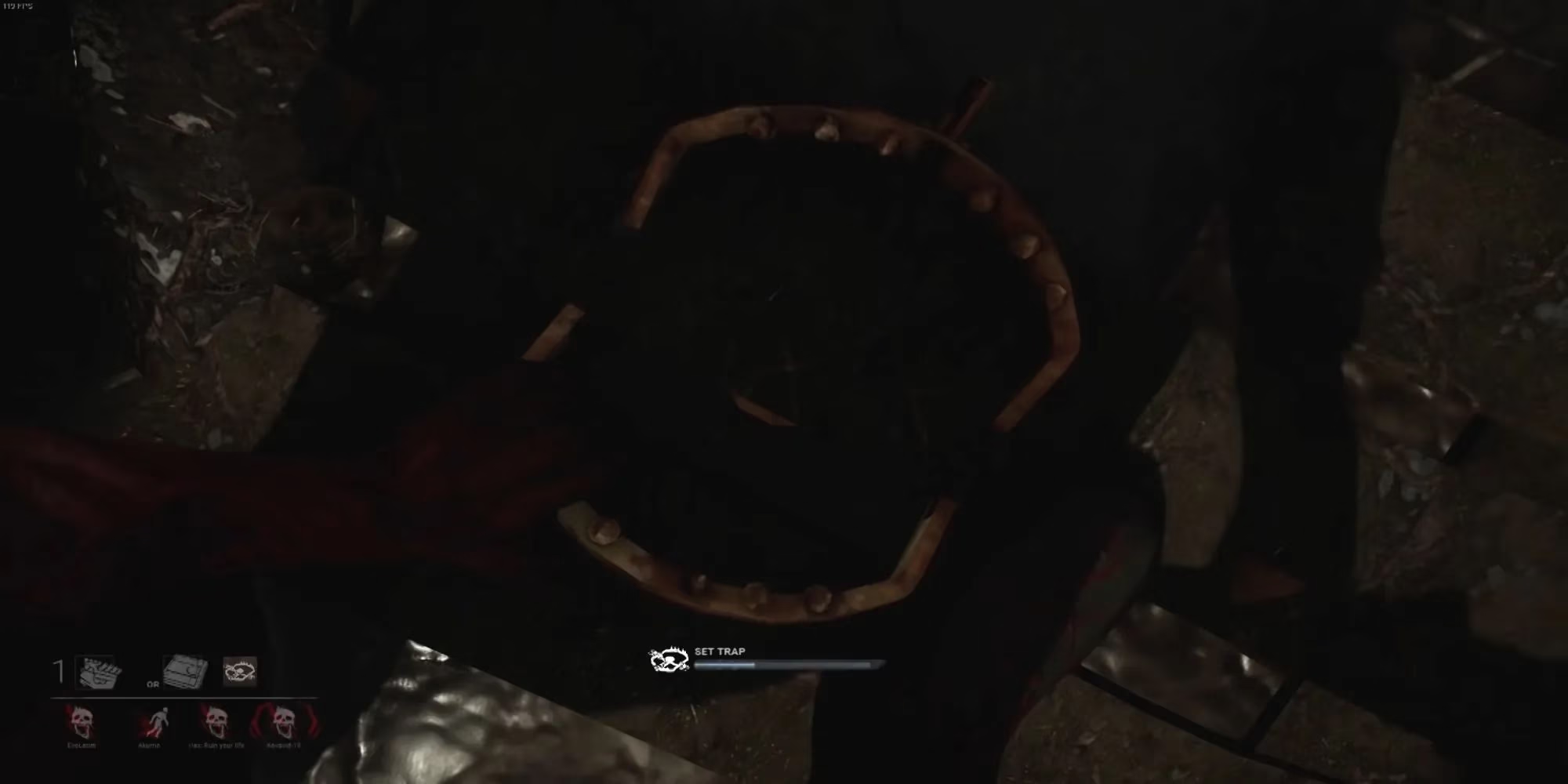
Faking is a crucial skill that is used by survivors and killers alike. Traps provide a new opportunity for misdirection. During a chase, faking a trap can be a very powerful move. You are not locked into placing traps and you can cancel their placement at any time. This can be utilized to trick survivors into thinking you’re busy, as they will hear the trap placing sound and think they are safe for a couple of seconds. During this time you can catch them off-guard. It’s a classic bait-and-switch, and it works like a charm.
10. Keep Track Of Survivors’ Perks 🔍
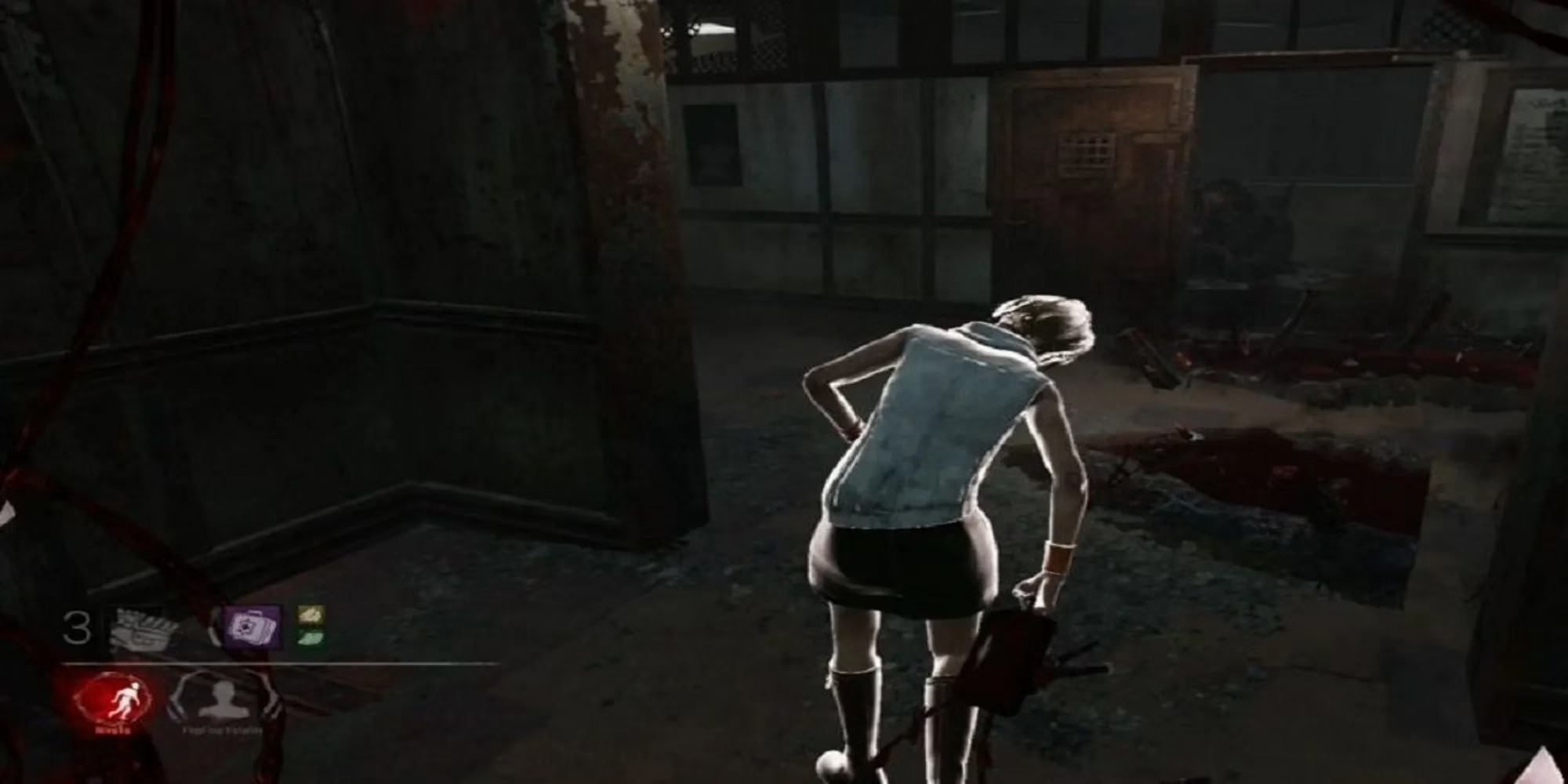
Knowing which perks survivors have will help you combat them more effectively and increase your chances of success. Survivor perks can be extremely powerful and ruin your day as a killer, so it’s good advice to try and keep a note of what each survivor has. For example, in 2026, Borrowed Time is base kit, but anti-tunnel perks like Off the Record or Decisive Strike can still waste your time. If you know a survivor is running one of those, you can avoid wasting time by hitting them when they’ll be immune and instead focus on a different survivor. Knowing the perks of each survivor will greatly help you make decisions.
Final Thoughts 💀
The Trapper might look like a simple killer, but he’s got more layers than an onion. With good trap placement, smart chases, and a little bit of deception, you can turn him into an unstoppable killing machine. I’ve had matches where a single well-placed trap snowballed into a 4K, and I’ve had matches where I stepped in my own trap and wanted to uninstall. That’s the Fog for you. In 2026, the game is still evolving, but the Trapper’s core loop remains timeless. So go out there, set those traps, and make survivors think twice before looping. And remember: don’t get caught with your pants down—especially if you’re the one carrying the bear traps.
Leave a Comment
Comments