Dead by Daylight’s Hellraiser Chapter: What 2026 Players Should Know
Dead by Daylight Hellraiser chapter and Pinhead leak reveal how licensed horror fueled DBD hype. Trace the PTB rollout and iconic Hell Priest.
I still remember when Dead by Daylight’s community treated the Hellraiser chapter like a puzzle box left on a table: everyone circled it, nobody wanted to be the first to turn the crank. In 2026, that chapter is no longer a live mystery—it is part of the game’s licensed-horror history—but the original leak cycle remains a revealing snapshot of how Behavior Interactive built hype. The reference material I’m working from describes a period when DBD was flush with new Killers, Survivors and perks, when the fifth anniversary had just been celebrated, and when the Resident Evil chapter had recently arrived with two Survivors and one Killer. Against that backdrop, Chapter 21—the Hellraiser chapter—became the next rumored headline act.
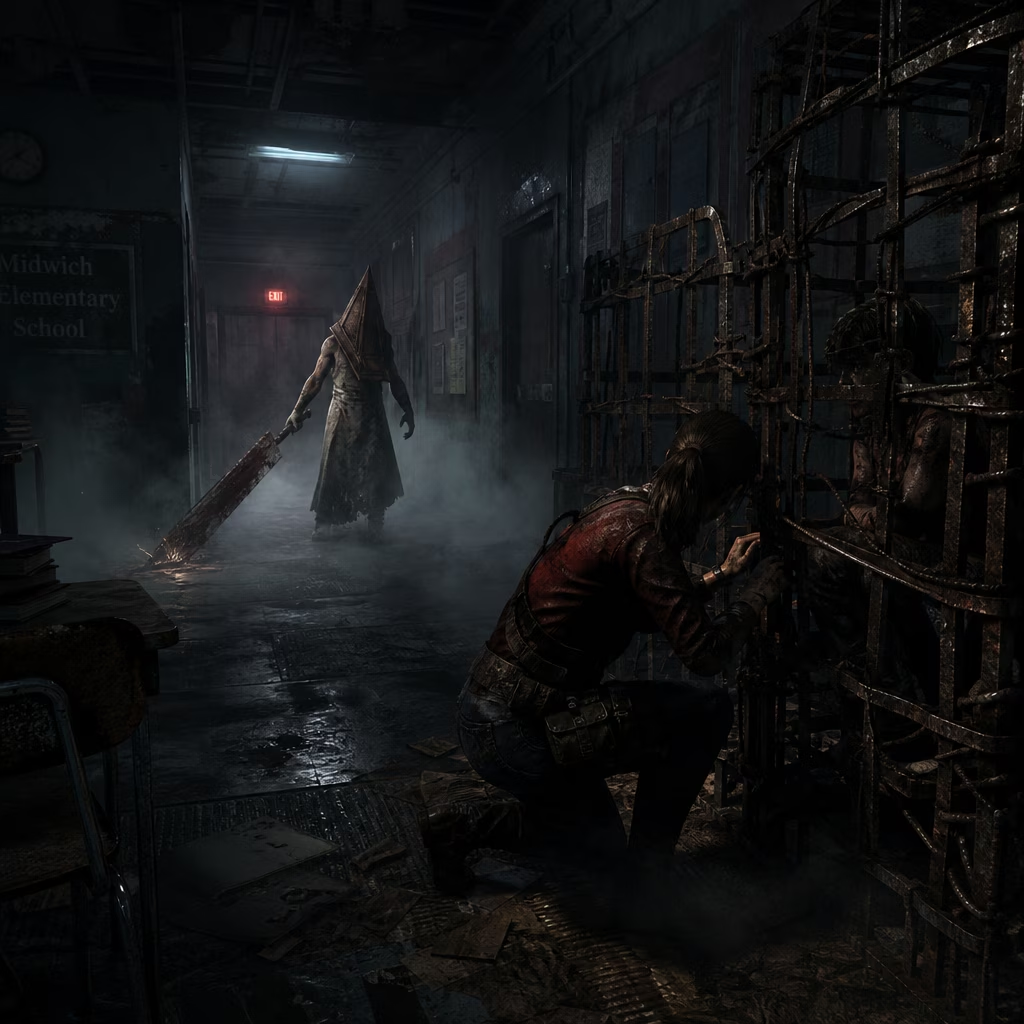
The leak that pointed to Pinhead
For anyone who missed the original rumor cycle, the pitch was simple: Hellraiser was one of horror’s most recognizable franchises, with the first film arriving back in 1987. The leak suggested that Pinhead—also known as the Hell Priest—would be the next Killer in Dead by Daylight. That made sense to me. DBD usually pulls an antagonist from a licensed franchise as a Killer, while a protagonist can join as a Survivor. Pinhead is the antagonist of Hellraiser, so the speculation had the clean, sharp shape of a hook.
At the time, Behavior Interactive had not revealed the next chapter’s release date. The expected path was familiar: the update would first appear on PTB servers, then move to the main game later. Leaks By Daylight, which I treat as a credible source for DBD information, reported that the Hellraiser chapter would release on August 17. I’m writing this in 2026, so I won’t pretend that date is still ahead of us; it is a historical release marker, not a live countdown. But the timing table from that leak cycle is still useful for understanding how DBD updates roll out across regions.
| Region | Expected release time on August 17 |
|---|---|
| PT | 8 a.m. |
| ET | 11 a.m. |
| BST | 4 p.m. |
| GMT | 3 p.m. |
Why the PTB mattered
I have always viewed DBD’s PTB cycle as less of a train schedule and more of a séance: you can predict the ritual, but not the knock. The Hellraiser chapter followed that pattern. The PTB would let players test perks, Killer powers and map interactions before the wider audience touched them. For a licensed chapter, that phase matters even more because the community is not only testing balance—it is testing whether the fantasy of the franchise survives contact with DBD’s mechanics.
In the years since, I have come to see licensed chapters as hinges on a coffin lid rather than fireworks. The announcement gets the attention, but the hinge is what determines whether the content opens smoothly or sticks. Hellraiser had the advantage of a powerful icon: Pinhead is not a generic slasher, and the Hell Priest brings a ceremonial, almost liturgical menace that fits DBD’s trial structure. The chapter’s arrival also landed during a crowded stretch of DBD content, with new Killers, Survivors and perks already reshaping the game. That context made the leak feel bigger than a single release date.
What 2026 players should take from it
By 2026, Dead by Daylight’s licensed-crossover machine has matured, and old release dates should be treated as archive material rather than active schedules. The Hellraiser chapter is still worth studying because it shows how DBD builds momentum: a credible leak, a recognizable horror IP, a PTB first, and a time-zone table that lets the community plan its evening. It also shows the limits of that momentum. A release date is not a guarantee, and a leak is not a patch note. I would not book time off based on a rumor, even one from a source with a strong record.
For newer players, the practical lesson is simple: check official channels for current schedules, and treat anniversary-era leaks as history. For longtime players like me, the Hellraiser chapter remains a useful landmark—a moment when DBD’s horror crossover identity was expanding, when Resident Evil had just raised the bar, and when a puzzle box on the table was enough to make the whole community lean in.
Leave a Comment
Comments