Dead by Daylight’s Stranger Things Delisting Still Haunts Licensing and Game Preservation in 2026
The Dead by Daylight Stranger Things Chapter delisting reveals a shocking tale of lost content, licensing battles, and digital game preservation.
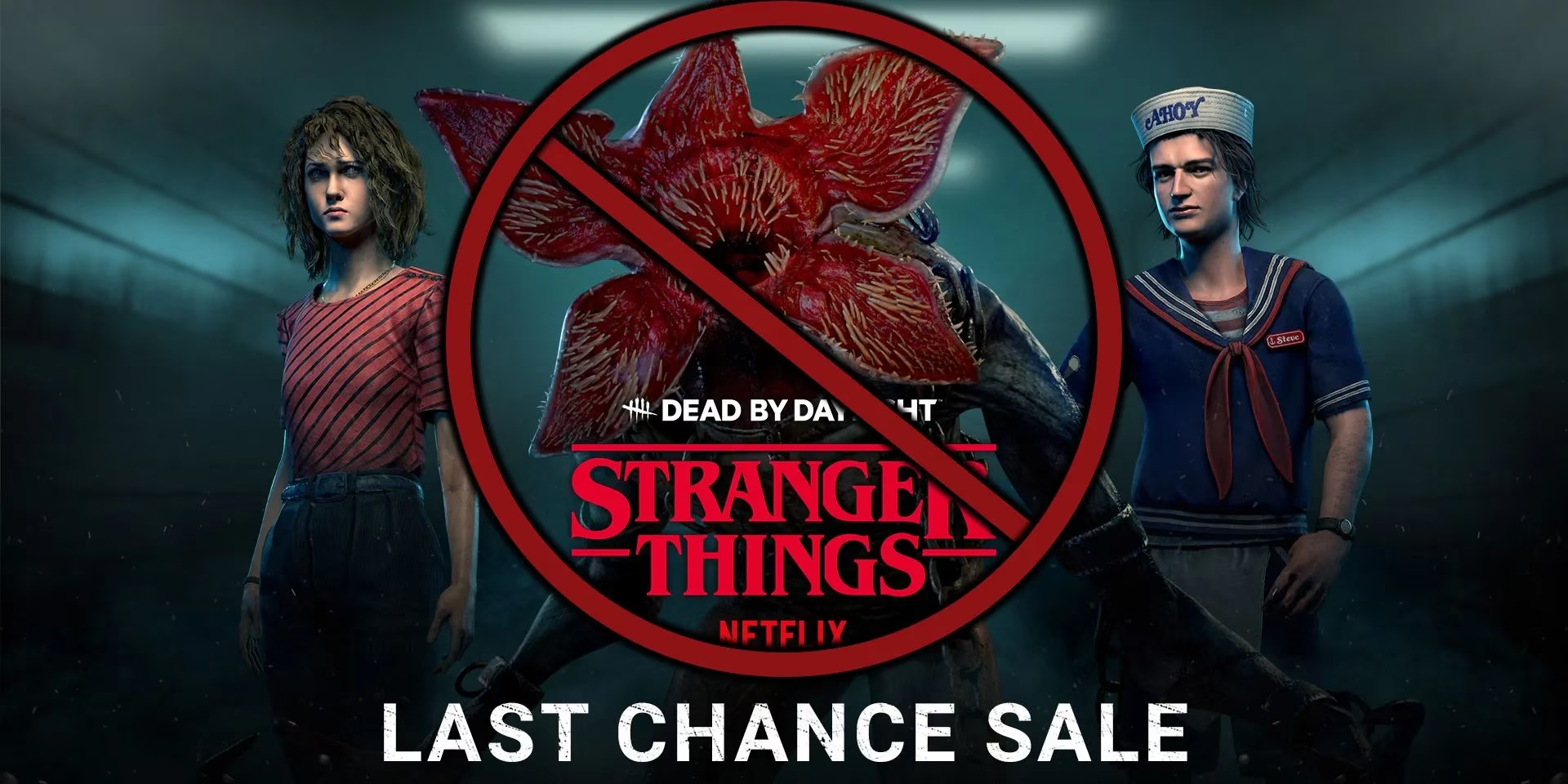
As of 2026, the 2021 delisting of the Stranger Things Chapter from Dead by Daylight remains one of the clearest examples of how quickly licensed crossover content can disappear from a live-service game. The chapter had arrived in 2019 as an ambitious Netflix tie-in, bringing Nancy Wheeler, Steve Harrington, the Demogorgon, and Hawkins National Laboratory into Behaviour Interactive’s multiplayer horror title. Two years later, the same content became the first licensed chapter in Dead by Daylight history to be removed from sale, a decision that shocked players and intensified long-running debates about digital ownership, IP renewal, and game preservation.
A crossover built on a hit license
Dead by Daylight launched in 2016 and gradually became a hub for horror crossovers. Its Chapter system delivered new characters, maps, and perks every few months, mixing original creations with licensed icons such as Michael Myers and Freddy Krueger. In 2019, Behaviour Interactive used the momentum around Stranger Things’ third season to secure a crossover Chapter. Nancy Wheeler and Steve Harrington entered the Fog as survivors, the Demogorgon joined the killer roster, and Hawkins National Laboratory became a playable location. The content was not a minor cosmetic tie-in; it added distinct gameplay, cosmetics, and a map that shaped matches for players who owned it.
The announcement and the countdown
On August 16, 2021, Behaviour Interactive published a news post announcing that the Stranger Things Chapter would close on November 17, 2021. At the time, the studio said the characters would remain playable for players who already owned them, but it would become impossible to buy the characters or their outfits after that date. Players who did not own the Chapter would be locked out of the Demogorgon and its unique playstyle. The perks tied to those characters would still appear in the game’s Shrine from time to time, but Hawkins National Laboratory would leave entirely, making the Stranger Things-themed map inaccessible even to owners.
The timing was especially jarring because excitement around the show’s then-upcoming fourth season was high. For many fans, the removal felt less like a routine licensing expiration and more like a sudden erasure of content that was still popular and comparatively new.
A staggered sale before the lockout
Behaviour Interactive tried to soften the blow with a limited discount window. The details were precise and time-sensitive:
| Date | Offer |
|---|---|
| August 18 to September 1, 2021 | The Chapter containing all three characters and the Stranger Things Edition of Dead by Daylight were on sale |
| August 18 to September 8, 2021 | Stranger Things outfits were on sale |
| Until November 17, 2021 | Individual characters were half price in the in-game store |
| November 17, 2021 | The Chapter and Hawkins National Laboratory were removed from availability |
That discount plan gave players a final chance to buy the content before the license expired, but it also underlined a harsh reality of live-service games: access depends on contracts, not on whether a player discovered the game early enough or whether a community still values the content.
Why the delisting mattered
Licensing disputes are rarely discussed in detail by publishers, but their effects are often visible to players. The Stranger Things removal arrived after other high-profile disappearances, including the digital takedown of Alan Wake because of licensed music and the removal of the iconic P.T. demo. Other examples include the sudden delisting of older Marvel titles such as the first two Ultimate Alliance games and the original release of Scott Pilgrim vs. the World. With digital storefronts dominating the market, non-physical content can become unavailable almost overnight, and game preservation becomes nearly impossible when rights holders and publishers cannot or will not renew an agreement.
The Dead by Daylight case was significant because the game was large, active, and commercially successful. If a title of that scale could lose a major crossover Chapter, smaller games and older titles were even more vulnerable.
The 2023 reversal and the 2026 lesson
The exclusion proved temporary. In 2023, the Stranger Things crossover was restored to Dead by Daylight, allowing players to purchase the chapter and access its content again. Even so, the 2021 delisting remains a widely cited case study. By 2026, live-service games depend even more heavily on temporary licenses, cross-promotions, and digital storefronts, while players increasingly expect long-term access to content they have purchased. The Stranger Things episode showed that even a blockbuster collaboration can vanish when a contract ends, and that preservation is not only a technical problem but also a legal and commercial one. For the industry, the lesson is still uncomfortable: if licensing can remove a major chapter from a major game, it can remove almost anything.",
Leave a Comment
Comments