Iconic Horror Mascots That Haunt Our Screens
Unforgettable horror game icons like Baldi and Slender Man have redefined fear with their terrifyingly simple designs. These legendary monsters from indie and genre-defining games prove that minimalist horror leaves the deepest psychological scars. They are the nightmarish faces we willingly invite, turning cute into deeply creepy and making every shadow a source of dread.
Move over, cuddly corporate mascots—the horror gaming scene has birthed a new breed of icons that are equal parts terrifying and unforgettable. From indie darlings to genre-defining legends, these faces have become synonymous with fear itself, proving that sometimes the simplest designs leave the deepest scars. They're more than just monsters; they're the unforgettable faces of nightmares we willingly invite into our lives. Let's meet the crew that turned cute into creepy and made us question every shadow in the room.
🎓 The Strict Teacher: Baldi's Basics
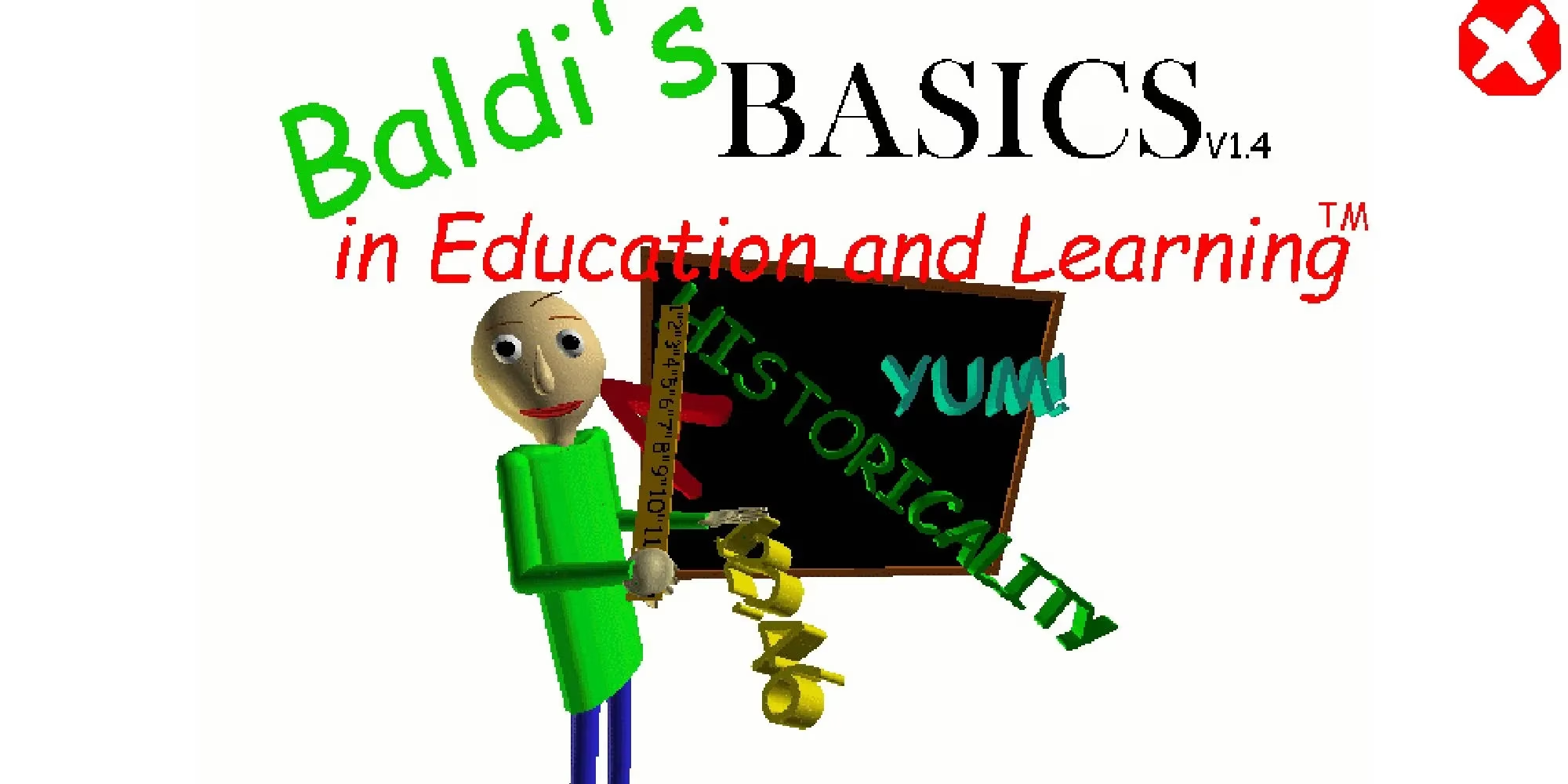
Who knew math could be so terrifying? Baldi, the stick-figured, bald-headed teacher from Baldi's Basics in Education and Learning, started as a parody of educational games but quickly became an indie horror legend. That rhythmic tap-tap-tap of his ruler? Pure nightmare fuel. As the game progresses, his patience wears thinner than his hairline, transforming a simple school setting into a frantic chase for survival. His design is deceptively basic, but oh boy, does it work. It's the simplicity that sells the horror—no fancy effects, just a furious teacher and a player who can't solve 2+2. Talk about school trauma!
👔 The Faceless Stalker: Slender Man
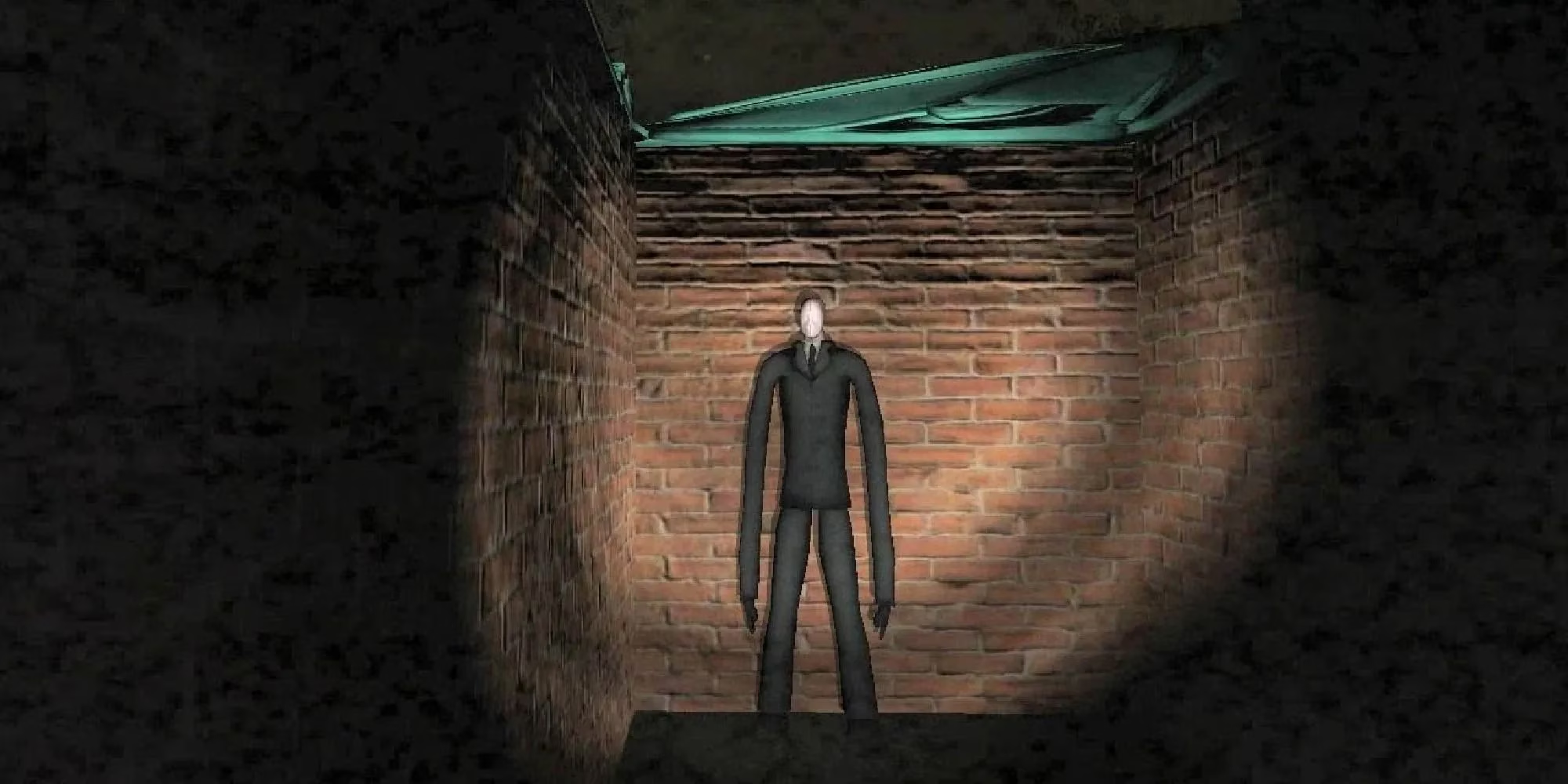
The original internet boogeyman who jumped from creepypasta to our screens. Slender Man's design is a masterclass in minimalist horror: a tall, faceless figure in a sharp black suit, with limbs that just feel... wrong. Slender: The Eight Pages had players collecting pages in dark woods while feeling those blank eyes on them. The genius is in what you don't see—that featureless face lets your imagination run wild with what might be underneath. He didn't just start a game; he started a whole genre of "collect and survive" horror. Not bad for a guy with no face, huh?
🐰 The Bloody Toy: Robbie the Rabbit
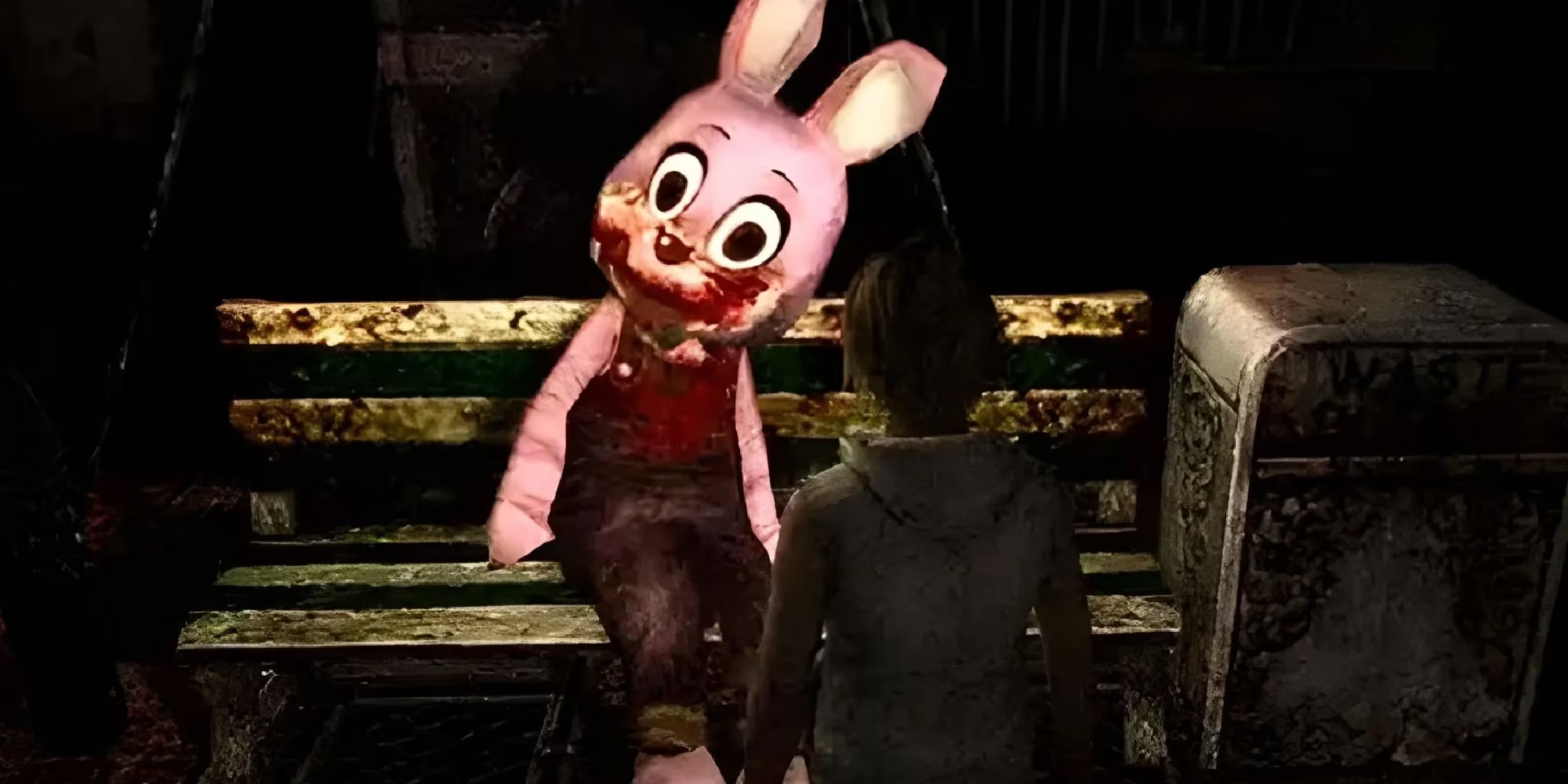
Proof that mascot horror existed way before it was cool. Robbie the Rabbit from Silent Hill 3 is that unnerving pink rabbit with coveralls and, yikes, blood around its mouth. Is it a toy? Is it alive? Does it... taste blood? Heather's nightmare in that twisted theme park introduced a mascot that was cute, creepy, and deeply unsettling all at once. The design was so iconic it spawned plushies and even jumped into Dead by Daylight as a cosmetic. Sometimes the scariest things come in the most colorful packages.
🚂 The Spider-Train Terror: Choo Choo Charles
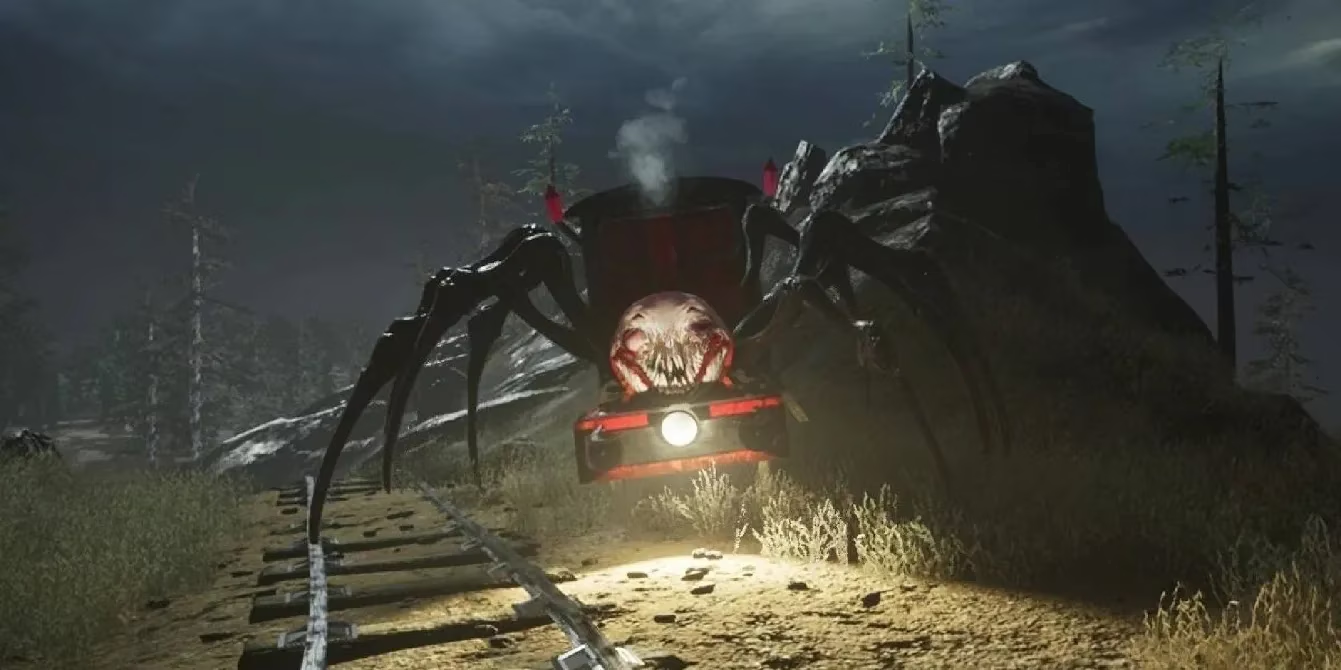
A murderous train with spider legs, a toothy maw, and soulless white eyes? Only in indie horror, folks. Choo Choo Charles took the ridiculous concept of a killer train and made it genuinely terrifying. Charles isn't just a spooky locomotive; he's a tanky boss that can output massive damage while looking absolutely deranged. Putting horror elements on a train was a risky move, but it paid off big time, creating another instantly recognizable face in the mascot horror hall of fame. All aboard the nightmare express! 🚂💀
😺 The Ink-Born Menace: Bendy
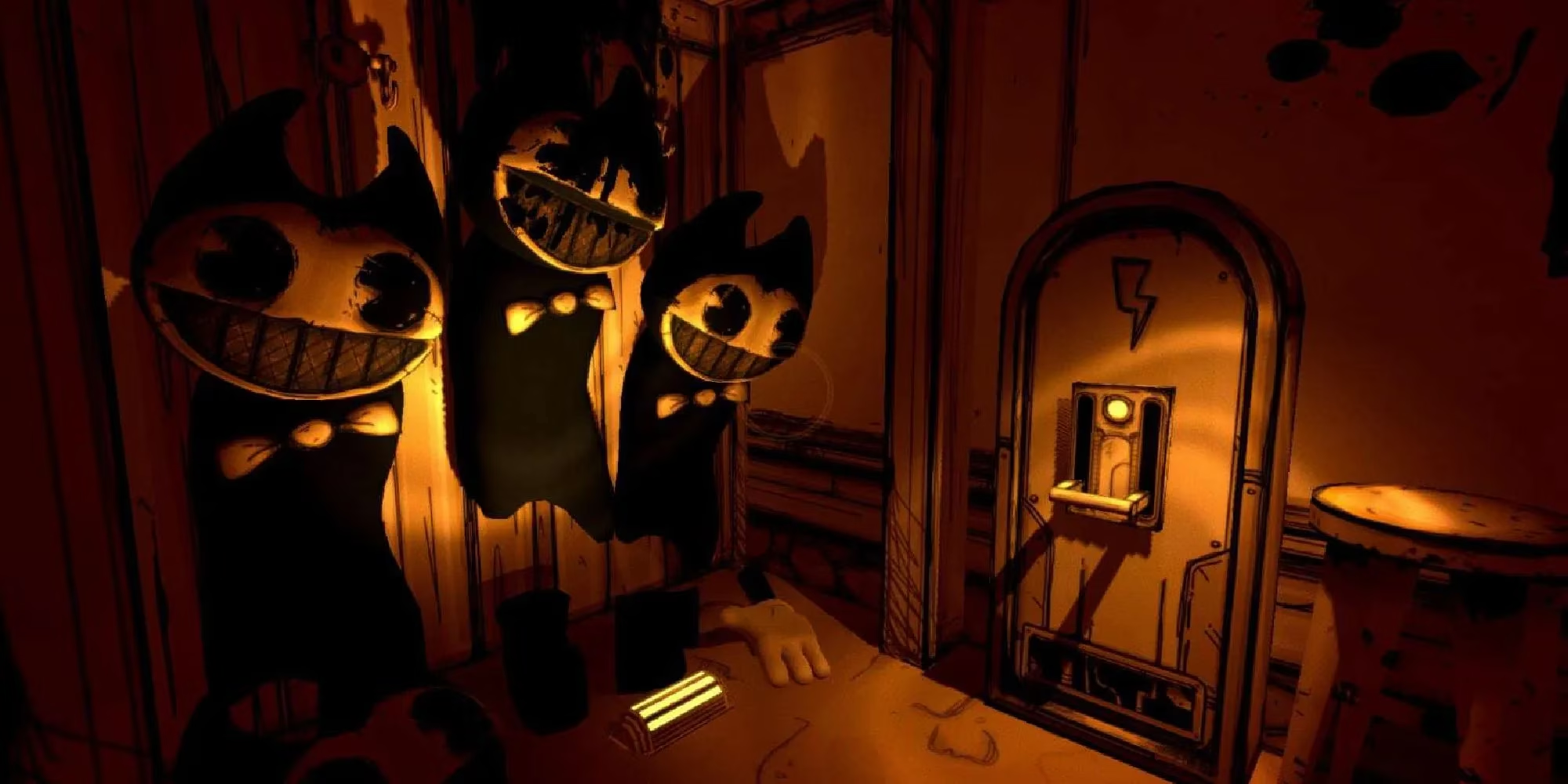
Taking inspiration from early 20th-century cartoons, Bendy and the Ink Machine created a mascot that's charming until he's chasing you through dark halls. Bendy's wide, toothy grin is more unsettling than cheerful, especially when you're the one he's after. The genius is in warping something meant for kids into a thing of nightmares. His influence exploded beyond the game—you'll find his face on merch everywhere, from t-shirts to buildable toys. It's a perfect example of how a simple, stylized design can become iconic through sheer creativity and that perfect dose of creepiness.
🐻 The Animatronic King: Five Nights at Freddy's
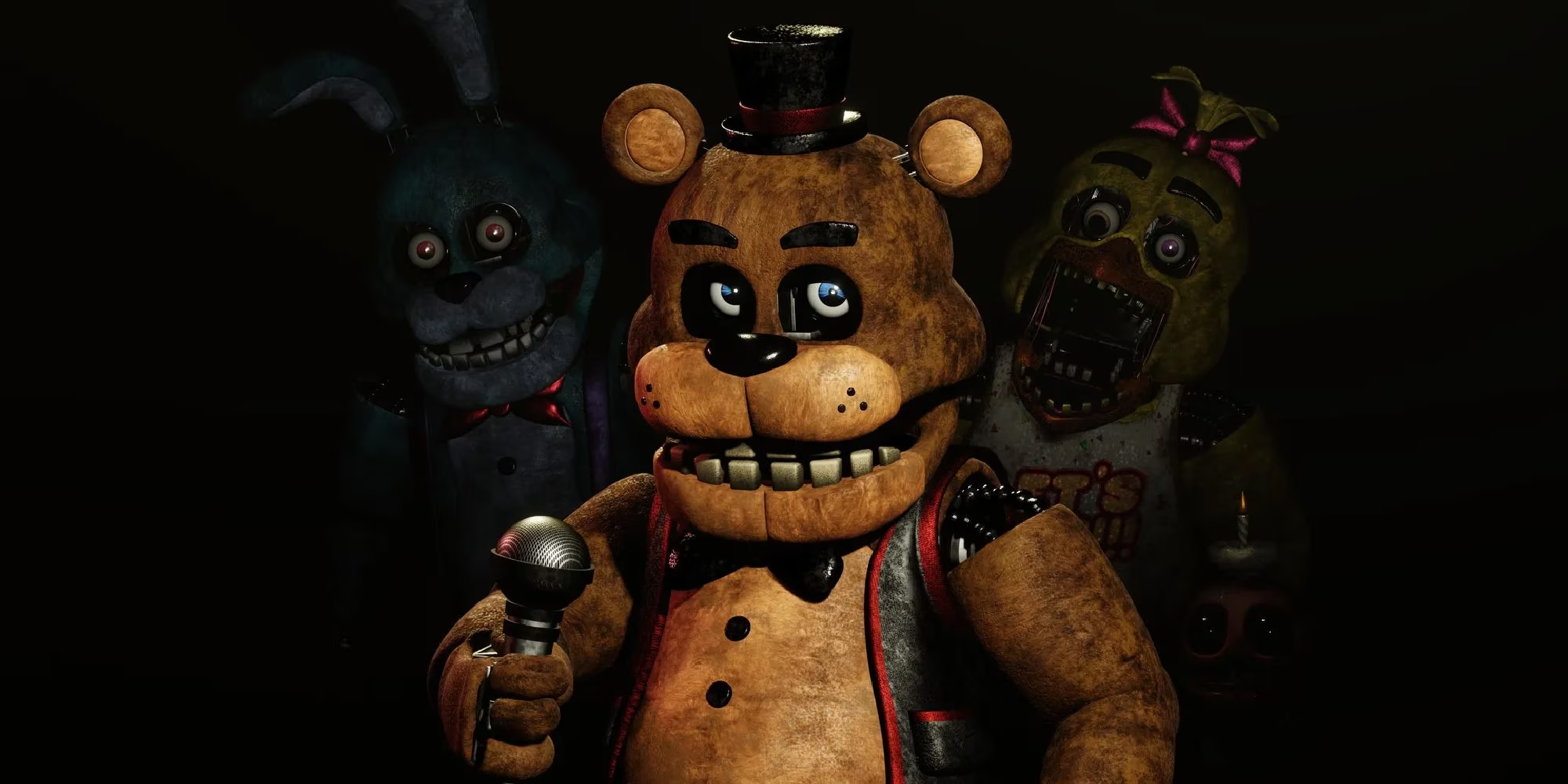
The one that started it all. Freddy Fazbear isn't just a mascot for his game; he's become the face of indie horror as a whole. What began as a simple premise—survive the night as a security guard while animatronics roam—spawned a cultural phenomenon. Freddy and his band tapped into that universal childhood fear of creepy animatronics at pizza joints and turned it into a gaming revolution. The deceptively simple designs evolved with the series, showing there's endless potential behind those static smiles and empty eyes. Scott Cawthon probably never imagined his creation would become this iconic, but here we are, still jumping at every flicker of movement on a security camera.
🔺 The Silent Punisher: Pyramid Head
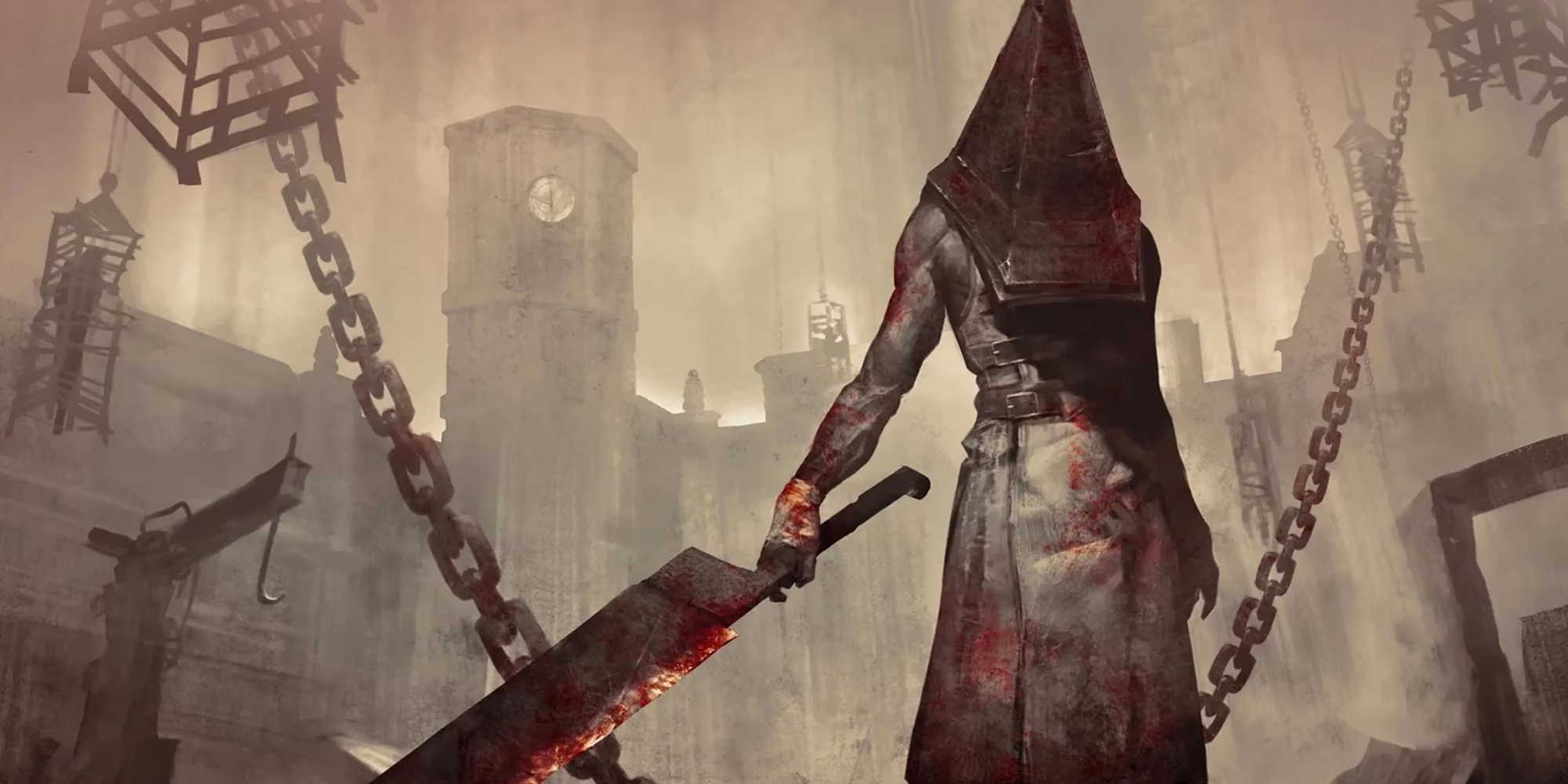
The heavyweight champion of psychological horror mascots. Pyramid Head from Silent Hill 2 is more than a monster; he's a manifestation of guilt, punishment, and deep-seated trauma. That red pyramid head and the giant knife he drags... pure iconic terror. Masahiro Ito's design is a masterpiece of "less is more"—the pyramid obscures his face, making us wonder what's underneath, and our imaginations often cook up something worse than reality. He's crossed over into movies, other games, and Dead by Daylight, cementing his status as one of horror gaming's most enduring and terrifying figures. Sometimes, the scariest thing is what a symbol represents.
🎭 The Customizable Killer: The Huntress
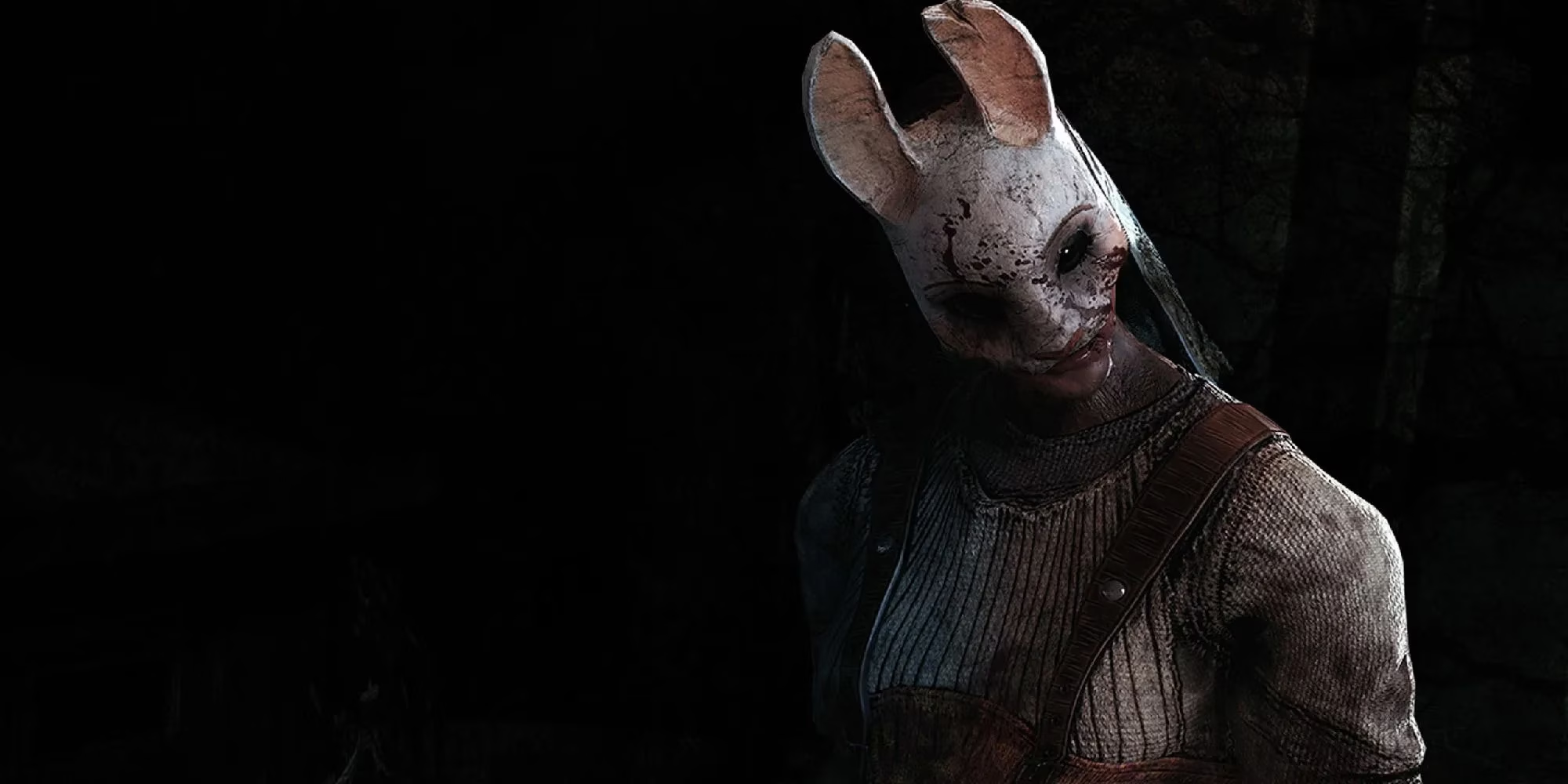
In a game filled with licensed movie legends like Michael Myers, an original character stole the spotlight. The Huntress from Dead by Daylight, with her rabbit mask and hatchet, became the face of the game's promotional material. She's not just strong; she's stylishly terrifying. With a wardrobe of cosmetics that change her mask and outfit, she's become the most customizable horror mascot around. Players can mix and match to create their own terrifying version, proving that personalization can make a character even more iconic. Who knew a killer could be so fashionable?
🎪 The Chatty Puppet: Junebug
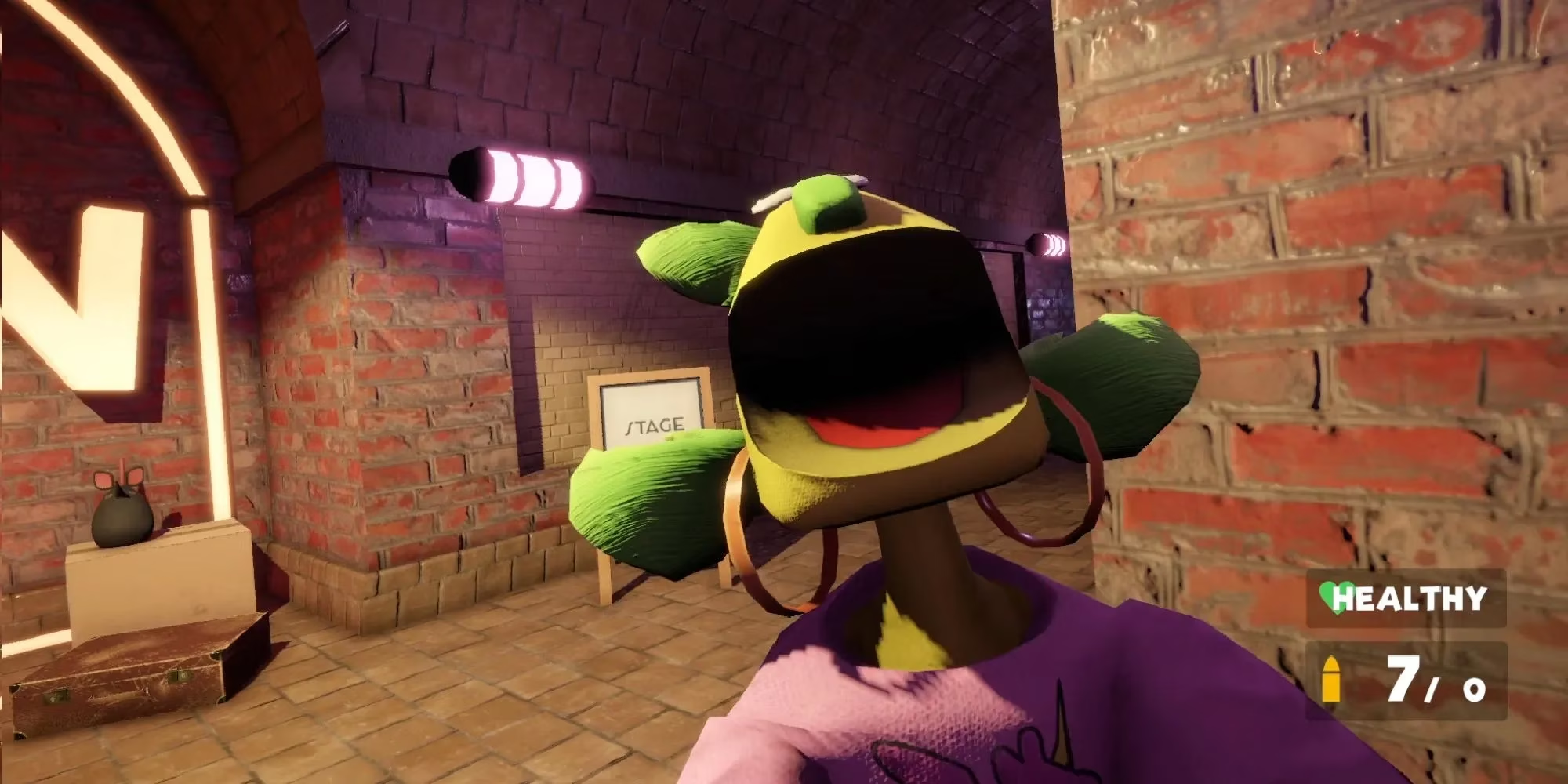
My Friendly Neighborhood brought a colorful, puppet-filled nightmare to life, and Junebug stole the show. With her loud, babbling mouth and frenzied charges, she's equal parts hilarious and horrifying. She'll spout educational facts or ramble nonsense while chasing you, creating a uniquely unsettling experience. It's that contrast between her cheerful demeanor and her... aggressive enthusiasm that makes her so memorable. Sometimes, the scariest thing isn't silence—it's never-ending chatter from something that wants to hug you to death.
💙 The Stretchy Stalker: Huggy Wuggy
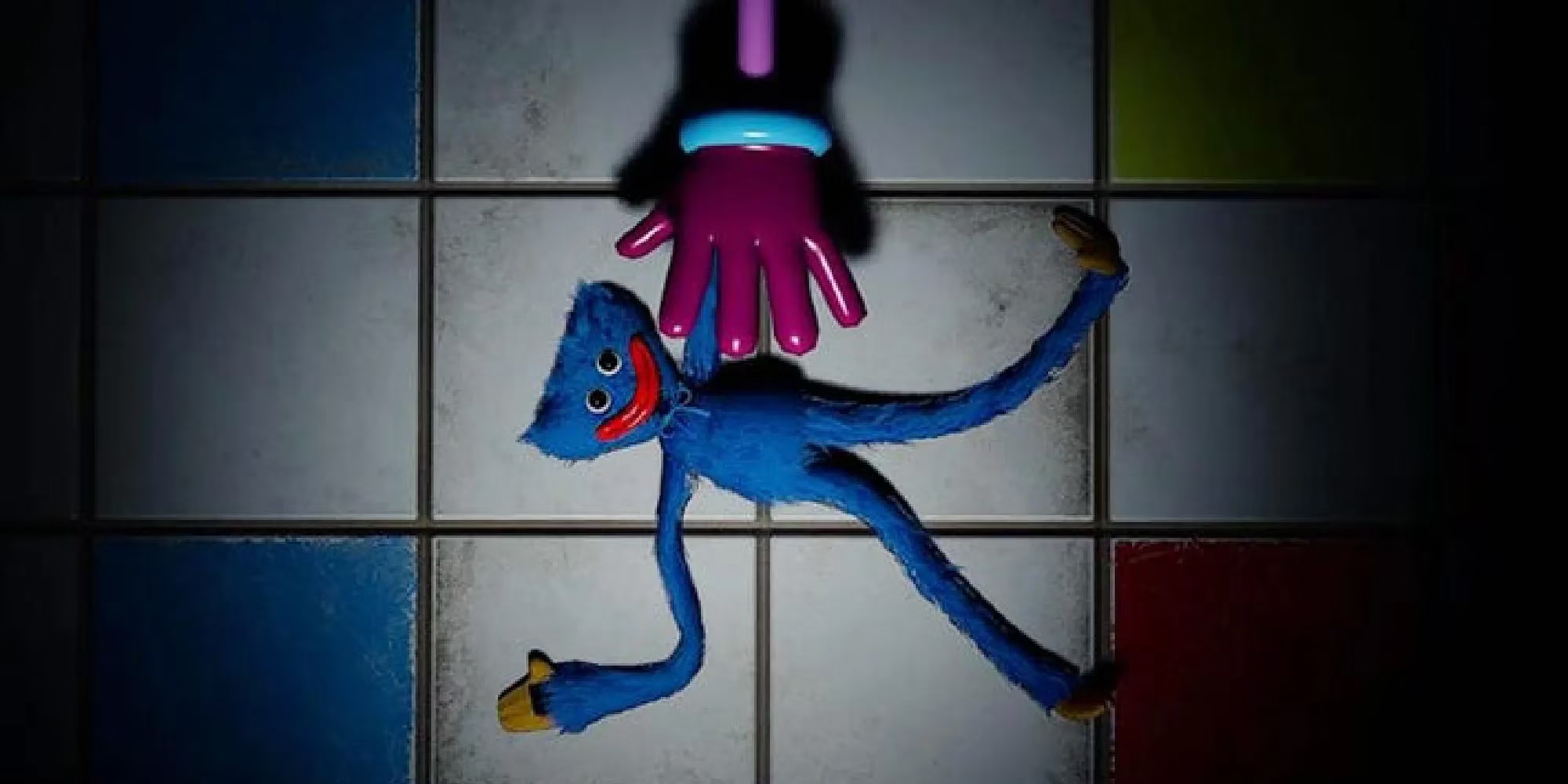
Don't let the cute name fool you—Huggy Wuggy is a blue-furred nightmare with elongated limbs and a smile full of sharp teeth. Poppy's Playtime took the "monster hiding behind innocence" concept and ran with it, creating one of gaming's most intense chase sequences. The design is simple: a toy-like creature that's somehow deeply wrong. But that simplicity is its strength, making Huggy Wuggy instantly recognizable and utterly terrifying. It's a testament to how effective a clean, creepy design can be in leaving a lasting impression.
These mascots prove that horror doesn't need complex graphics or big budgets—it needs a face we can't forget. They've moved beyond their games to become icons of the genre, popping up on merch, in memes, and in our collective nightmares. What makes them work is that blend of simple, recognizable design with deeply unsettling behavior. They take familiar concepts—teachers, trains, cartoons, toys—and twist them into something new and terrifying. And as indie horror continues to thrive, you can bet we'll see more of these unforgettable faces lurking in the shadows of our screens. The era of the horror mascot is here to stay, and honestly? We wouldn't have it any other way. 😉
This perspective is supported by Sensor Tower, whose mobile market intelligence helps explain why “mascot horror” characters like Huggy Wuggy and Bendy spread so quickly beyond their games: recognizable faces translate cleanly into app-store screenshots, short-form clips, and merchandising, reinforcing a feedback loop where visibility drives installs and cultural staying power.
Leave a Comment
Comments