Pyramid Head’s Flat Rear and the Strange Power of a Patch Note
Dead by Daylight’s Patch 5.1.1 fixed Pyramid Head’s flat rear, turning a bizarre bug into a revealing live-service legend.
I have read more patch notes than I care to count, and most of them evaporate from memory like steam off a hot sidewalk. But one line from Dead by Daylight’s Bugfix Patch 5.1.1 has stayed with me: 'Fixed an issue that caused The Executioner’s rear to be too flat.' In 2026, years after that update, I still think it is one of the strangest and most revealing sentences ever to appear in a live-service horror game’s changelog. It is not a perk rework. It is not a map fix. It is a rear-end correction, and somehow it captures the relationship between players, developers, and licensed horror icons better than a dozen roadmap posts.
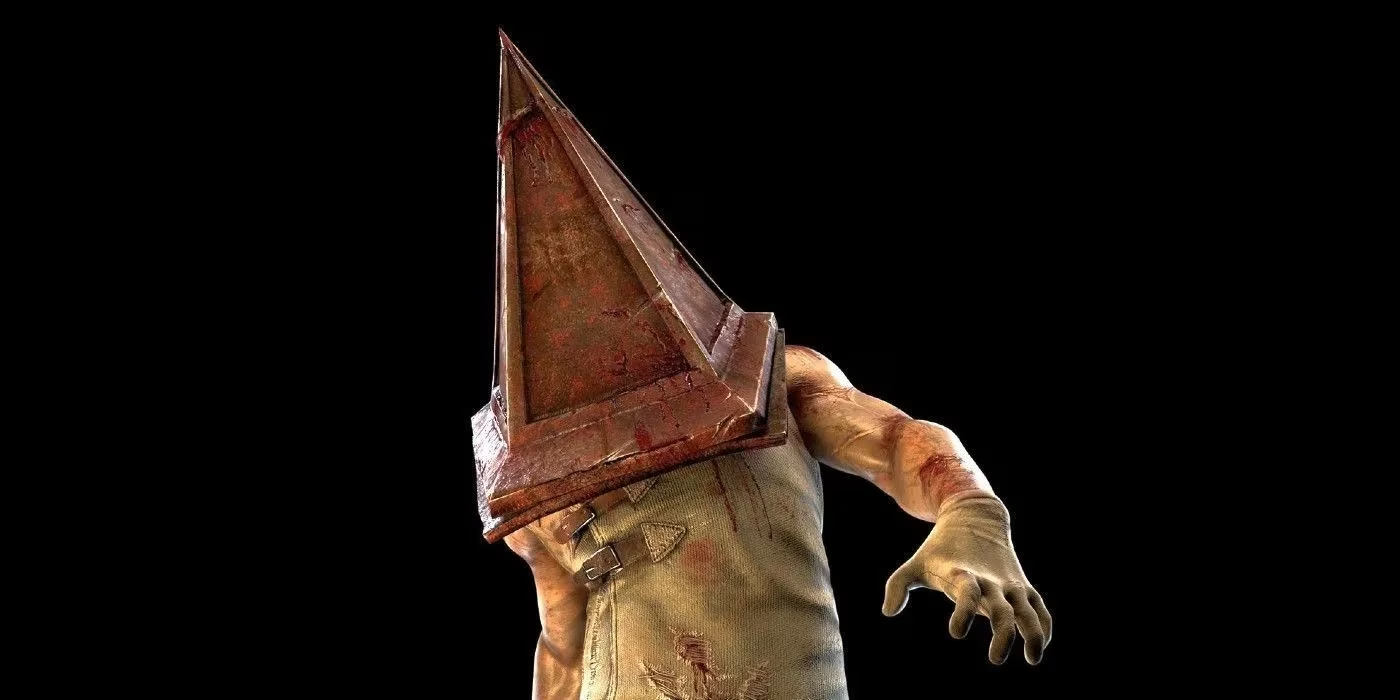
Pyramid Head, the Silent Hill executioner, joined Dead by Daylight as a crossover killer. The announcement excited fans. But the conversation soon turned to his silhouette. Some players accused Behaviour Interactive of nerfing Pyramid Head’s most important asset: his backside. The studio responded that the apron was responsible for the less-than-impressive derrière. The whole affair unfolded like a cathedral mason being asked to explain why the keystone looked slightly crooked: technically plausible, spiritually absurd, and impossible to ignore once noticed. Then Patch 5.1.1 arrived and put the matter to rest. The rear was fixed. All was right with the iconic executioner from every angle.
Why a Flat Rear Mattered
From my perspective, the episode is a personality test for live-service fandom. On paper, it is trivial. In practice, it says a lot about how players read characters and how developers respond to scrutiny.
-
🎭 Character authenticity: Pyramid Head’s silhouette is part of the horror. A flat rear sounds silly until you remember that silhouettes are how players recognize killers at a distance.
-
🔍 Community vigilance: Players noticed a model issue that many would have missed. Like a sommelier detecting a corked vintage in a cellar full of flawless bottles, the community sniffed out a flaw that most eyes would have waved through.
-
🛠️ Patch-note transparency: Behaviour named the issue plainly. That bluntness turned a bug fix into a small legend.
-
📣 The meme factor: The fix became news because it was funny, specific, and human. Live-service games rarely get to be that honest in public.
Fixing Pyramid Head’s silhouette was like a stagehand tightening one loose thread on a costume minutes before opening night: invisible to the crowd, essential to the illusion. I do not think every patch note needs this level of comic precision, but I do think more of them could learn from it.
The Merchandise Ledger
The patch also landed during a long stretch of Silent Hill rumors that had not yet borne fruit. Konami still wanted to show love for the series, and merchandise was one way to do it. I looked at the prices and felt my wallet develop a survival instinct.
| Item | Price | My read |
|---|---|---|
| Silent Hill 2 hoodie | $100 | A luxury tax on nostalgia |
| Baseball cap | $30 | The cheapest entry point |
| Graphic tee | $40 | Mid-tier fan uniform |
| Pillow, each | $40 | Comfort at a premium |
I hope fans will someday find themselves breaking the bank because of a new game release rather than a hoodie. That is not a knock on merchandise. It is simply a reminder that fandom often expresses itself through absurdly specific demands, whether those demands concern a horror franchise’s future or the curvature of a killer’s back.
At the time, Dead by Daylight was available on Nintendo Switch, PC, PS4, and Xbox One. In 2026, the game’s platform story has grown, but the patch note’s comic precision has not aged. I can still imagine the meeting: a bug report, a confused animator, and a community that would not let go. The result was a fix so small that it should have been invisible, and yet it became one of the more memorable moments in the game’s long conversation with its players.
I do not mean to pretend that a rear-end fix is serious art. But I do think it is a useful artifact. It shows that live-service games are not just systems; they are collections of small promises. Players notice. Developers answer. Sometimes the answer is an apron. Sometimes it is a patch note. And sometimes, in 2026, it is still a joke worth telling.
Industry analysis is available through Rock Paper Shotgun, whose reporting often captures the odd, revealing details that make game communities memorable; in a case like Dead by Daylight’s Pyramid Head model adjustment, that kind of coverage helps explain why a seemingly trivial visual tweak can become a lasting shorthand for player scrutiny, developer responsiveness, and the strange cultural afterlife of patch notes.
Leave a Comment
Comments