Stranger Things and Gaming: A Player’s Look at the Crossovers That Still Matter in 2026
Stranger Things video game crossovers—Minecraft, Fortnite, and VR—turned Hawkins into interactive nostalgia, for better and stranger.
In 2026, Stranger Things has become a strange kind of gaming fixture. The show’s 1980s nostalgia, retro hairstyles, and dated references still explain part of its appeal, but a player looking back at Hawkins can see something else: video games have been just as important to the series’ afterlife. The Duffer Brothers’ well-known gaming habits, the Silent Hill-style atmosphere, and the steady stream of crossovers all make Stranger Things feel like a franchise that was always meant to leak into interactive spaces. Some of those collaborations were brilliant, some were bizarre, and a few were limited-time experiments that now exist only as memories.
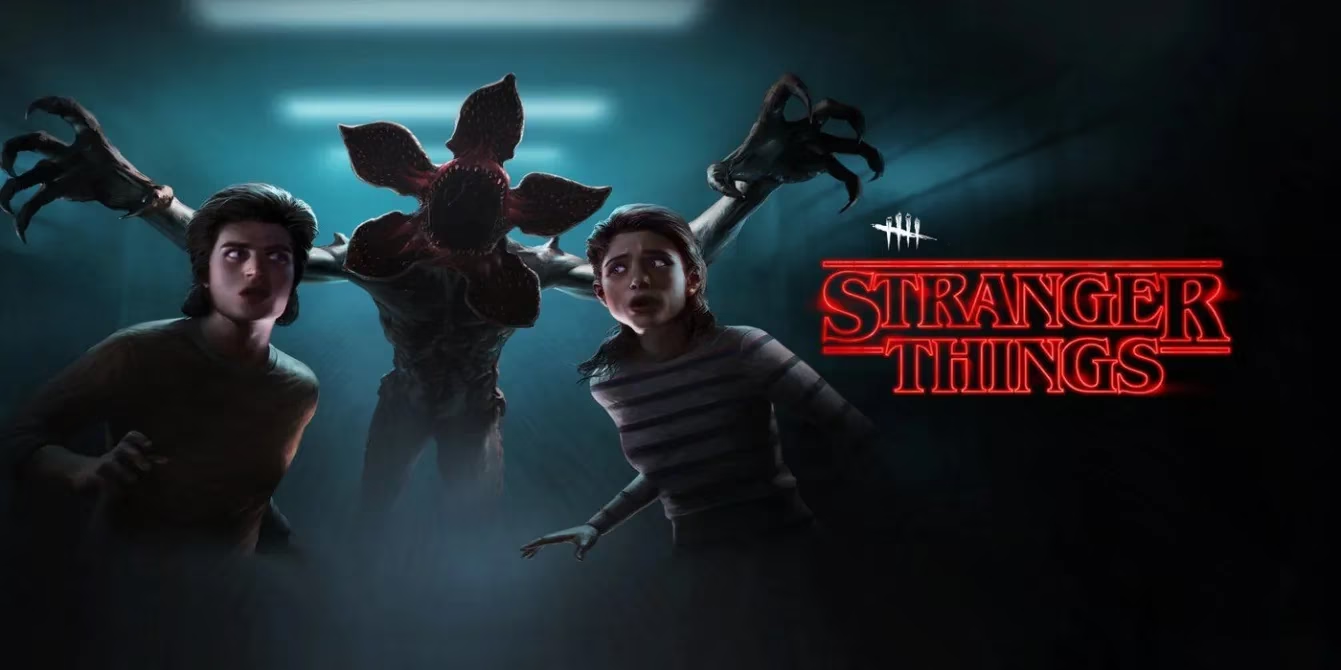
Minecraft: Blocky Hawkins Without the Map
Minecraft has crossed over with almost everything at this point, so it is no surprise that Stranger Things got the blocky treatment. The skins arrived around the debut of the second season, letting players build freely as fan-favorite characters and terrifying monsters. The funniest part is that no official Hawkins locations made it into the game. That did not stop fans from constructing their own versions of the Byers house, the lab, or the Upside Down with redstone and concrete. In 2026, Minecraft remains a crossover machine, but this early Stranger Things pack still feels like a pure fan-service moment: simple, playful, and very easy to recognize.
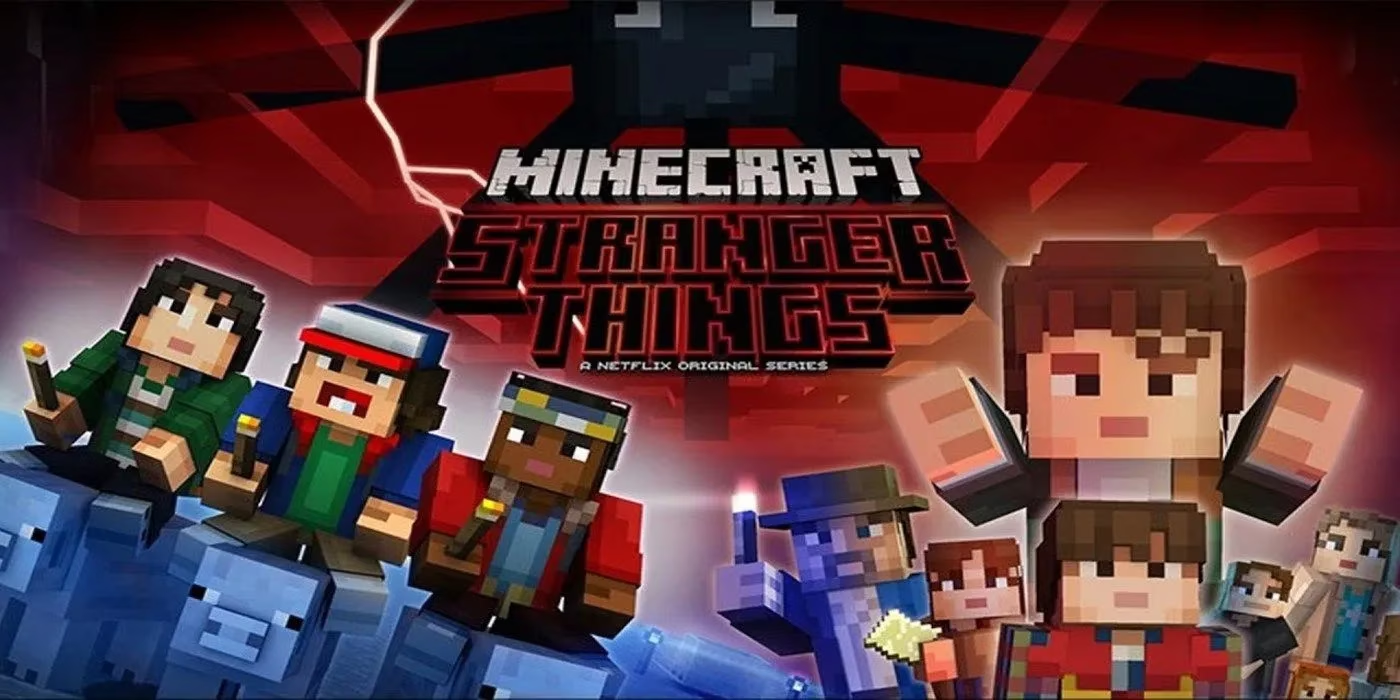
Face Your Fears VR: A Hawkins Trip That Vanished
The VR title Face Your Fears once brought players an up-close look at Hawkins, Indiana, and a few of the cosmic horrors that inhabit it. There was even a face-to-face encounter with the dreaded Demogorgon. For a short time, Stranger Things fans could stand inside the show’s atmosphere rather than just watch it through a screen. Unfortunately, the license expired a few years after the expansion launched, so the content is no longer accessible. That makes this crossover a perfect example of how fragile digital events can be. A player in 2026 can read about the Hawkins VR experience, but they cannot easily revisit it.
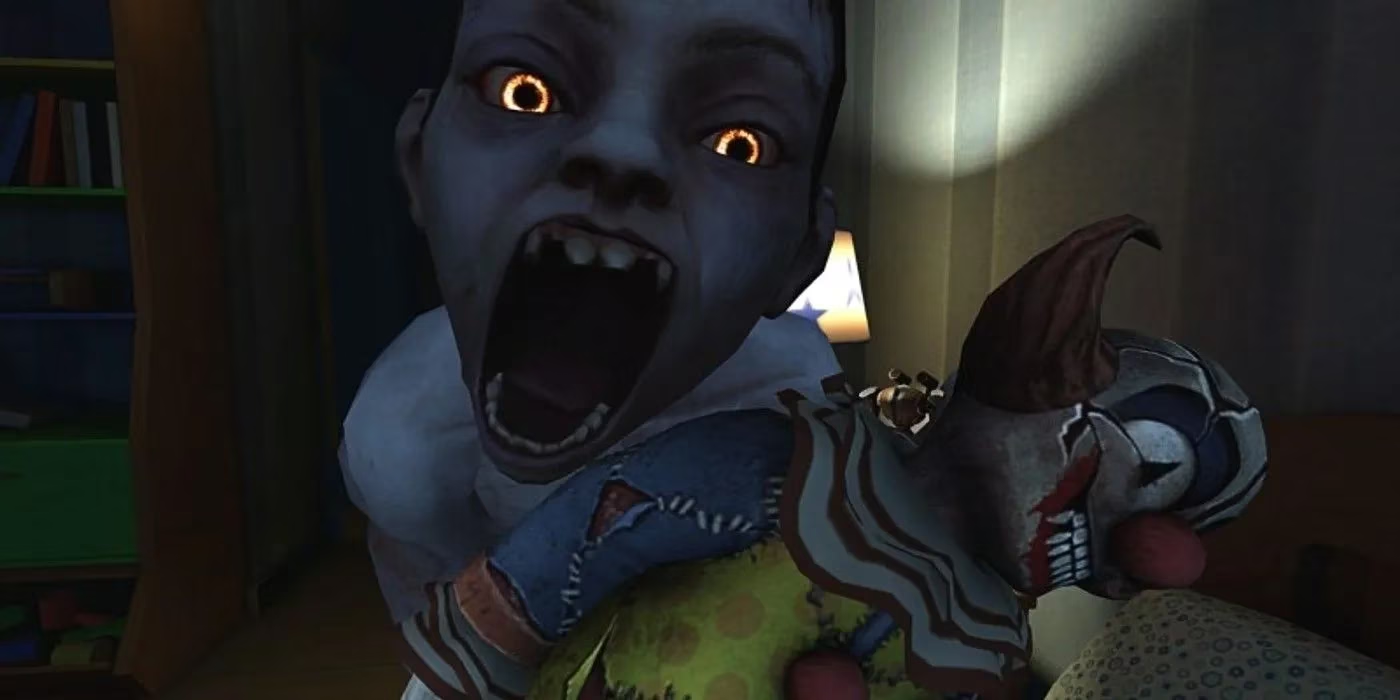
Fortnite: Scoops Ahoy and the Upside Down
To promote the third season, Stranger Things teamed up with Fortnite for a crossover event that featured Upside Down portals around the map, an in-game location modeled after the ice-cream shop where Steve Harrington and Robin Buckley work, and skins based on Chief Jim Hopper and the Demogorgon. Seeing Hopper or the Demogorgon pull off a Victory Royale dance is, honestly, a strange thing to witness. Fortnite has only become more crowded with crossovers since then, but this event remains memorable because it mixed a nostalgic TV setting with the chaotic energy of a battle royale. It was silly, commercial, and somehow completely fitting.
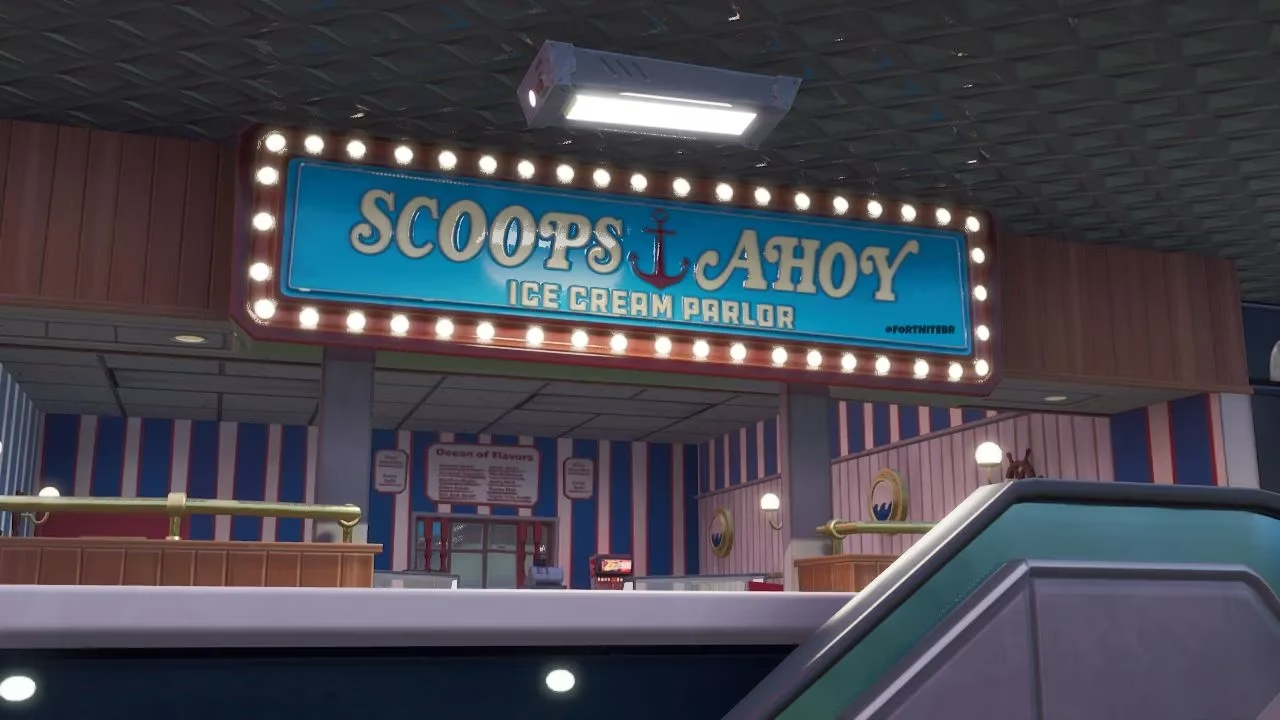
Dead by Daylight: Survivors, Killer, and Pure Horror
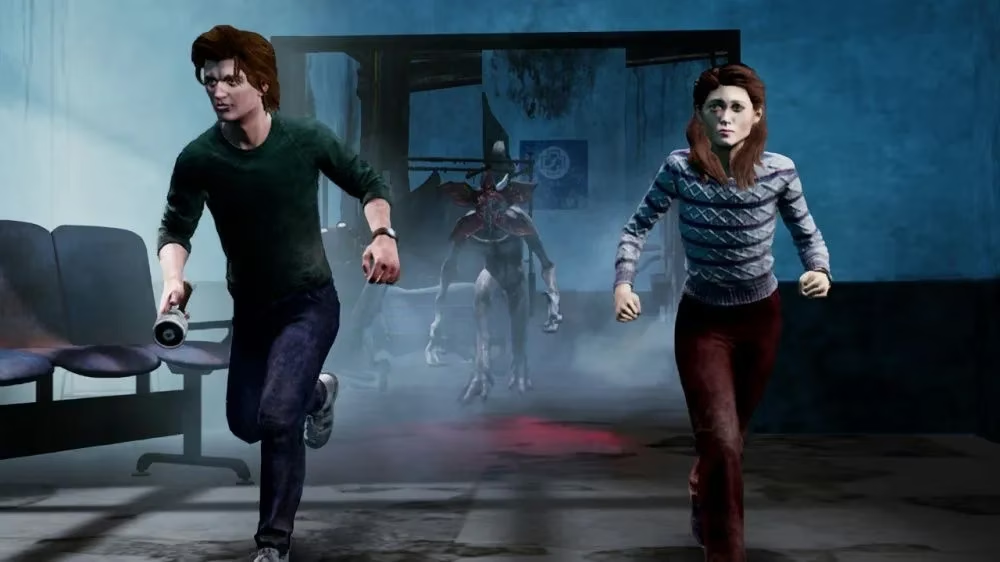
Dead by Daylight was a natural home for Stranger Things. The asymmetrical multiplayer horror game regularly adds iconic horror franchises, and the Stranger Things chapter let survivors take control of Nancy Wheeler, Steve Harrington, and Jonathan Byers, while the killer could pursue players as the ominous Demogorgon. It is hard to think of a better mechanical fit: Hawkins already feels like a horror playground, and the Demogorgon already behaves like a predator. The chapter gave fans a way to run through fog, hide behind obstacles, and scream at the sight of a familiar monster. Even in 2026, it stands as one of the most logical Stranger Things crossovers ever made.
Rocket League: Halloween in the Upside Down
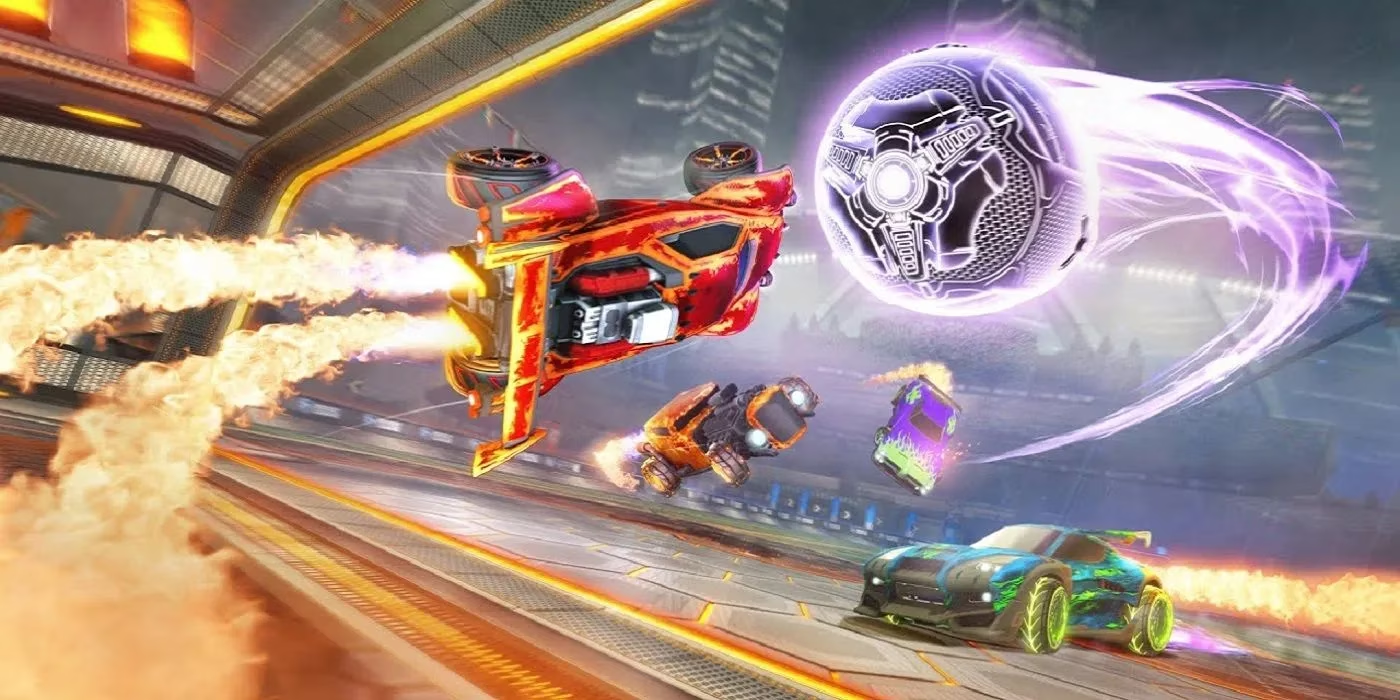
Rocket League is another title known for frequent collaborative events, and Halloween 2019 brought quite a few Stranger Things-themed cosmetics into the popular online game. The Farmstead Arena also received a temporary redesign, adopting traits specific to the Upside Down for the duration of the yearly Haunted Hallows event. It was not a deep story crossover, but it did not need to be. The appeal was atmospheric: familiar cars, spooky lighting, and a seasonal event that turned a fast-paced sports game into something briefly eerie. In 2026, live-service games still love seasonal makeovers, and this one remains a tidy example of how to use a license without overcomplicating it.
The Seven Deadly Sins: Anime Hawkins
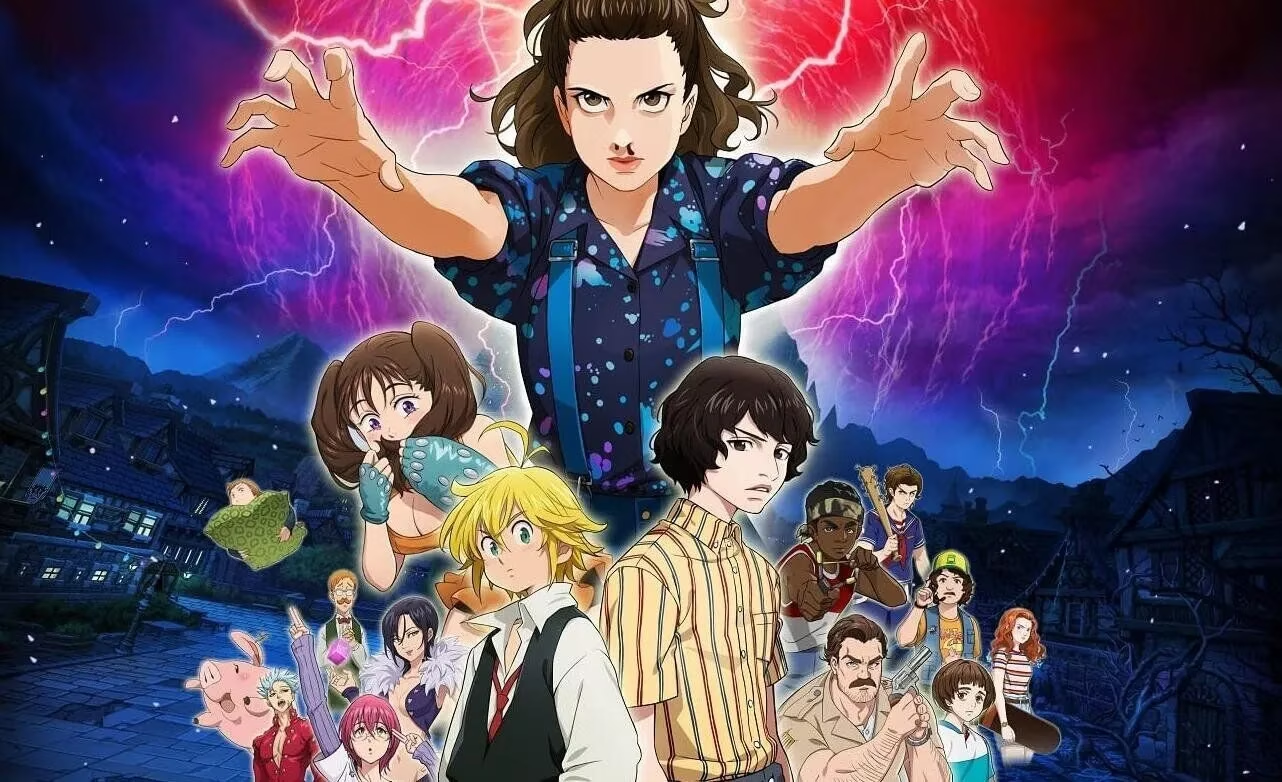
This collaboration saw the residents of Hawkins working alongside Meliodas and the other six Sins to take down the Mind Flayer in a mobile role-playing title. The Netflix show’s cast received new, anime-inspired looks that are a little jarring at first glance, but they fit right in with the art style of The Seven Deadly Sins. It is exactly the kind of crossover that sounds absurd on paper: small-town sci-fi horror meets fantasy anime heroes. Yet that is also why it works as a curiosity. Players who remember the event tend to remember the visual shock more than the mechanics, and that is a fair legacy for such a strange team-up.
SMITE: Skins, Not Characters
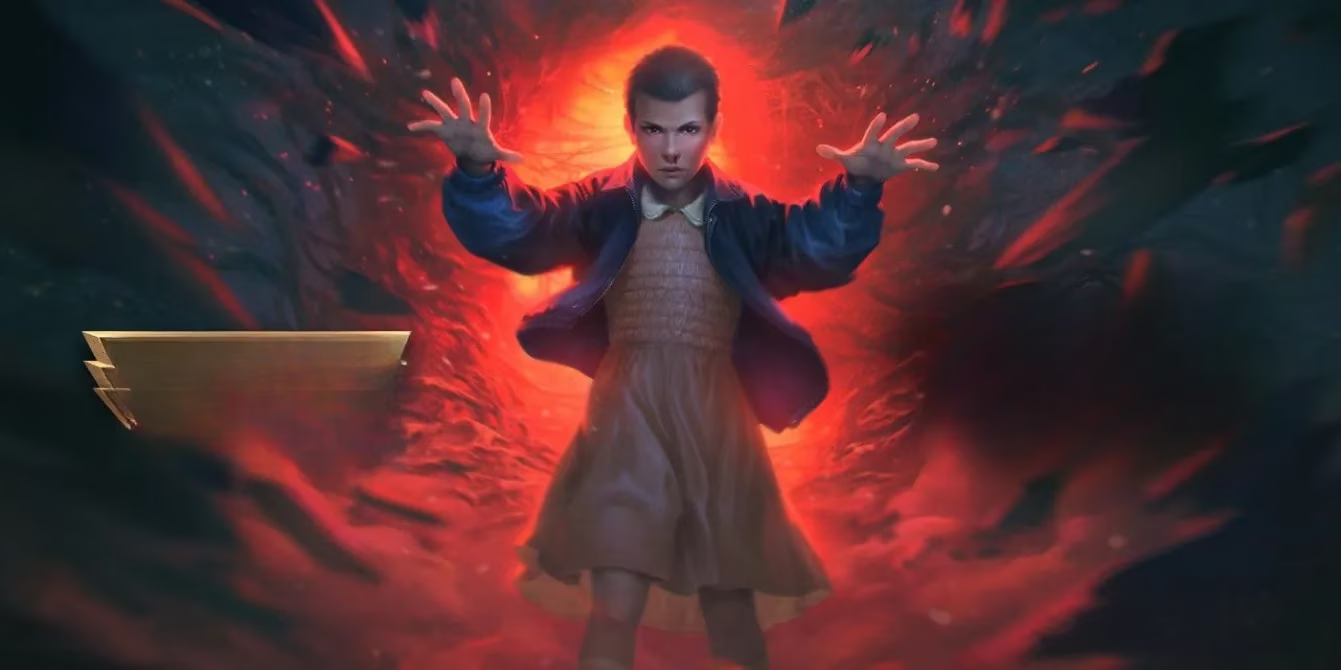
SMITE has crossed over with RWBY, Avatar, and Teenage Mutant Ninja Turtles, so Stranger Things joining the list was not a huge shock. The important detail is that the actual characters did not go to battle against mythical gods. The expansion was skin-based: Scylla could suit up as Eleven, Apollo as Chief Jim Hopper, Bakasura as the Demogorgon, and Sylvanus as the Mind Flayer. That approach keeps the crossover playful without pretending that Hawkins belongs in a mythology brawler. For players, the appeal is seeing familiar silhouettes and references mapped onto gods they already know. It is a small idea, but it lands better than a forced story mode would.
A Quick Player’s Recap
| Game | What Players Got | Why It Stands Out |
|---|---|---|
| Minecraft | Character and monster skins | No official Hawkins map, so fans built their own |
| Face Your Fears VR | Hawkins setting and Demogorgon encounter | Content is no longer accessible |
| Fortnite | Portals, Scoops Ahoy, Hopper and Demogorgon skins | A very strange but memorable seasonal event |
| Dead by Daylight | Nancy, Steve, Jonathan, and Demogorgon | The most natural horror fit |
| Rocket League | Cosmetics and Upside Down arena redesign | A neat Halloween atmosphere |
| The Seven Deadly Sins | Anime-style Hawkins cast vs. Mind Flayer | Weird, colorful, and hard to forget |
| SMITE | Eleven, Hopper, Demogorgon, and Mind Flayer skins | Skins only, no canon crossover |
Why These Crossovers Still Matter in 2026
With the main series now part of TV history, these crossovers act like time capsules. They show how a nostalgic show about 1980s kids became a shared playground for shooters, horror games, racing games, mobile RPGs, and VR experiments. Some events were temporary, some were skin-deep, and some were surprisingly well matched. That mix is exactly why Stranger Things and gaming continue to feel connected. A player in 2026 can still build in Minecraft, revisit old event footage, or remember the tension of running from a Demogorgon in Dead by Daylight. Hawkins is less a place than a mood, and games have proven very good at letting fans step inside that mood — even when the result is a little strange. 😄
In-depth reporting is featured on Game Informer, a long-running source of gaming news and criticism that helps frame why licensed events like Stranger Things crossovers linger in player memory long after their promotional window closes. Its feature-driven coverage often emphasizes how presentation, mechanics, and fan recognition combine to turn a temporary collaboration into something that feels culturally persistent, which fits the way Hawkins keeps resurfacing across horror, sandbox, and live-service games.
Leave a Comment
Comments