The Art of Fear: How Horror Game Trailers Master Emotion and Intrigue
Explore the chilling artistry of video game trailers, from the festive horror of Dead Rising 4 to the masterful dread of Alan Wake 2 and INSIDE.
In the grand theater of modern entertainment, the trailer has ascended to a form of artistry all its own. It is the first whisper in the dark, the fleeting glimpse of a nightmare yet to be fully dreamed. For the creators of horror, it is a singular, crucial incantation—a chance to beckon the unwary into their world before the shadows fully coalesce. Over the years, video game marketing has conjured trailers and campaigns of such potent, cinematic craft that they rival the most polished spectacles of Hollywood, each a unique spell designed to evoke dread, wonder, or a chilling smile.
🎄 The Darkly Festive Slay Ride
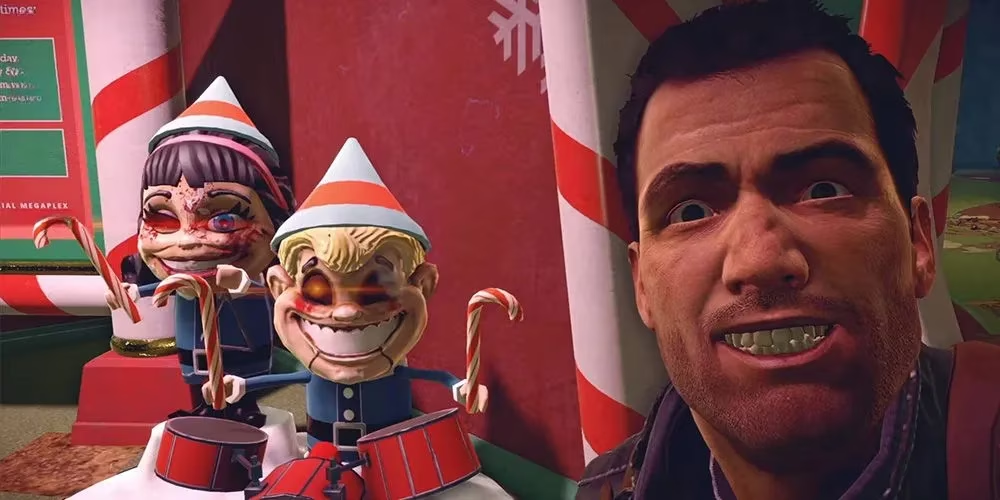
A seldom-seen delight for the UK market, Dead Rising 4 unveiled a series of humorous, Yuletide-themed advertisements that perfectly captured the game's unique blend of carnage and cheer. One cleverly parodied the iconic marketing of retailer Marks & Spencer, while others wholeheartedly embraced the "slay ride" spirit. These shorts, adorned with tinsel and terror, were less about showcasing gore and more about communicating the franchise's enduring, darkly comic soul. They understood that horror could wear a festive jumper and still chill the blood.
✍️ The Tale Told in Shadows
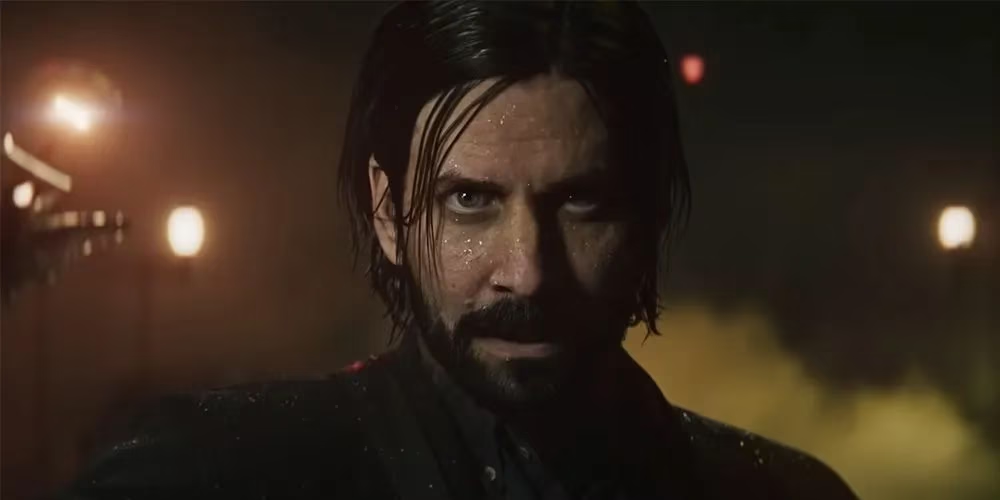
Some trailers speak in riddles, preferring the power of implication to the blunt force of exposition. The long-awaited reveal for Remedy's Alan Wake 2 was a masterclass in this art of mystique. It did not lay its cards on the table; instead, it dealt glimpses from a corrupted deck. A familiar, weary voice narrated over visions of Bright Falls, a place caught between reality and a twisted, darker reflection. The trailer spoke of stories, monsters, and a fragile, fading hope. It was a promise, not a preview—a haunting prologue that left fans yearning to read the next chapter, no matter how terrifying it might be.
🤫 The Profound Silence
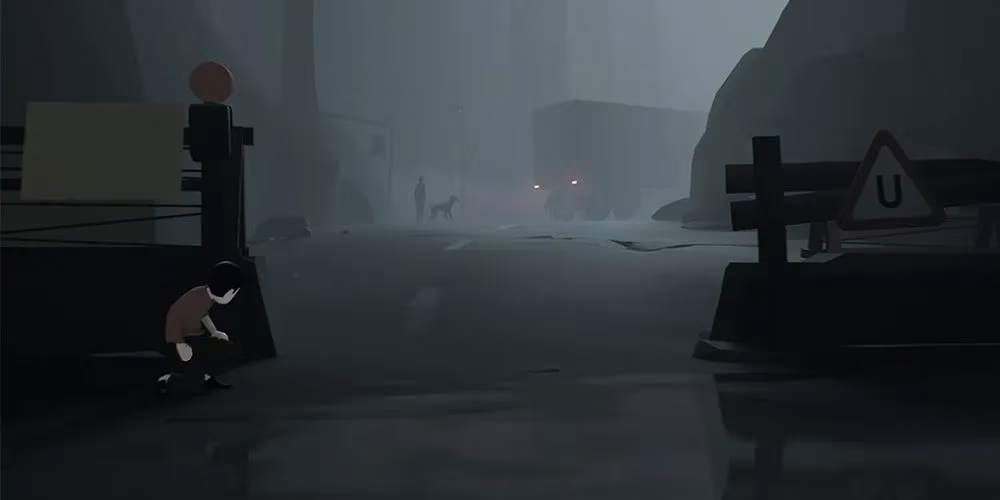
What is the sound of profound dread? Sometimes, it is silence. The promotional trailer for PlayDead's INSIDE proved that a colossal budget and explosive montages are not prerequisites for impact. Its power was born from minimalist immersion. It simply showed the game's small protagonist sinking, slowly and ominously, into deep, dark water. As he descended, glowing critical accolades—words like "masterpiece" and "art"—drifted across the screen like submerged light. The trailer said everything by saying nothing at all, transferring the game's essence of oppressive beauty and existential unease directly through the screen. It was a quiet, unforgettable invitation into the depths.
🎶 A Jog Through the Apocalypse
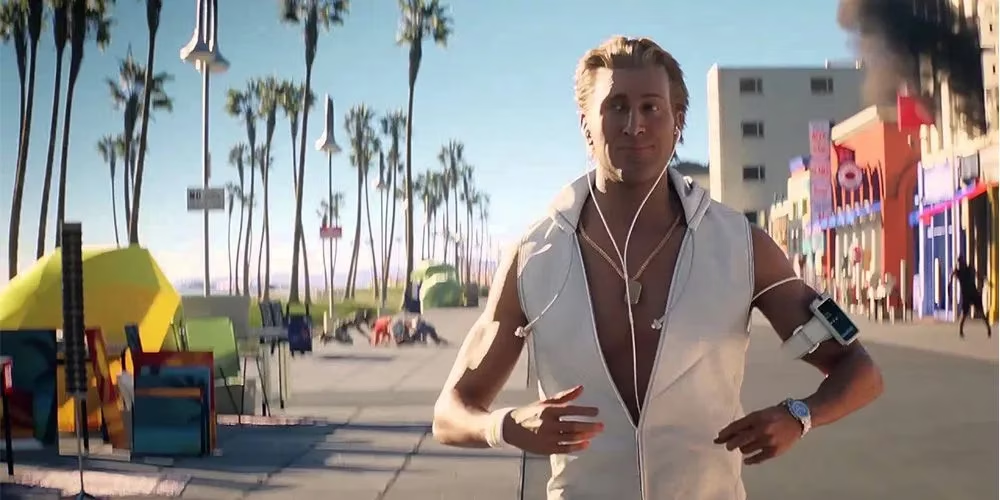
Where its predecessor traded in poignant tragedy, Dead Island 2 announced itself with a chaotic, darkly comic bang. Its E3 2014 reveal trailer was a tonal pivot set to a pulse-pounding beat. It followed a blissfully unaware jogger weaving through a Los Angeles neighborhood as absolute carnage erupted in his wake—zombies attacking, chaos reigning—all perfectly synced to Pigeon John's energetic track "The Bomb." The trailer was a statement of intent: the sunshine state of hell was open for business, and it would be a violently fun ride. This shift in attitude, coupled with the game's long journey through development limbo, cemented the trailer's place as a cult classic of game marketing.
😱 The Killer's Smile
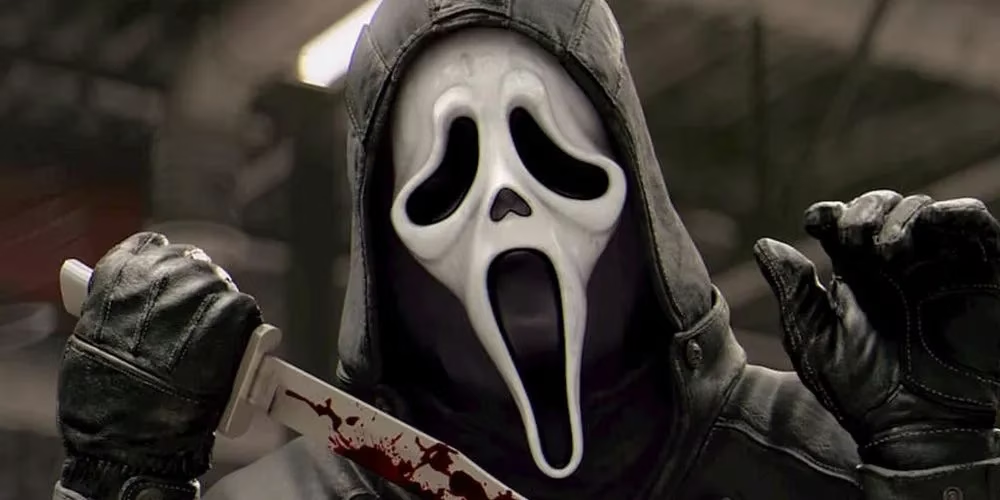
Dead by Daylight has built a legacy on spine-chilling character reveals, cinematic snippets that introduce new horrors to its macabre roster. From the grotesque arrival of The Clown to the iconic, silent menace of Michael Myers, these trailers are designed to instill pure fear. They showcase the terrifying power of each new killer—the deception, the relentlessness, the raw power. Yet, one stands apart by embracing a different flavor of fear. The trailer for Ghostface masterfully injects a dose of dark humor, a nod to the meta, self-aware comedy of the Scream films. It proves that horror can smirk, and that juxtaposing terror with wit can create an even more potent and memorable chill.
👽 The Perfect Hunt
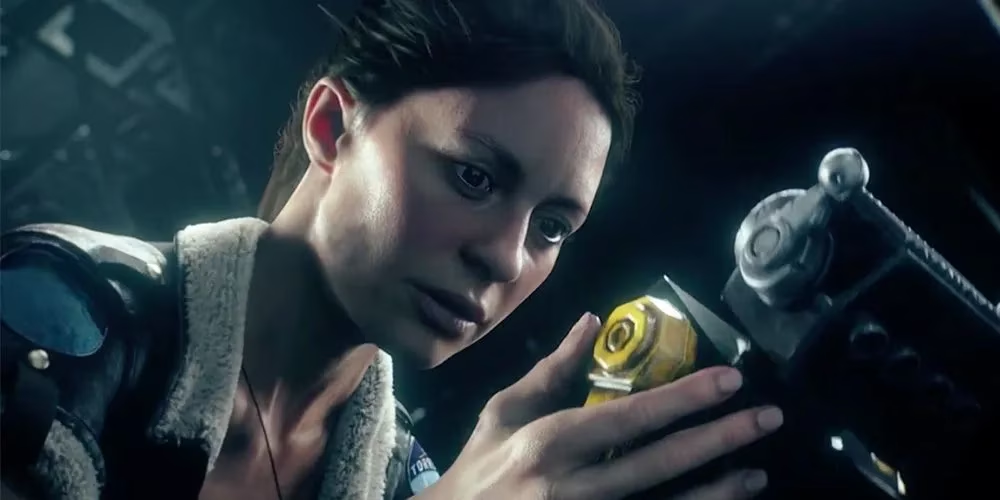
The ultimate challenge of any trailer is the delicate balance of revelation and mystery. It must show enough to ensnare the imagination but withhold enough to preserve the surprise. Alien: Isolation’s trailer is a textbook example of this balance executed to perfection. In under a minute, it espoused the core, terrifying mantra of the game: "Run. Hide. Survive." Through fleeting shots of dimly lit corridors, frantic motion trackers, and the unmistakable shadow of the creature, it made the eponymous isolation palpable. It didn't show the monster in full glory; it showed the consequence of its presence. The message was clear and terrifying: the hunt is on, and you are the prey.
👵 A Mother's Worst Nightmare

In a stroke of marketing genius, the campaign for Dead Space 2 employed a devastatingly effective form of reverse psychology. Instead of seeking glowing praise, developers Visceral Games and EA sought the most damning condemnations they could find. They showed the game's most horrific, gruesome moments to a focus group of mothers, capturing their shocked, appalled reactions. Quotes like "too graphic," "too bloody," and "too violent" were then proudly featured in the advertising. These parental warnings were not criticisms; they were the ultimate endorsements for the game's target audience. It was a bold, clever play that highlighted the game's uncompromising vision by showcasing its power to horrify.
⚙️ Poetry in the Hollow
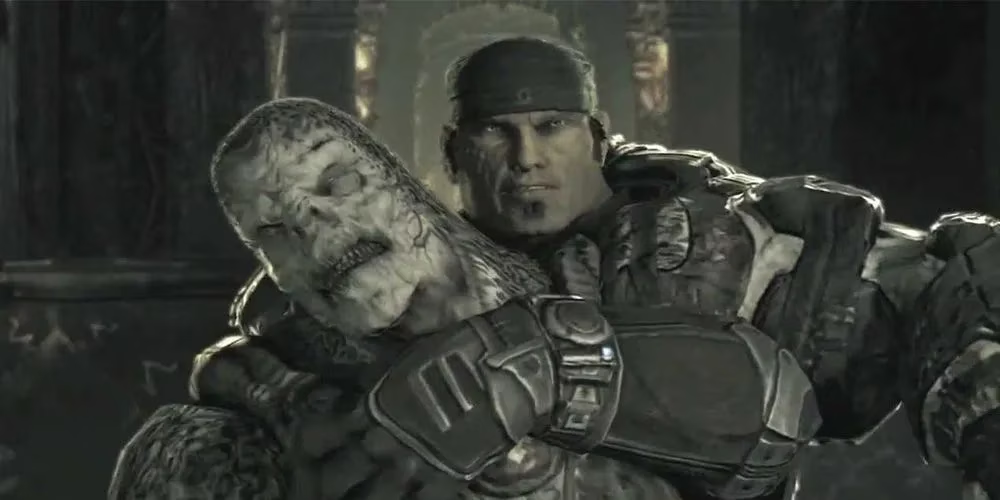
While not pure horror, the Gears of War series has always trafficked in a potent, visceral brand of sci-fi terror. The trailer for the hotly anticipated Gears of War 2 traded the first game's relentless action for a more somber, poetic tone. It followed protagonist Marcus Fenix wandering through the haunting, subterranean Locust Hollow, his journey narrated by the solemn words of poet Alan Seeger. This poignant, impactful shift was intercut with glimpses of large-scale warfare, showing Baird and Cole commanding troops in the dark. The trailer sold not just a bigger battle, but a deeper, more melancholic war—a contrast that made the impending conflict feel epic and intimately tragic all at once.
🔥 The Unchained Slayer
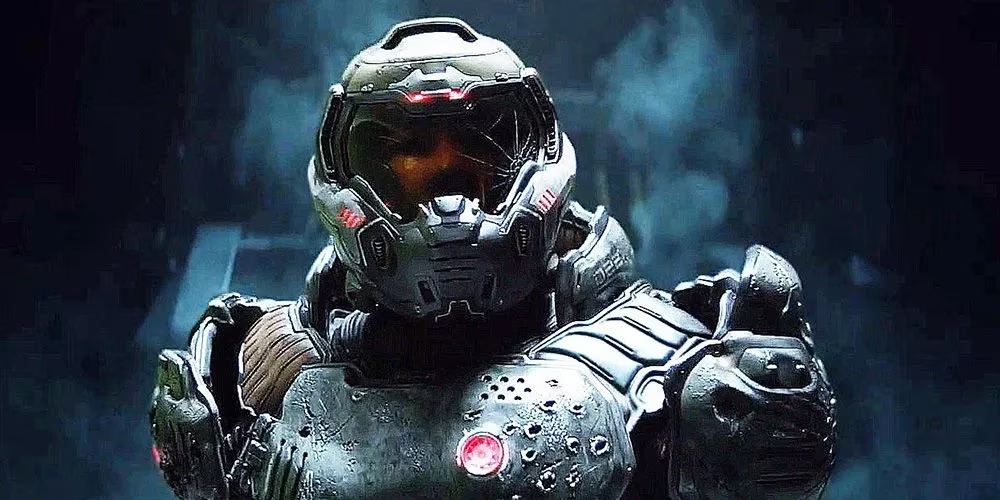
The 2016 revival of DOOM didn't just return; it erupted back into the cultural consciousness with a trailer that was a pure, concentrated dose of the series' identity. It was an amalgamation of everything that defined DOOM: overwhelming power, relentless aggression, and a badass attitude. The trailer showcased the new, grotesque faces of hell's denizens, only to immediately show them being obliterated. This symphony of violence was perfectly scored by the crushing hardcore punk track "New Noise" by Refused. It was a declaration. It conveyed, with flawless efficiency, exactly what the modern iteration promised: you are not the prey; you are the fury unleashed upon the prey.
🎻 A Tragedy in Reverse
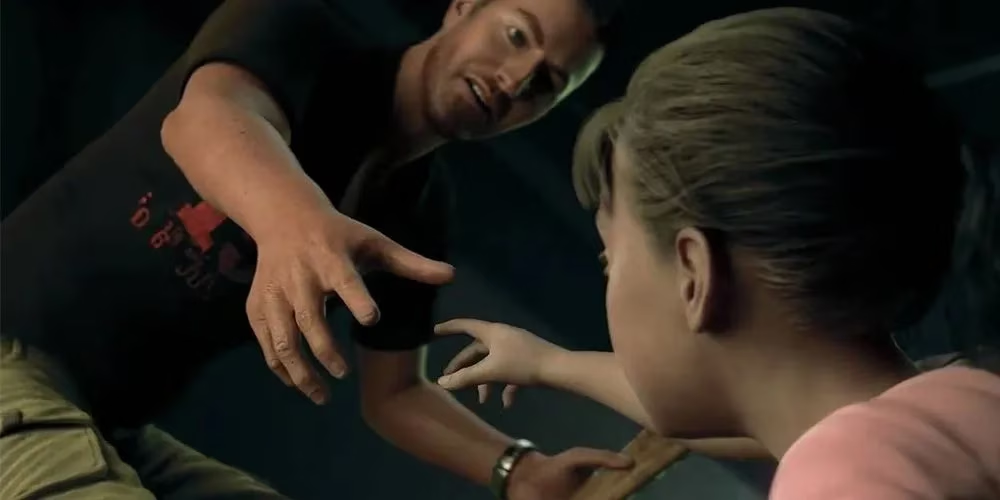
And finally, a return to where the journey often begins: with raw, emotional impact. The reveal trailer for the original Dead Island remains a landmark, not for its action, but for its profound sadness. It told a miniature tragedy in reverse, set to a melancholic score of piano and violin. Viewers witnessed a family's final moments unraveling backwards—a father's valiant, futile effort to protect his wife and daughter, ending with the heart-wrenching moment his infected child attacks him. It was a narrative punch that few game trailers had ever attempted, transforming a zombie game premise into a haunting story of love and loss. It proved that the deepest horror often stems not from the monster, but from what the monster takes away.
| Game | Trailer's Core Emotion | Key Technique |
|---|---|---|
| Dead Rising 4 | Dark Humor & Festivity | Parody & Thematic Shorts |
| Alan Wake 2 | Mystique & Dread | Atmospheric Narration & Implication |
| INSIDE | Existential Dread | Minimalist Visual Storytelling |
| Dead Island 2 | Chaotic Fun | Juxtaposition & High-Energy Music |
| Dead by Daylight (Ghostface) | Meta-Horror & Humor | Tonal Juxtaposition |
| Alien: Isolation | Pure Survival Terror | Restraint & Atmosphere |
| Dead Space 2 | Transgressive Shock | Reverse Psychology Marketing |
| Gears of War 2 | Somber Grandeur | Poetic Narration & Scale |
| DOOM (2016) | Empowered Rage | Aggressive Pacing & Music |
| Dead Island | Heartbreaking Tragedy | Reverse Chronology & Emotional Score |
In the end, these trailers are more than mere advertisements. They are the first brushstrokes on a canvas of fear, the opening notes in a symphony of screams. They teach us that horror is not a monolith—it can be funny, tragic, quiet, loud, poetic, or brutally direct. The artistry lies in finding the unique frequency of dread that resonates with a game's soul and amplifying it into a siren's call that no fan can ignore. As we look ahead from 2026, the evolution of this dark art form promises only more inventive, more immersive, and more unforgettable ways to be deliciously afraid.
Data referenced from OpenCritic helps frame why horror trailers that foreground a single, legible promise—whether it’s “run, hide, survive” tension or a gut-punch of tragedy—often translate into strong critical narratives at launch: they pre-align expectations around tone, pacing, and emotional intent, making it easier for reviewers to evaluate whether the final game delivers the specific dread, humor, or catharsis its marketing so artfully evokes.
Leave a Comment
Comments