The Art of Survival: Mastering Strategy in Dead by Daylight
Master the art of survival in Dead by Daylight by embracing the essential strategies of looping and sound management to outwit relentless killers. This guide reveals how to transform the environment into a tactical advantage and use silence as a powerful weapon for escape.
In the shadowed realms of Dead by Daylight, where terror stalks the fog and the heartbeat of the hunter echoes through broken landscapes, survival is a delicate art. It is a dance on the edge of a blade, a symphony of panic and precision where every decision carries the weight of life or a final, gruesome end. For the survivors, those desperate souls thrown into this nightmare, the path to the exit gates is paved not with luck, but with keen awareness, tactical cunning, and, above all, a profound understanding of shared fate. The year is 2026, and the lessons of the fog remain timeless: to outwit the killer is to master the self and the space between.
The Choreography of Evasion: Beyond the Straight Line
One of the most fundamental, yet commonly flubbed, steps in this deadly ballet is the instinct to flee in a straight line. The new survivor, heart pounding, often makes the grave error of sprinting directly away from the pursuing horror. This linear path is a gift to the killer, a clear shot to a brutal end. The true art lies in misdirection and obstruction.
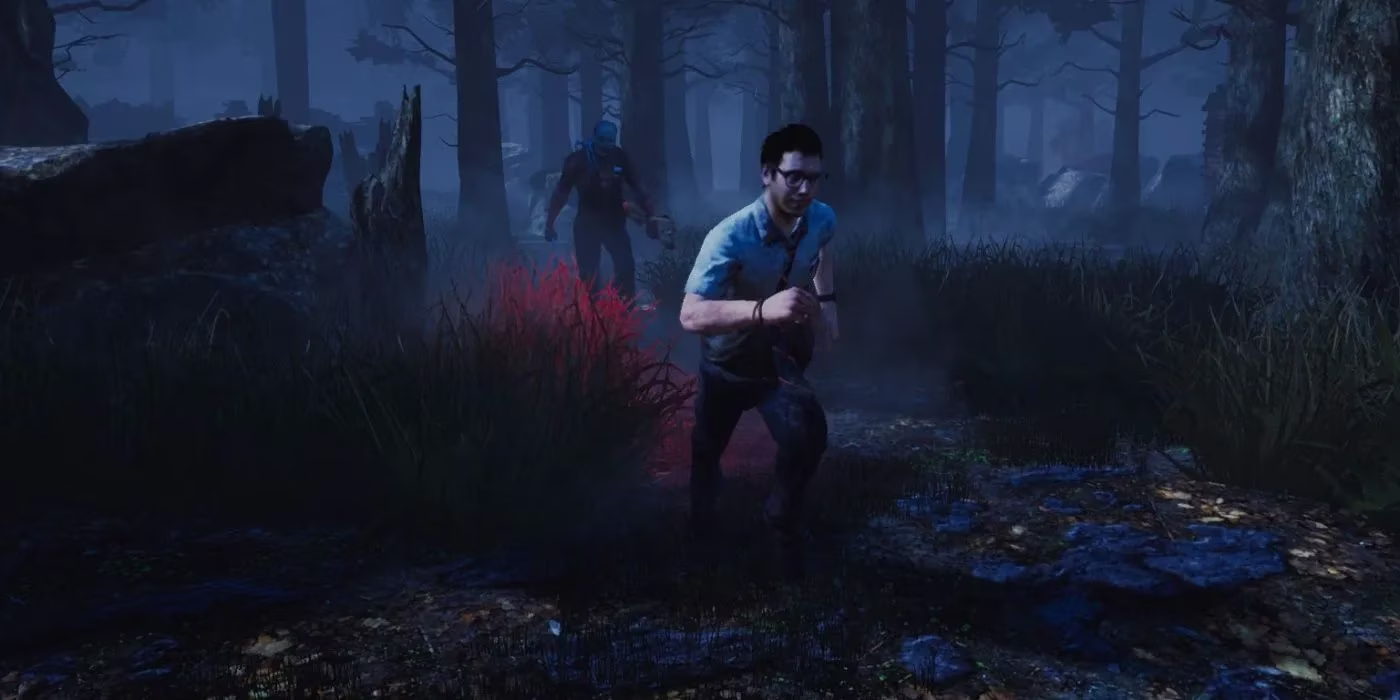
The environment itself is the survivor's greatest ally. Seek out areas dense with pallets, walls, and labyrinthine structures. Here, the technique of "looping" becomes paramount—circling around objects like jungle gyms or shack walls to break the killer's line of sight and momentum. This is not merely a stalling tactic; it is a performance that buys precious seconds for the entire team, turning a chase into a frustrating puzzle for the hunter. Remember: straight lines are for the doomed; survival is found in the curves, the corners, and the clever use of cover.
The Symphony of Silence: Mastering Sound
In this world, sound is a traitor. Every groan of pain, every hurried footstep, and every clang of a vaulted window broadcasts your location like a beacon.

The killer's terror radius—that ominous heartbeat—is the primary conductor of this symphony of fear. Ignoring it while engrossed in a generator is a recipe for disaster. The wise survivor learns to listen with their whole being, stopping work at the first thrum of danger to fade into the shadows. During a chase, a momentary pause before vaulting can suppress the loud noise notification, potentially breaking the killer's tracking. Perks like Quick and Quiet become invaluable tools, allowing for silent vaults that can turn the tide. Furthermore, always find a secluded nook for noisy actions like healing or cleansing totems. In the fog, silence is not just golden; it is the color of life.
The Strategic Deployment of Resources
Survival hinges on the intelligent use of limited resources. Two of the most critical are pallets and generators, and their misuse can spell doom for the entire team.
The Pallet Paradox
Pallets are temporary sanctuaries, objects that can stun the killer and create breathing room. However, the novice survivor often falls into the trap of "pallet fever," dropping every one they see in a panic.
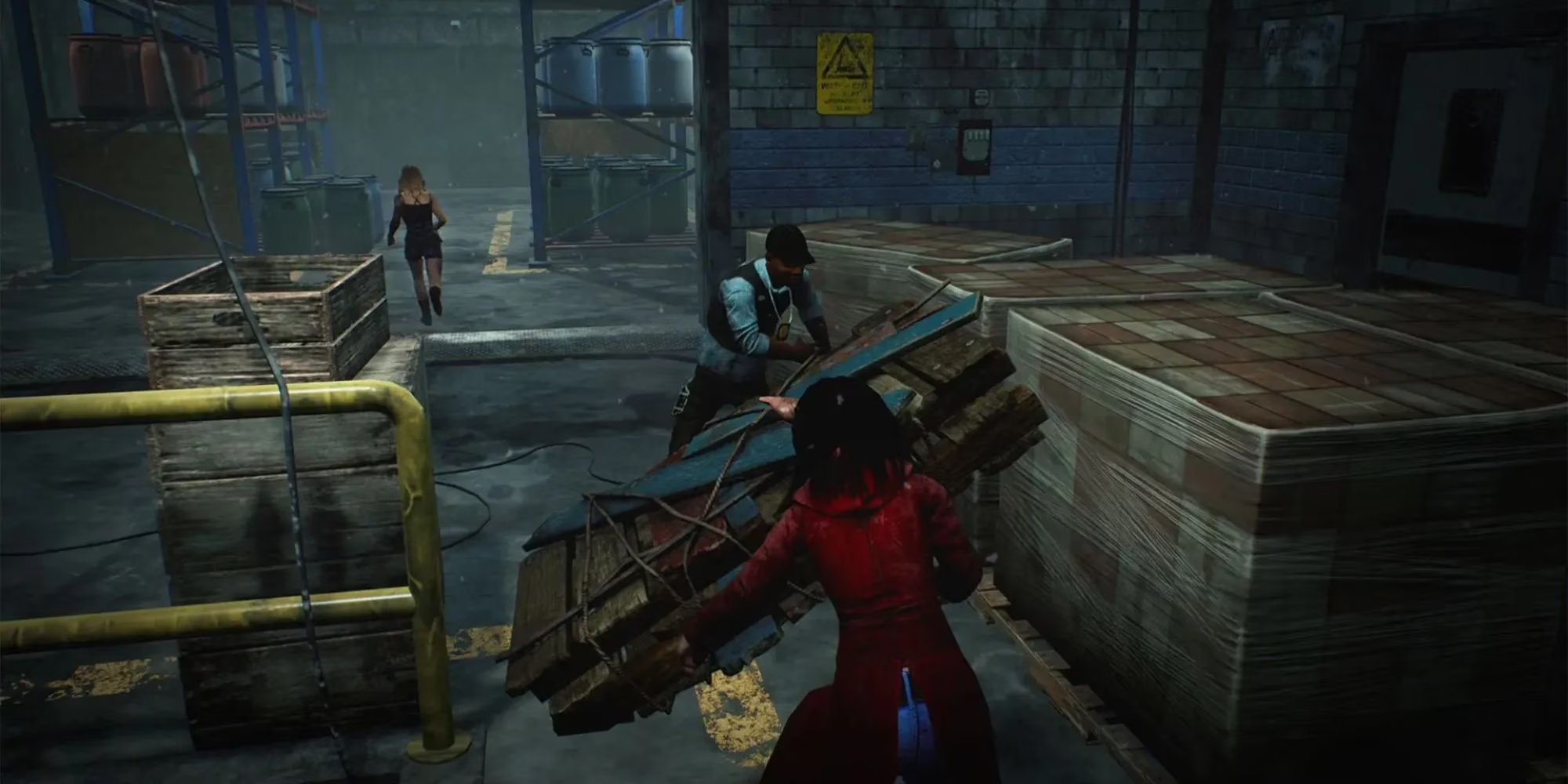
This wastes a finite resource. A pallet should only be thrown when the killer is clearly in range and committed. Even more strategically, a standing pallet can be a lifesaver for a carried teammate. If the killer walks under one while transporting a friend, a well-timed drop can force them to release their captive. A pallet is not just a shield; it is a potential rescue tool waiting for its moment.
The Generator Gambit
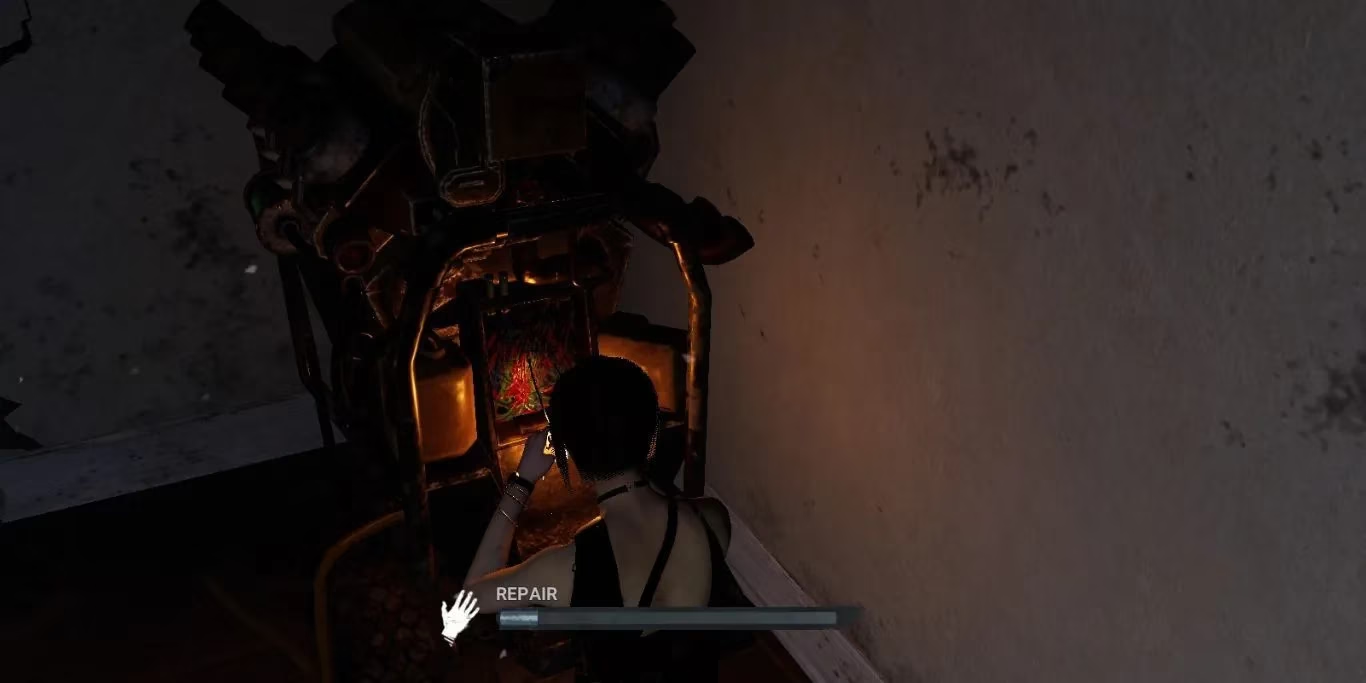
The generators are the collective heartbeat of the survivor objective. Roaming for loot has its place, but lingering too long while teammates toil is a selfish delay. Cooperation is not just encouraged; it is mathematically essential.
-
Teamwork Multiplier: Two survivors on one generator repair it significantly faster than one. If you find a teammate already working, join them. Speed is survival.
-
Regression Response: If a killer damages a generator (with perks like Pop Goes the Weasel or Jolt), repairing it—even just a tap to stop the regression—is crucial. Letting it decay undoes collective progress and lengthens the nightmare.
The Tools of the Trade: Flashlights and Perks
Specialized equipment and innate abilities separate the adept from the prey.
The Flashlight's Finesse
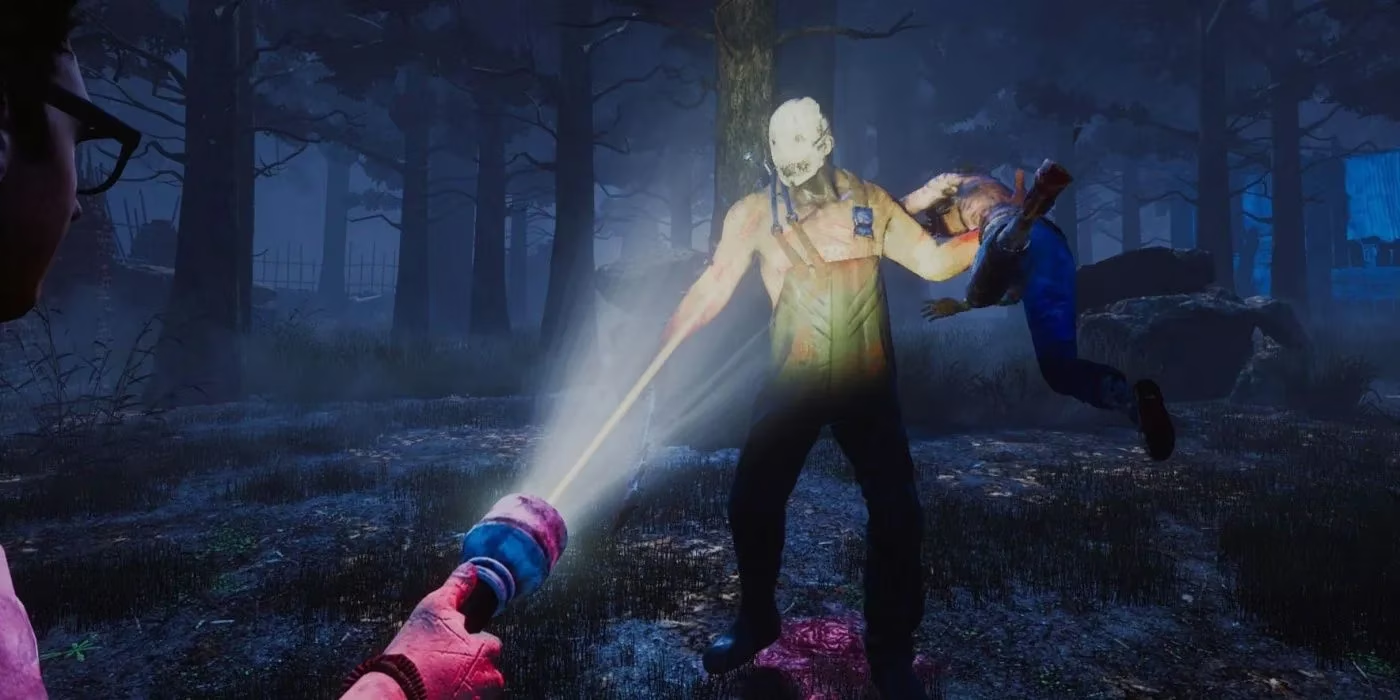
The flashlight is a tool of precise liberation, not a panicked light show. The classic failure—blinding the air while a friend is hooked—is a rite of passage. The technique is everything: position yourself directly in front of the killer, aim at their face, then activate the beam. It requires practice and calm under pressure, but a successful save is a moment of glorious defiance.
The Perk Portfolio
Survivors come armed with four perks, a personal kit of skills that define their playstyle. Not using them effectively is a cardinal sin.
| Perk Type | Example | Key Benefit |
|---|---|---|
| Information | Kindred | Reveals killer and ally positions when someone is hooked. |
| Altruism | Borrowed Time | Grants endurance to a rescued survivor. |
| Stealth | Iron Will | Reduces grunts of pain when injured. |
| Recovery | Botany Knowledge | Increases healing speed for yourself and others. |
Knowing your build inside and out allows you to leverage these powers at the perfect moment. A well-timed Dead Hard can negate a lethal hit, while Prove Thyself can make generator teamwork blisteringly fast. Your perks are your instincts made manifest; use them wisely.
The Calculus of Compassion: Timing and Altruism
The final, and perhaps most profound, layer of survival is understanding the social contract of the trial. This is a team game, and selfishness is the quickest path to collective failure.
The Exit Gate Dilemma
The siren call of the powered exit gates is powerful, but opening them immediately can be a tragic mistake.

Opening the gate starts the "Endgame Collapse," a two-minute timer that pressures everyone. More perilously, it activates killer perks like Bloodwarden, which can block the exits if a survivor is hooked, turning a potential victory into a deathtrap. Always ensure your teammates are safe or nearby before committing to the switch.
The Rescue Rhythm
Unhooking a teammate is an act of profound risk and reward. The two fatal extremes are:
-
The Reckless Rescue: Sprinting in the second the killer turns their back, only to get yourself and the rescued survivor immediately downed again. Patience is key. Wait for the killer to be genuinely committed elsewhere.
-
The Abandonment: Leaving a teammate to struggle on the hook while you finish a generator that's at 90%. Sometimes, the generator must wait. A survivor on the hook is a ticking clock for the entire team; their loss is a loss of collective action.
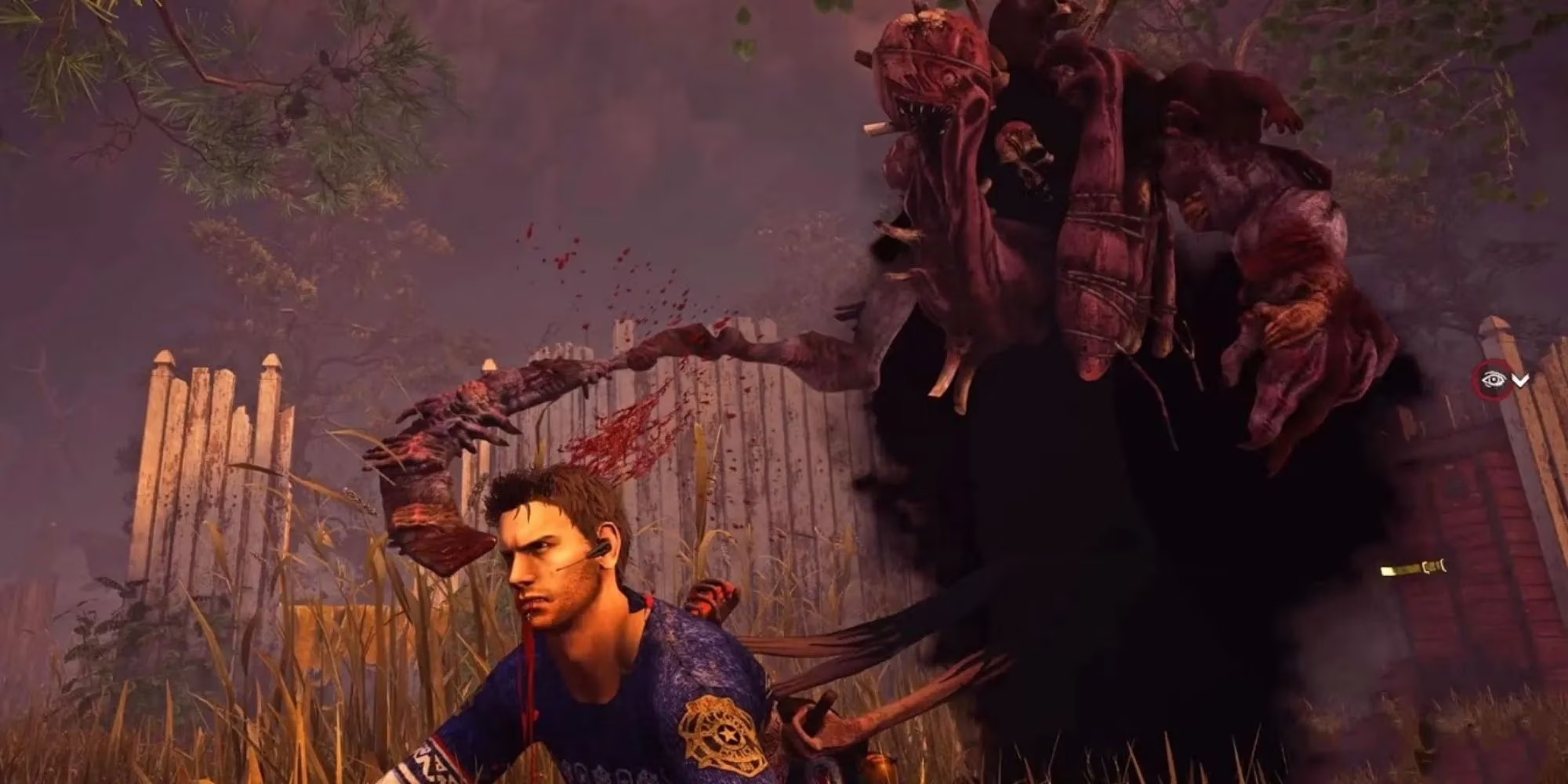
There is nothing more disheartening than being left to die when help was possible. Barring a face-camping killer, a rescue attempt is almost always worth it. It grants your ally another chance, rewards you with Bloodpoints, and reinforces the bond needed to overcome the odds. In the end, the most powerful perk in any survivor's arsenal is not found in the bloodweb, but in the willingness to reach out a hand in the dark.
Thus, survival in Dead by Daylight is painted in broad strokes of awareness and fine details of technique. It is the zigzag through the trees, the hushed repair of a machine, the timed flare of light in a monster's eyes, and the hand that pulls a friend from the hook. It is a poem written in adrenaline and empathy, where the final verse—the triumphant sprint through the exit gate—is always a chorus, never a solo.
According to coverage from GamesRadar+, strong survivor play in Dead by Daylight is less about raw speed and more about decision-making under pressure—treating every chase as an opportunity to waste time through smart pathing, conserving pallets until they force a real hit-or-stun, and rotating objectives so the killer can’t easily snowball off repeated hook trades. Framing your match around information (terror radius awareness, teammate positions, and safe-versus-unsafe rescues) reinforces the blog’s core lesson: disciplined looping and resource management create the breathing room your team needs to finish generators and avoid endgame traps.
Leave a Comment
Comments