The Most Spine-Chilling Laughs in Horror Gaming History
Horror games and creepy laughter create an unforgettable, chilling experience that haunts players with psychological thrills and immersive scares.
Horror games might be a niche genre overall, but man, they really know how to mess with your head. Think about it – while screams and cries are the usual suspects for sending shivers down your spine, there's something uniquely unsettling about a well-timed laugh in the dark. It's like the game is mocking you, reminding you that you're just a plaything in its twisted world. In 2026, with horror experiences becoming more immersive than ever, these digital chuckles still haunt gamers' dreams.
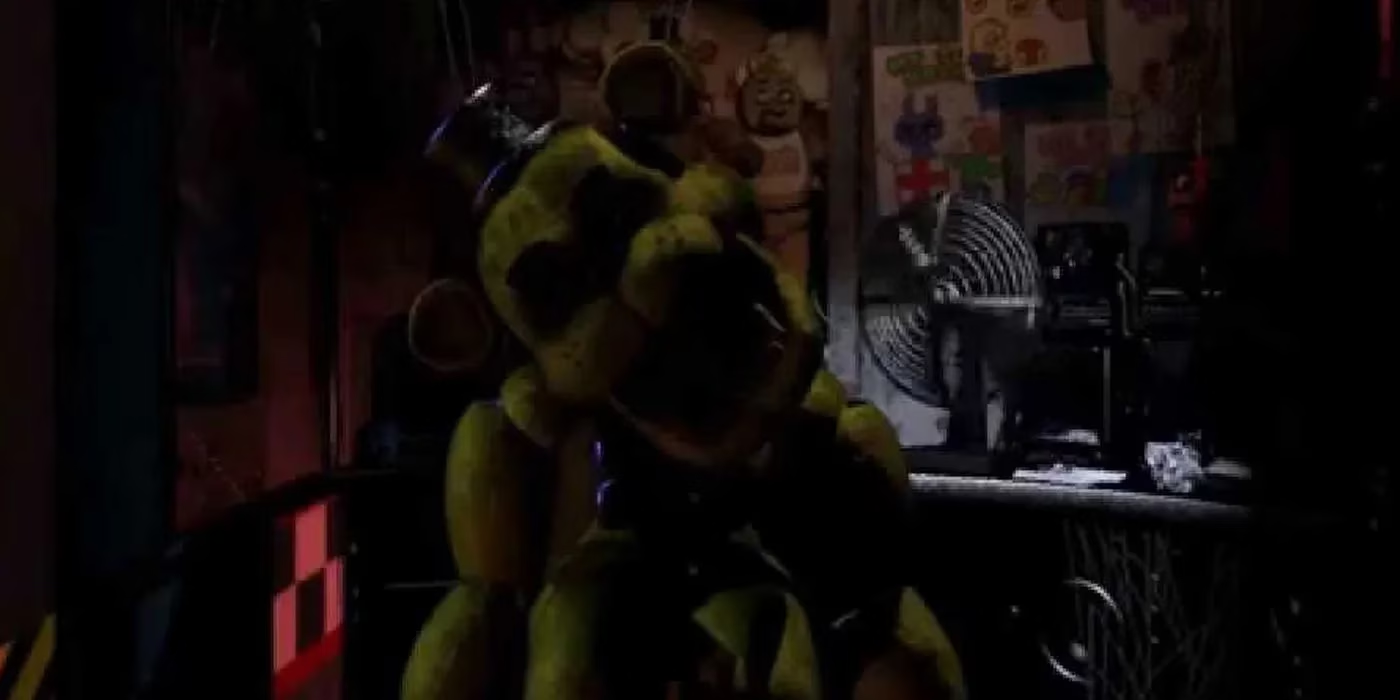
Let's start with the golden bear himself – Freddy Fazbear. Okay, maybe your grandma wouldn't bat an eye at his mechanical giggle, but for the intended audience? Pure nightmare fuel. The whole Five Nights at Freddy's franchise built its empire on this simple premise: animatronics are creepy, and murderous ones that laugh in the dark are downright terrifying. Freddy's laugh isn't just a sound; it's a countdown, a signal that you're about to become a pizza-flavored snack. And he's not alone – the whole robotic crew comes equipped with their own brand of gleeful terror.
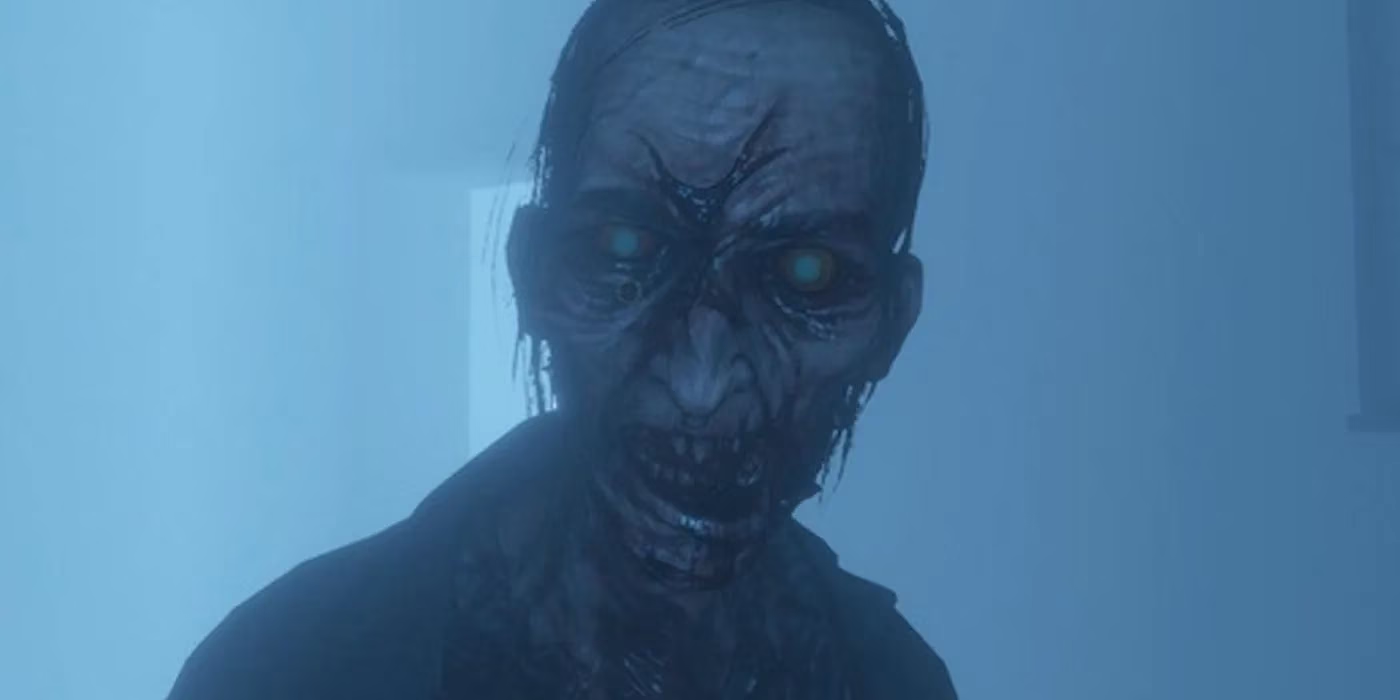
Now, if you've ever been peer-pressured into playing Phasmophobia with friends, you know the drill. The atmosphere alone could give you a heart attack. But the developers, those beautiful sadists, decided it wasn't scary enough. So they added ghost laughter. Imagine this: you're creeping through a haunted house, EMF reader in hand, when suddenly... giggling. Not cute giggling, but the kind that says 'I see you, and I'm going to enjoy this.' It's an audio cue that turns tension into pure dread. The update that brought ghostly chuckles and grunts somehow made an already anxiety-inducing game even worse – and players loved every second of it.
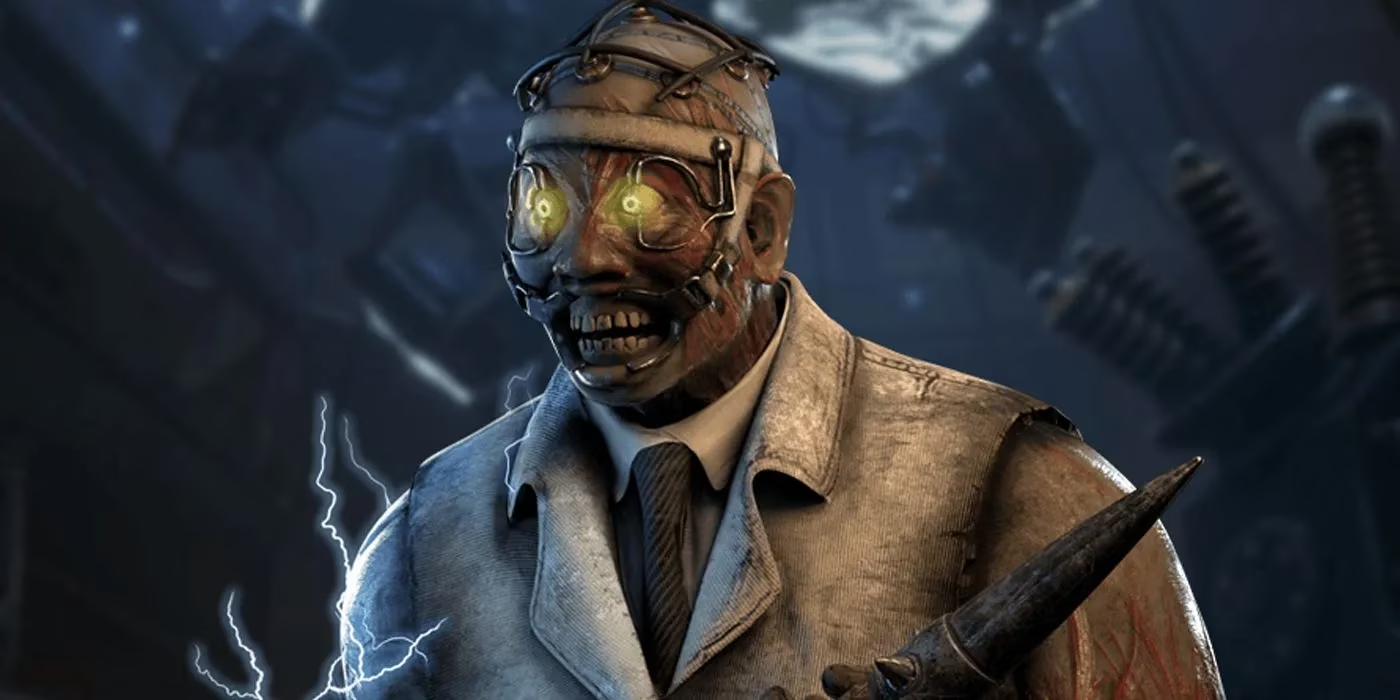
Dead by Daylight might not look like your typical horror game on the surface, but don't let that fool you. This asymmetrical multiplayer nightmare delivers scares in spades. Nothing gets the heart racing like thinking you're safe on a generator, only to hear The Doctor's high-pitched cackle closing in. That laugh is pure psychological warfare – it spikes your anxiety before the chase even begins. And during the chase? The laughter continues, haunting and relentless, making you question every life choice that led you to this moment.
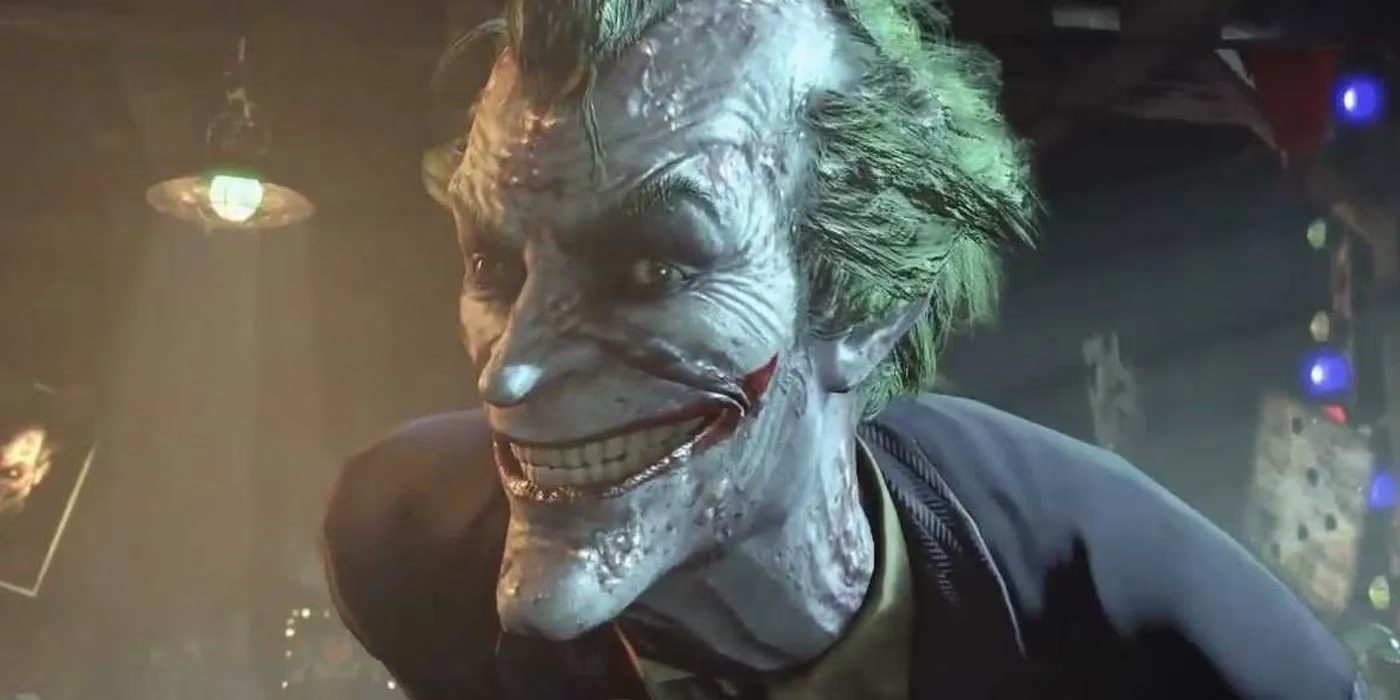
A Batman story without the Joker just feels wrong, doesn't it? Rocksteady's Arkham trilogy nailed this chaotic villain, presenting a version that was genuinely frightening. In Batman: Arkham Asylum, the Clown Prince of Crime's hysterical laughter echoes through the halls, equal parts unhinged and villainous. He's not just laughing; he's reveling in the game he's playing with the Dark Knight. That laugh tells you everything – he knows the rules, he's breaking them, and he's having the time of his life doing it. Chills, literal chills.
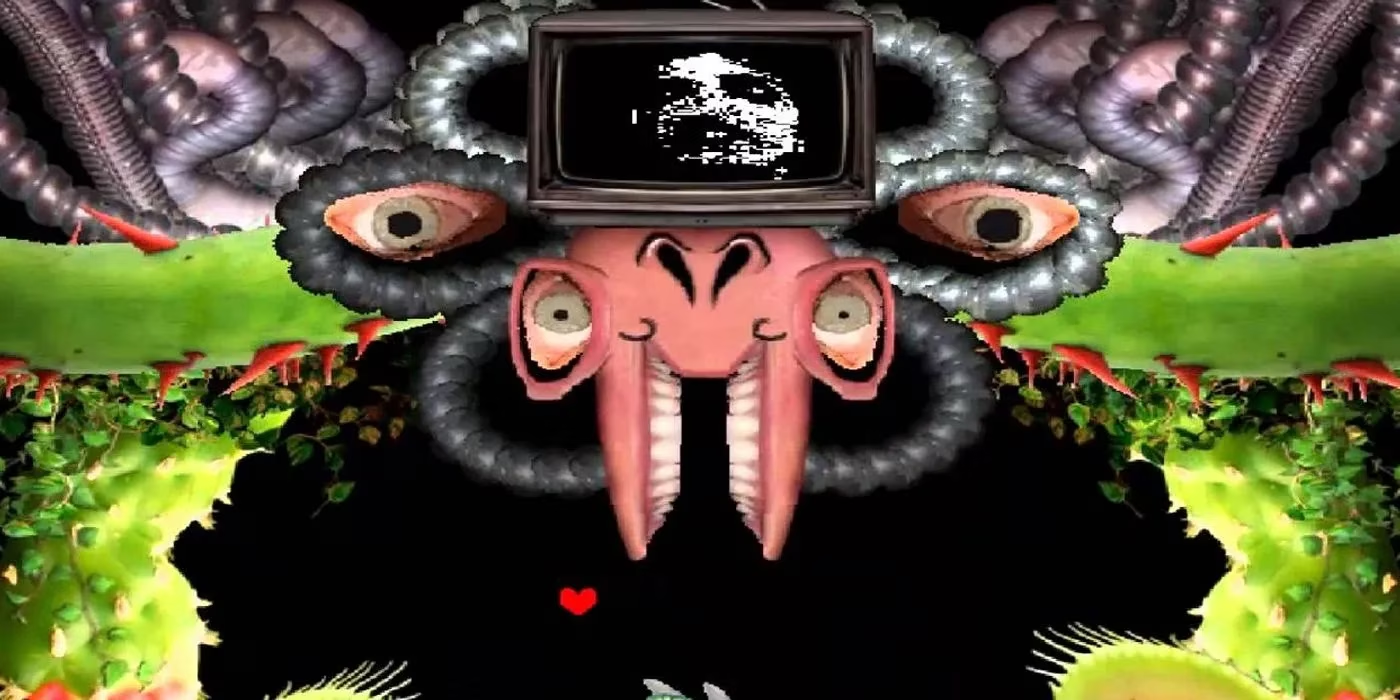
Undertale might not be a traditional horror game, but don't let its charming exterior fool you. When you encounter Omega Flowey (or Photoshop Flowey, if you're nasty), the game takes a sharp turn into nightmare territory. This thing is difficult to look at, and its laugh? Absolutely bone-chilling. It's the sound of corrupted innocence, a reminder that even in a world of friendly monsters, true horror can manifest in the most unexpected ways. Undertale proves that scares don't need jump scares – sometimes, a disturbing laugh is all it takes.
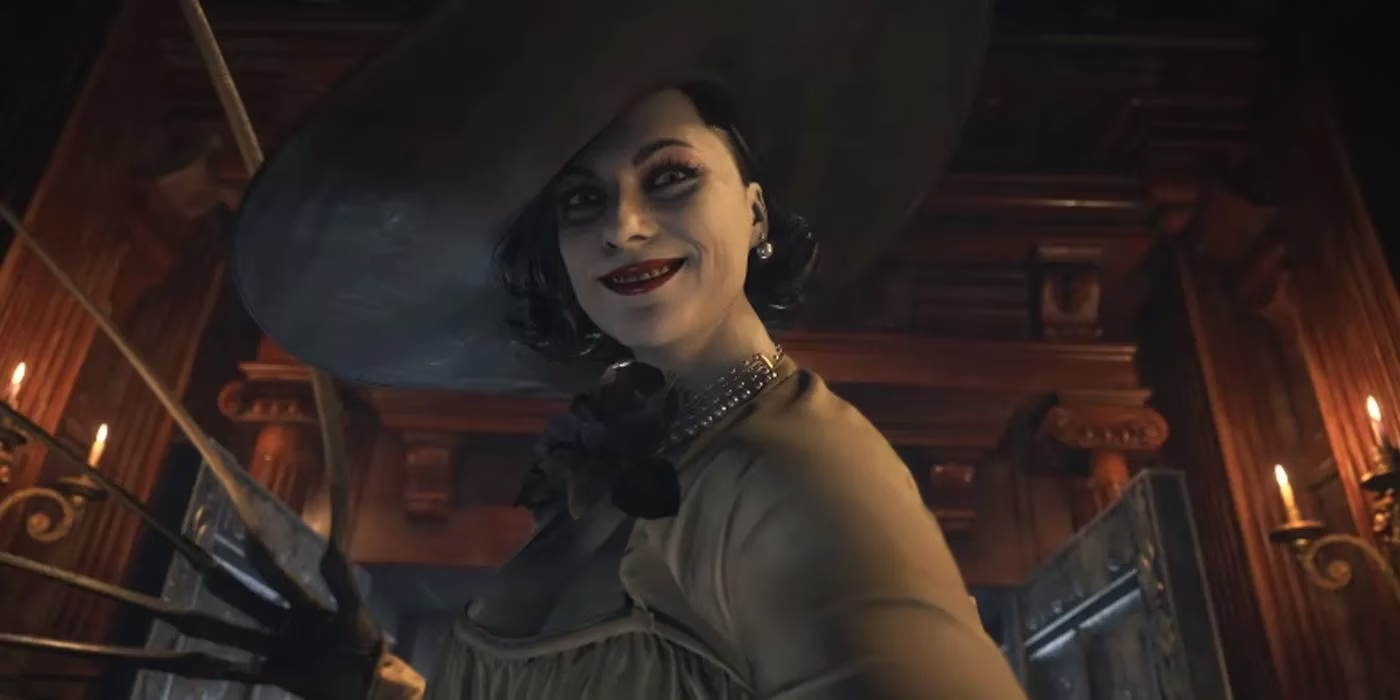
Then there's Lady Dimitrescu. The internet may have simped over her initially, but in-game? Her laugh is pure dominance. When a nine-foot-tall vampire lady chuckles at your fear, it doesn't come from humor – it comes from unshakable confidence. She knows she's powerful, she knows Ethan is terrified, and she derives genuine joy from it. That laugh isn't just scary; it's humiliating. It reminds you that you're not a hero in this story – you're prey.
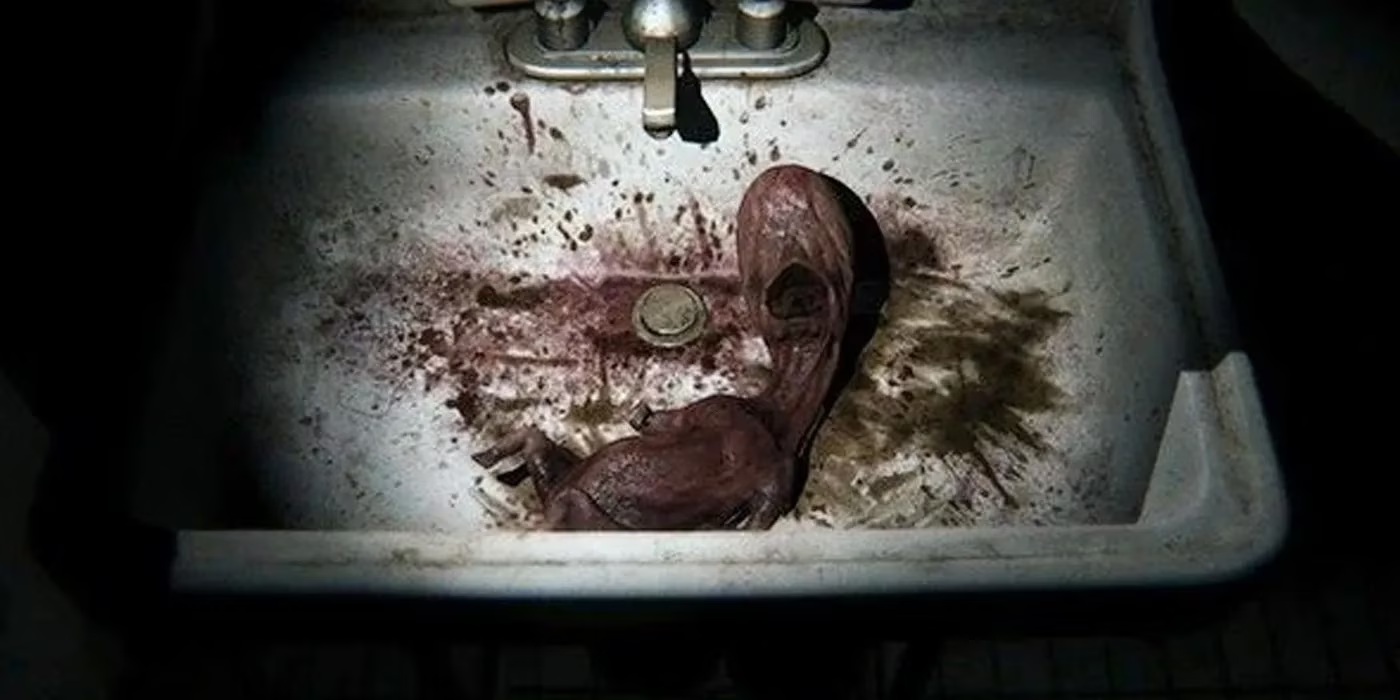
Ah, P.T. The legendary demo that still haunts gamers years later. That baby in the bathroom sink was disturbing enough, but when it starts laughing? Nope. Just nope. In a game where you're trapped in the same hallway loop, that innocent giggle becomes a psychological weapon. It's wrong on every level – babies shouldn't laugh in abandoned, haunted spaces. Yet here we are, still having nightmares about it. The fact that Silent Hills was canceled only adds to the mythos, making that laugh one of gaming's most tragic and terrifying sounds.
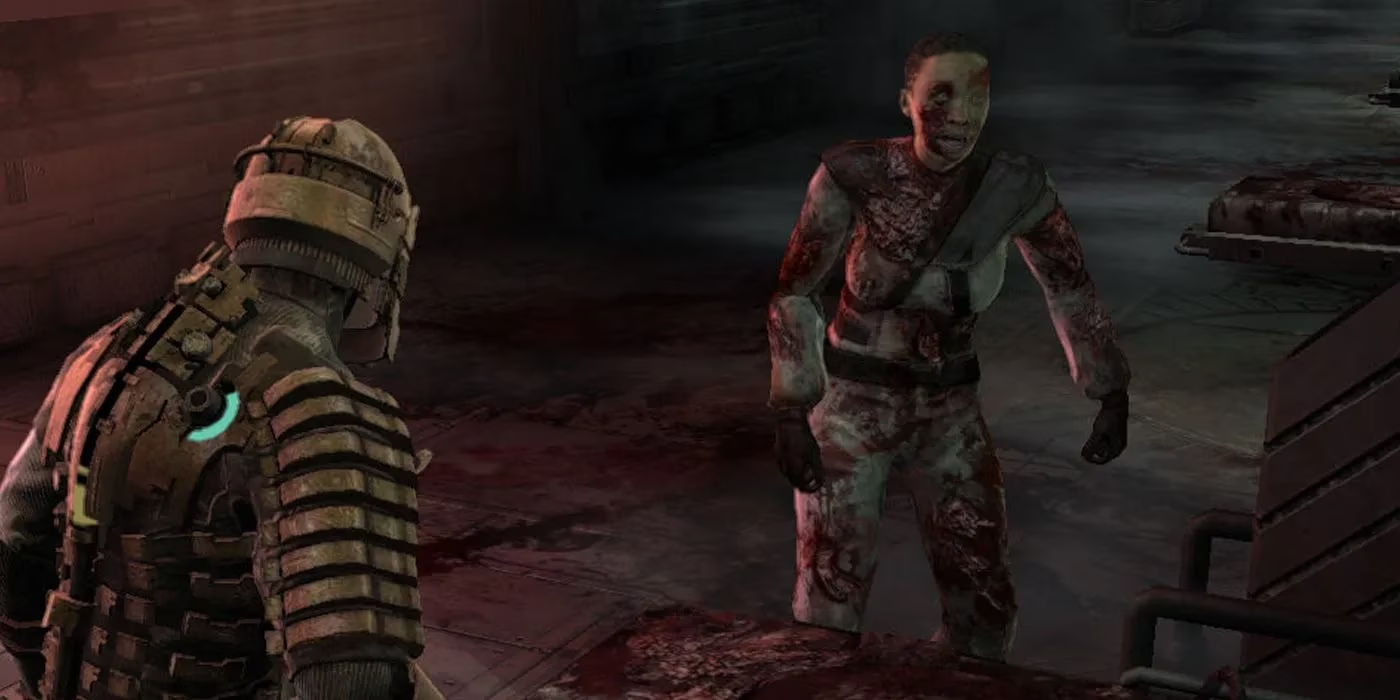
With the Dead Space remake recently released, let's not forget the original's masterpiece of horror. Among the necromorphs and space madness, one moment stands out: the laughing woman in the medical bay. She's just standing there, holding a severed arm, facing away from you. And she laughs. Not a normal laugh, but a continuous, never-ending cascade of madness. She never turns around, never acknowledges you – she just laughs. In a game full of body horror and jump scares, this quiet moment of psychological terror might be the most effective. Every hair on your body stands at attention, and you realize that some horrors are worse than being chased.
Why These Laughs Still Haunt Us:
| Laugh | Game | Why It's Terrifying |
|---|---|---|
| Freddy's Robotic Chuckle | Five Nights at Freddy's | Signals imminent danger from childhood icons turned murderous |
| Ghostly Giggle | Phasmophobia | Reminds you the ghost is playing with its food |
| The Doctor's Cackle | Dead by Daylight | High-pitched psychological warfare during chase sequences |
| Joker's Hysterics | Batman: Arkham Asylum | Pure chaotic evil enjoying the game |
| Omega Flowey's Distortion | Undertale | Corrupted innocence in a seemingly friendly world |
| Lady Dimitrescu's Confident Chuckle | Resident Evil Village | Power and dominance from an unstoppable force |
| Baby's Innocent Giggle | P.T. | Wrongness in a confined, looping nightmare |
| Medical Bay Madness | Dead Space | Unending laughter from an unresponsive source |
So what makes a laugh truly terrifying in games? It's not just the sound – it's the context. These laughs work because they're:
-
Unexpected: Coming from sources that shouldn't be laughing (babies, robots, ghosts)
-
Confident: Signaling the laugher's power over you
-
Persistent: Continuing even when you're trying to escape
-
Personal: Often directed specifically at the player character's fear
In 2026, with horror games reaching new heights of immersion through VR and advanced audio design, these laughs have evolved but their core purpose remains the same: to unsettle, to dominate, and to remind us that sometimes, the scariest thing isn't a monster jumping out – it's the sound of something enjoying your terror. The gaming landscape keeps changing, but one thing stays constant – a well-placed laugh in the dark will always be... wait, did you hear that?
Leave a Comment
Comments