The Most Terrifying Nurses in Horror Games
Horror games transform the nurse archetype into a terrifying symbol, blending medical imagery with psychological dread for chilling effect.
Medicine is supposed to be a sanctuary of healing, a realm where broken bodies are mended and life is cradled back from the brink. Yet horror games delight in twisting this comforting image into something deeply unsettling. The nurse, once a symbol of care, becomes a predator in starched white, a malformed shadow stalking the antiseptic corridors. This perversion of the Hippocratic oath into a covenant of pain gives these characters a unique power to frighten. In the hands of talented designers, medical uniforms and syringes morph into implements of dread, proving that the most chilling horror often blooms where we least expect safety.
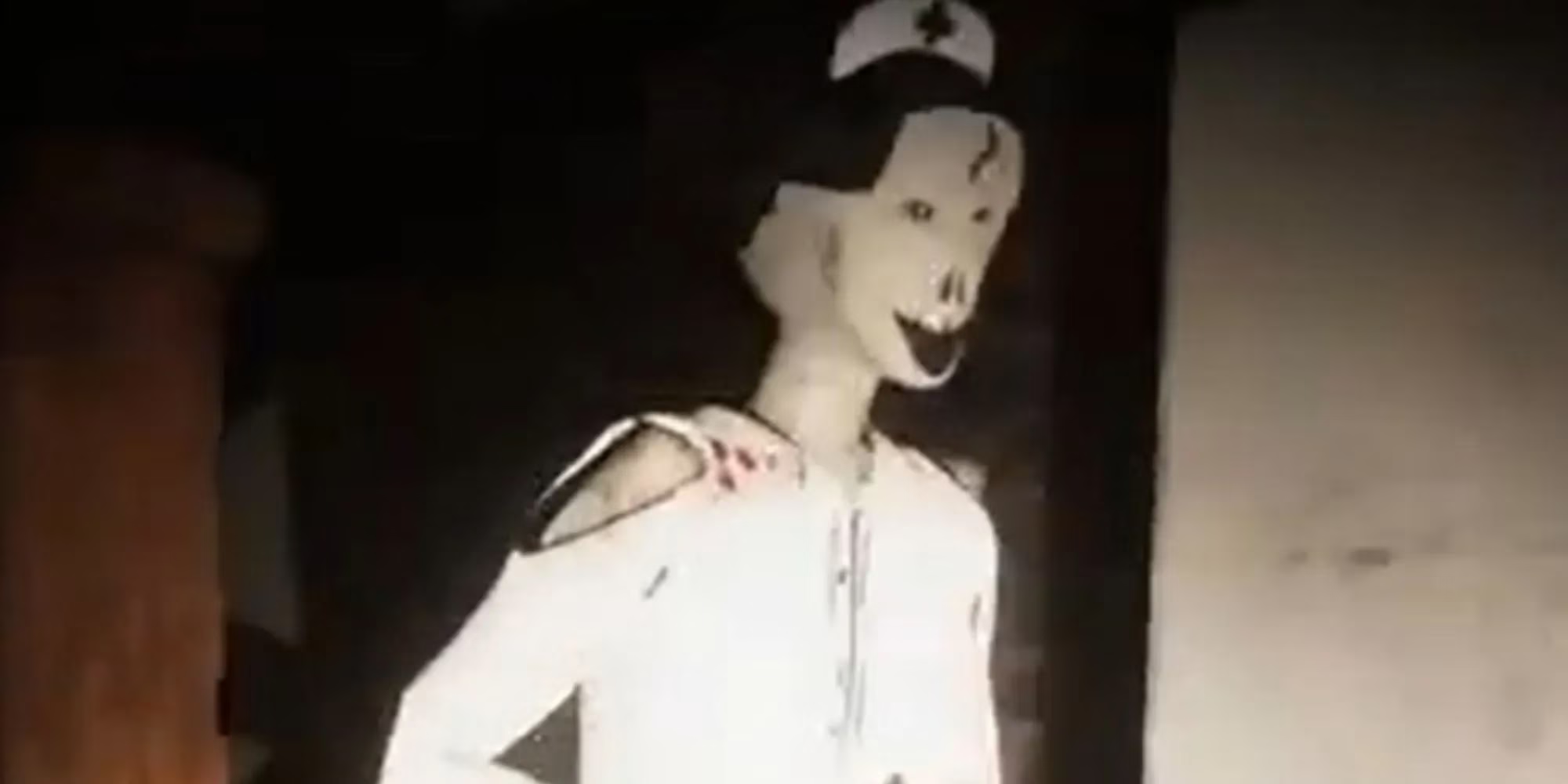
In AfterHours, a title far from a masterpiece, one nurse nonetheless carves her name into the annals of digital terror. The flat-faced nurse looks as if a child’s drawing of a caregiver has been flicked awake by a demonic wind—a paper doll marionette whose flattened skull and blood-flecked uniform radiate a wrongness that defies easy description. There is no expression, no eyes, only a smooth plane of skin where a face should be, like a surgical mask fused to bone. Her design is a creepypasta given motion, an embodiment of panic that renders the abandoned hospital’s narrow halls into claustrophobic death traps. Chased by this apparition, the player feels not like a patient but like a mistake that the universe is determined to correct.
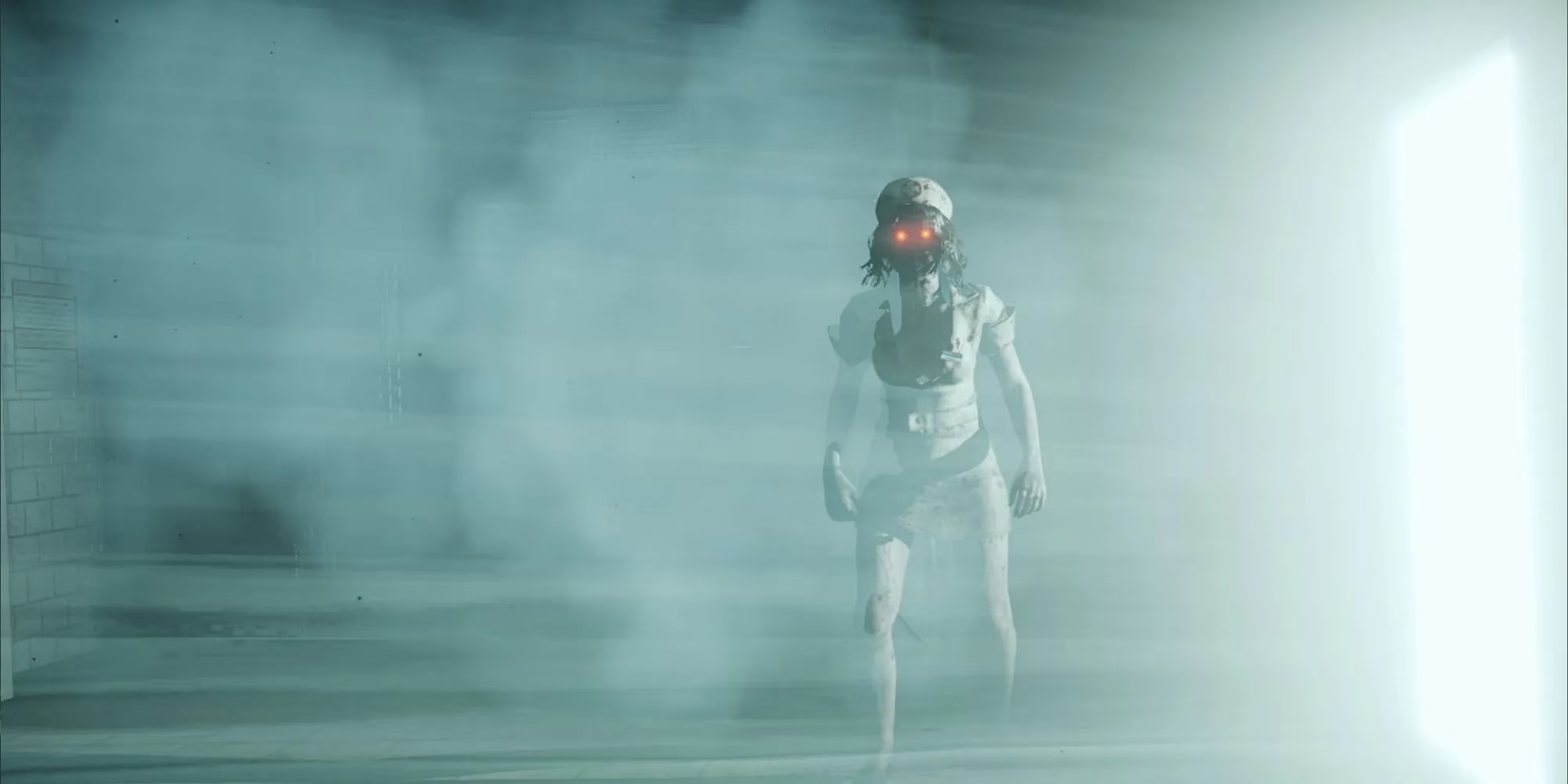
Virtual reality deepens the terror to an unbearable intimacy in Hospitality VR. Here the protagonist is wheelchair-bound, completely immobilized except for the desperate turn of the head. The nurse materializes from a curtain of fog, her eyes twin embers of malice, and then lunges without warning. This nurse is not a puzzle to solve or an enemy to outrun; she is a violation of space as immediate as a slap. In VR, the line between spectator and victim dissolves like a gauze pad in acid. The experience is less a game and more a mousetrap for the psyche, proving that sometimes the most terrifying monster is the one you can do absolutely nothing about.
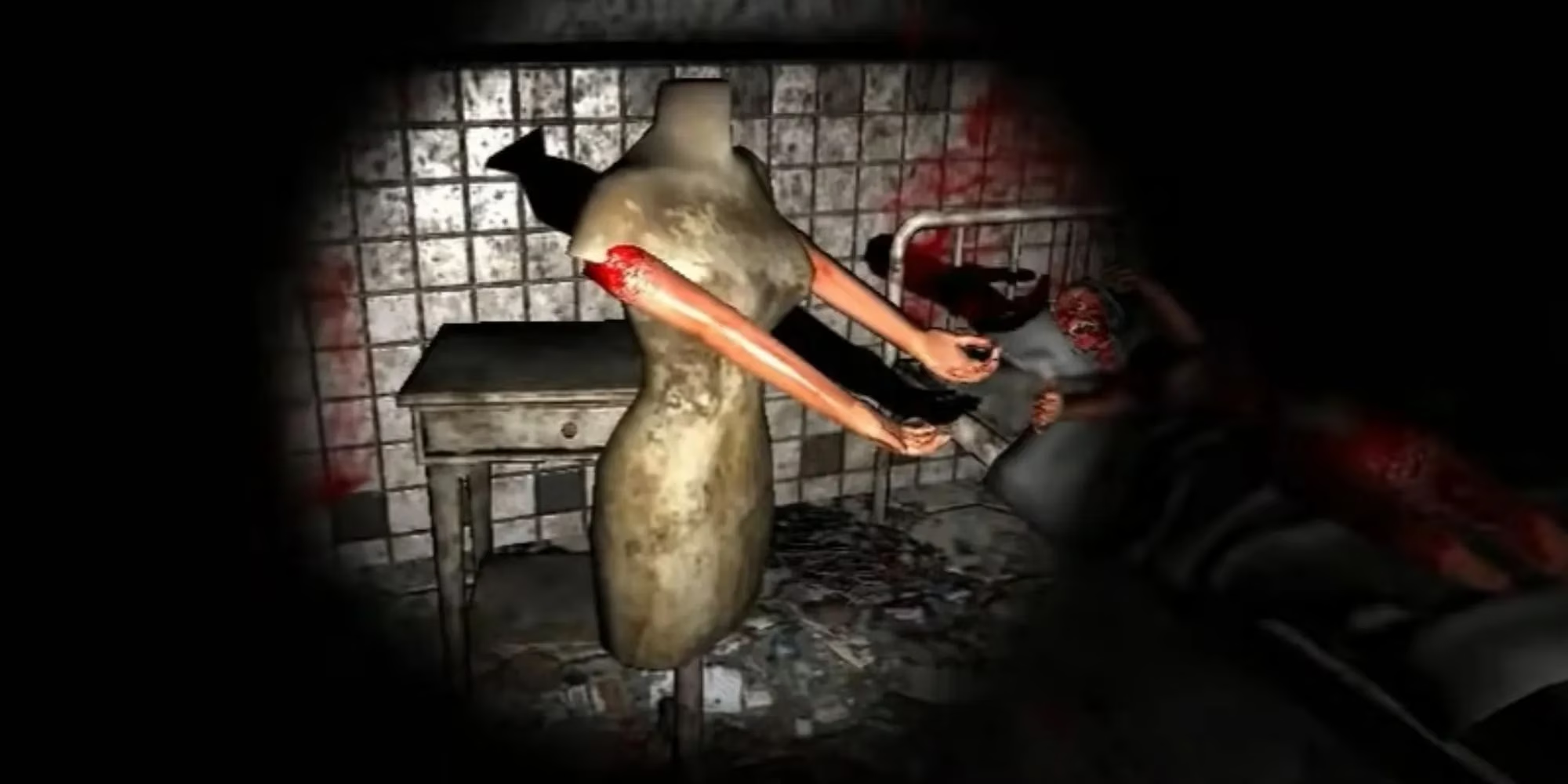
Some nurses trade physical pursuit for psychological scarring. In Life After Us: The System, the horror is frozen in a tableaux of grief. A mannequin stands at a bedside, arms cradling a newborn, while above it a bloody inscription reads “He took my baby.” The figure is less a character than a wound made tangible—a midwife stripped of her purpose and repurposed as a monument to loss. This nurse is like a morgue photograph that blinks in your peripheral vision, its stillness more disturbing than any shriek. The filth-smeared room and the corpse on the bed form a scene that brands itself onto the memory, a quiet, clinical apocalypse.
 .jpg)
.jpg)
Dark Deception introduces a breed of nurses that seem concocted from a fever dream: the Reaper Nurses. They glide on roller skates, heads wrapped in medical bags like grotesque bridal veils, wielding syringes the size of javelins. Their surface whimsy—the tinkling of wheels on polished floors, the lilting voices that invite conversation—serves only to springboard the player into a pit of panic when the charade drops. These nurses can vanish into thin air, hurl stun-locking pills, and impale the unwary. The horror here is one of betrayal, as if a beloved fairytale character suddenly unsheathed claws. Charming and lethal, the Reaper Nurses demonstrate that even a smile can bleed.
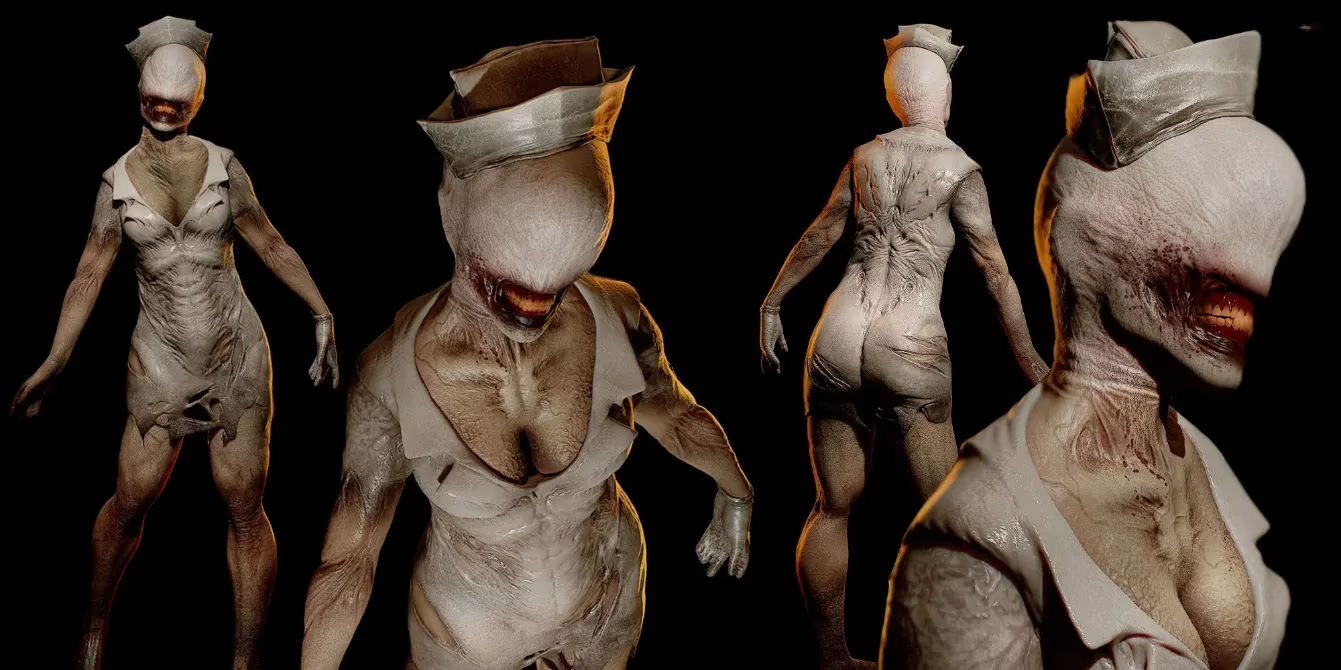
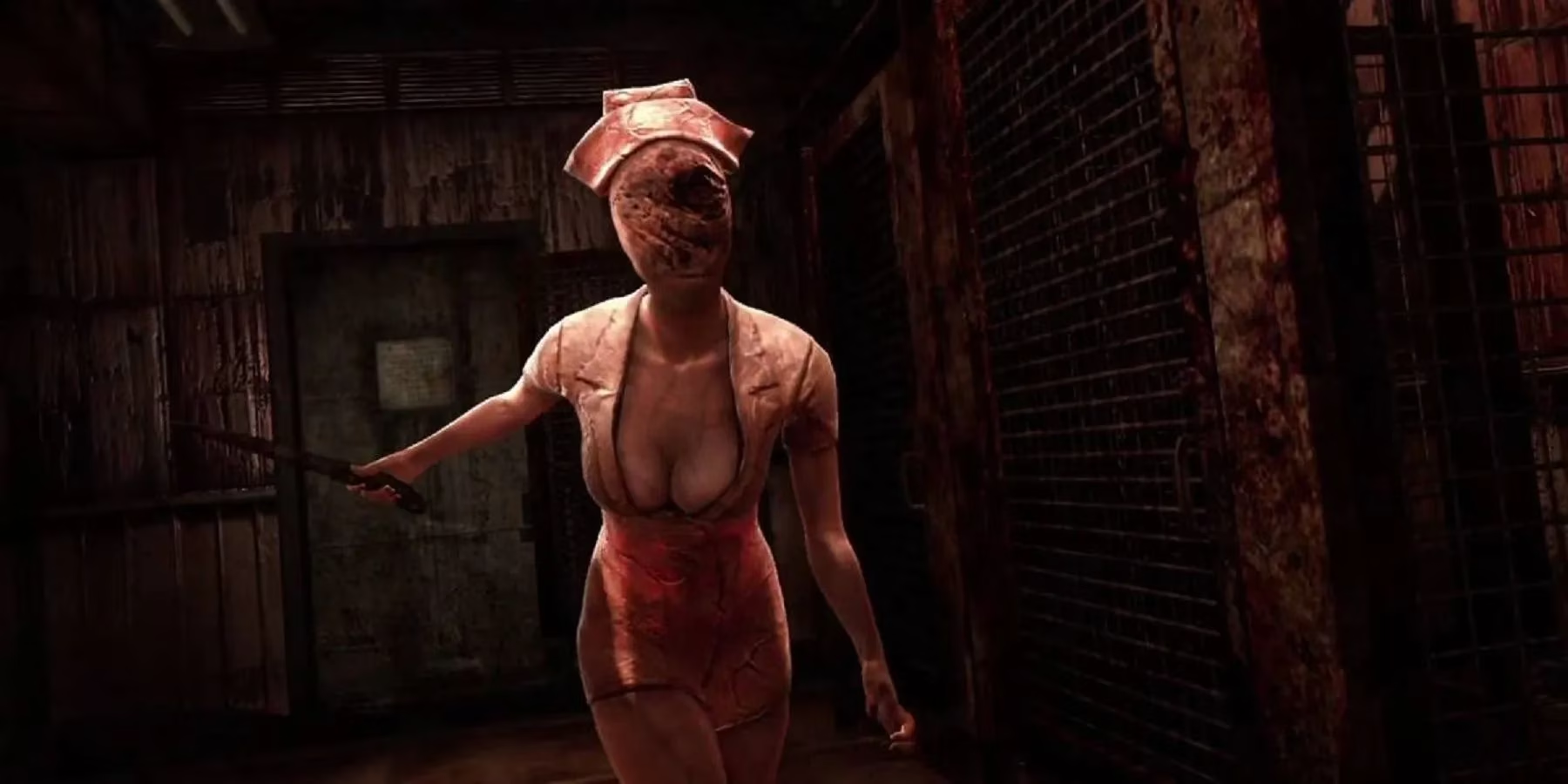
No catalog of terrifying nurses is complete without the Bubble Head Nurses of Silent Hill 2. These creatures convulse through the fog-drenched hallways like a swarm of medical instruments given sentience. Their smooth, eyeless skulls and lipless, blood-glossed grimaces transform female anatomy into a funhouse mirror of desire and death. The swaying walk, the suggestive slit of the uniform against splattered gore—every detail whispers of something that was once human and is now a marionette threaded with anguish. To encounter one is to feel the entire town of Silent Hill press its rotten fingers against your chest. Even in 2026, after remakes and countless homages, the Bubble Head Nurse remains one of gaming’s most potent symbols of corrupted intimacy.
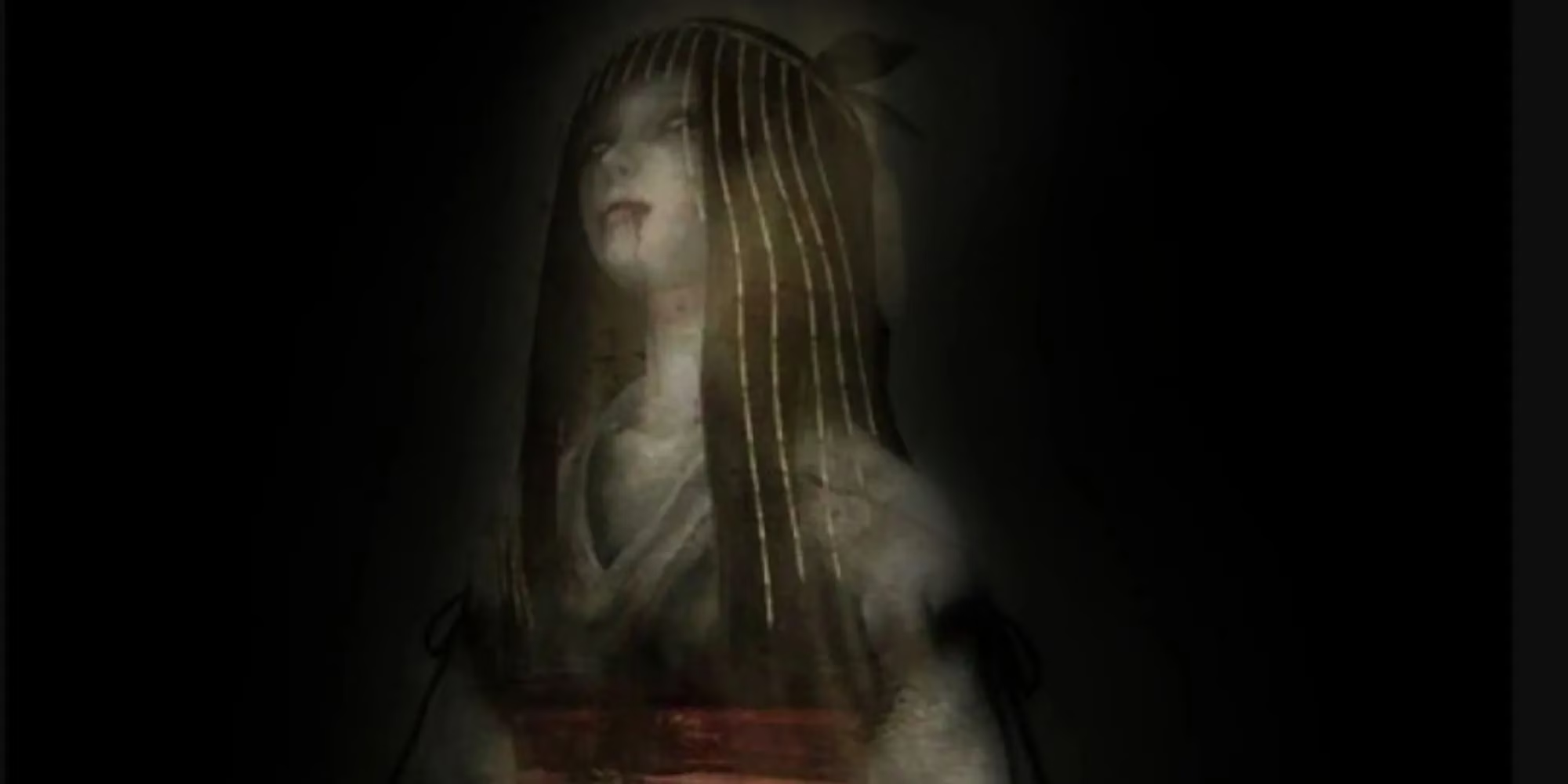
Not all nurses rely on gore; some excel at the quieter tremors of the soul. Tsubaki Tono of Fatal Frame IV: Mask of the Lunar Eclipse was a dedicated nurse at Rougetsu Hall whose death shrouded her in mystery. Returning as a hostile spirit, she embodies a sorrow so profound it curdles into menace. Her story, unearthed through ghostly photographs and journal fragments, reveals layers of tragedy that poison the very air around her. To raise the camera against Tsubaki is to confront not a monster but a memory corrupted, a healer trapped eternally in the moment she failed to save herself. She haunts not with claws but with the unbearable weight of what was lost.
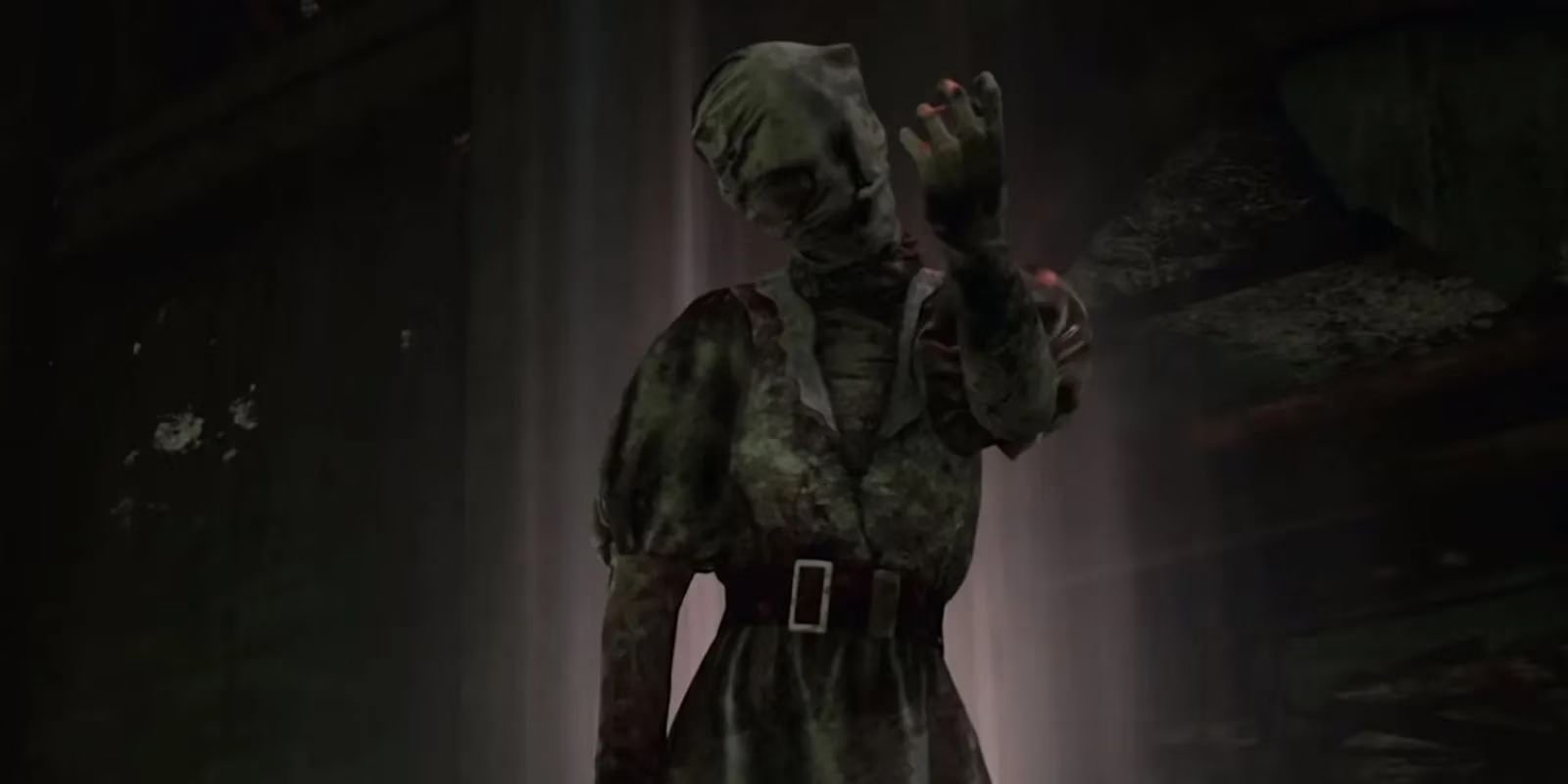
In Dead by Daylight, Sally Smithson—The Nurse—is a masterclass in mechanical and thematic terror. Once an asylum caretaker, she snapped and committed a massacre before being pulled into the Entity’s realm. Her ability to blink through walls and floors, heralded by a bone-deep scream, turns the map into a suffocating web. A skilled Nurse player becomes an apex predator, her gasps of effort and sighs of release forming a grim lullaby for the doomed. She doesn’t merely chase survivors; she unravels the very concept of safety, reminding everyone that even solid walls are merely a suggestion. The Nurse is the scalpel that dissects hope.
Across the Silent Hill series, nurses take myriad forms—puppet-like, faceless, staggering—each a warped reflection of the protagonist’s psyche. Whether in Alchemilla’s rusted wards or Brookhaven’s phantom-ridden corridors, these figures embody the universal dread of hospitals: the cold instruments, the masked faces, the helplessness. They jitter and twitch as if animated by erratic electrical pulses, and their very presence turns sterile rooms into altars of anxiety. In a way, the Silent Hill nurse is the archetype that all other horror game nurses must reckon with, a testament to the franchise’s unmatched ability to make the familiar bleed into nightmare.
Horror game nurses endure because they weaponize trust itself. They are the smile that hides a needle, the hand that offers a pill only to poison, the soothing voice that leads you into the dark. From the paper-faced stalker of AfterHours to the teleporting specter of Dead by Daylight, each iteration finds a new way to remind us that the line between healing and harming is terrifyingly thin. Like a surgeon’s scalpel carving fear directly into the psyche, they dissect our most basic assumptions and leave us trembling in the waiting room of our own dread. In 2026, these digital nightmares continue to thrive, proof that the hospital will always be horror’s most fertile ward.
Leave a Comment
Comments